
• KGS/USD = 0.01144 0%
  • KZT/USD = 0.00205 0%
  • TJS/USD = 0.10685 0%
  • UZS/USD = 0.00008 0%
  • TMT/USD = 0.28490 0%
  • KGS/USD = 0.01144 0%
  • KZT/USD = 0.00205 0%
  • TJS/USD = 0.10685 0%
  • UZS/USD = 0.00008 0%
  • TMT/USD = 0.28490 0%
  • KGS/USD = 0.01144 0%
  • KZT/USD = 0.00205 0%
  • TJS/USD = 0.10685 0%
  • UZS/USD = 0.00008 0%
  • TMT/USD = 0.28490 0%
  • KGS/USD = 0.01144 0%
  • KZT/USD = 0.00205 0%
  • TJS/USD = 0.10685 0%
  • UZS/USD = 0.00008 0%
  • TMT/USD = 0.28490 0%
  • KGS/USD = 0.01144 0%
  • KZT/USD = 0.00205 0%
  • TJS/USD = 0.10685 0%
  • UZS/USD = 0.00008 0%
  • TMT/USD = 0.28490 0%
  • KGS/USD = 0.01144 0%
  • KZT/USD = 0.00205 0%
  • TJS/USD = 0.10685 0%
  • UZS/USD = 0.00008 0%
  • TMT/USD = 0.28490 0%
  • KGS/USD = 0.01144 0%
  • KZT/USD = 0.00205 0%
  • TJS/USD = 0.10685 0%
  • UZS/USD = 0.00008 0%
  • TMT/USD = 0.28490 0%
  • KGS/USD = 0.01144 0%
  • KZT/USD = 0.00205 0%
  • TJS/USD = 0.10685 0%
  • UZS/USD = 0.00008 0%
  • TMT/USD = 0.28490 0%

Viewing results 1 - 6 of 2

ILO Reports Rise in Child Labor in Turkmenistan’s Cotton Fields

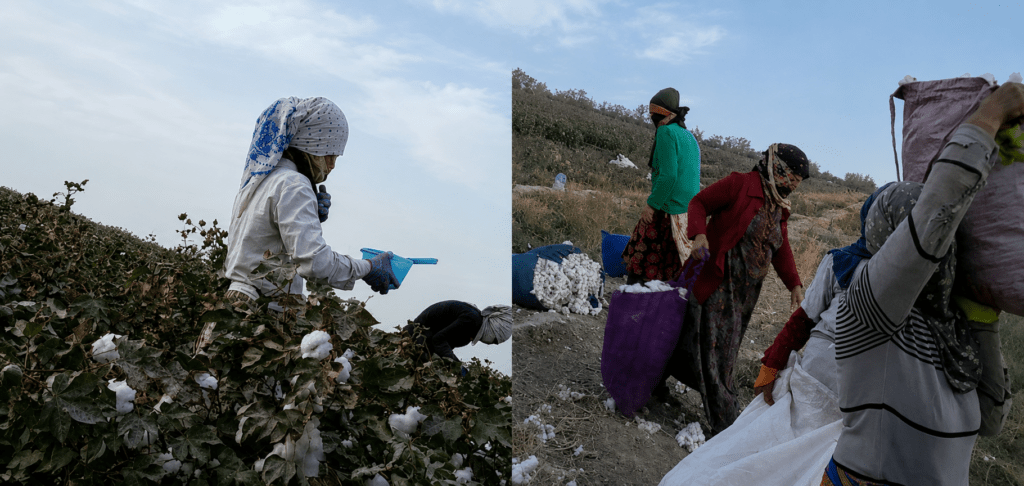
The International Labour Organization has reported a rise in child labor during Turkmenistan’s 2025 cotton harvest, despite improvements in some working conditions and continued cooperation with the government. The findings were published in the ILO’s second consecutive assessment of labor conditions during the country’s cotton campaign. The monitoring mission was conducted between August 28 and November 4, 2025, across all five regions of Turkmenistan. Observers interviewed 1,611 cotton pickers, 458 farmers, and 1,415 public-sector employees, as well as local officials and farm managers. Children were not interviewed for safety reasons, meaning conclusions regarding child labor were based on direct observations by monitors and testimony from adult respondents. One of the report’s most significant findings was a sharp increase in reports and observations of children in cotton fields. The share of cotton pickers reporting the presence of children in the fields rose to 20% in 2025 from 11% a year earlier. Among public-sector employees surveyed, the figure increased from 14% to 18%, while among farmers it rose from 17% to 34%. ILO monitors themselves encountered children during 38% of field visits, compared with 23% in the previous year’s assessment. The highest incidence was recorded in Dashoguz Region, where children were observed on 59% of surveyed fields. Comparable figures were 41% in Mary Region, 28% in Lebap Region and 25% in Ahal Region. The report also documented increased interference by local officials in monitoring activities. Attempts to influence inspections were recorded during 35% of field visits in 2025, up from 23% in 2024. Interference was also reported during 34% of inspections involving public institutions. In Dashoguz Region, officials were present during interviews with public-sector employees in 62% of cases, according to the report. The use of public-sector workers during the cotton harvest also continued. Twelve percent of surveyed government employees said they participated in cotton picking, while around one in five of those respondents said they had been sent to the fields by employers, officials, or farming associations. Fifteen percent of farmers reported seeing public-sector employees or military personnel working in the fields. The report found that concerns about negative consequences for refusing cotton work also increased. Fifteen percent of pickers reported fearing repercussions, compared with 12% a year earlier. Nearly one-quarter of surveyed public-sector employees expressed similar concerns. Respondents cited fears of losing social benefits, employment, income, or social standing within their communities. Meanwhile, the ILO reported improvements in several labor indicators. The share of workers earning below the official minimum wage fell from 29% to 13%, while average pay increased from 4.6 cents to 4.9 cents per kilogram of cotton harvested. Access to drinking water and food also improved. However, significant challenges remain. Only 7% of cotton pickers had written employment contracts, down from 22% in 2024. More than half of workers lacked at least one required piece of protective equipment, while 11% reported health problems during the harvest. The ILO noted that cooperation with the Turkmen government has resulted in some reforms, including amendments to the Labor Code that...


Forced and Child Labor Persist in Turkmen Cotton Harvest, UN Experts Say

The International Labour Organization (ILO), a United Nations agency focused on labor rights, has confirmed cases of forced labor involving public sector employees and children during Turkmenistan’s 2024 cotton harvest, despite a formal government ban introduced in July of that year. Public Sector Employees and Children Sent to the Fields According to the ILO’s findings, employees of state institutions, including kindergartens, schools, and hospitals, were mobilized for cotton picking alongside children. These violations occurred even after the official prohibition on such practices was enacted​. During a visit to Turkmenistan in autumn 2024, ILO experts found that around 20% of surveyed farmers admitted to employing public sector workers. This included both technical staff, such as cleaners, and professionals like nurses, doctors, and educators. Over one-third of public sector employees reported facing pressure from management to participate in the harvest, with threats of wage cuts or dismissal. The ILO categorized these practices as a form of “psychological coercion.” Minors in the Fields, Women Dominate the Labor Force Despite the legal ban on child labor, 14% of surveyed government workers and 11% of farmers confirmed the involvement of minors in cotton picking. The report links this to poor socio-economic conditions in rural areas, low-income levels, unemployment, and prevailing cultural expectations. Women accounted for over 90% of all cotton pickers in 2024. The average working day lasted 8.5 hours, often extending beyond that. Approximately 80% of pickers had no written employment contracts, exposing them to potential exploitation. Many reported being forced to accept whatever terms their employers offered. While in 2023 only 12% of pickers earned more than one Turkmen manat per kilogram of cotton, this figure rose to over 70% in 2024. Nevertheless, experts noted that pay remained unstable, with widespread delays and opaque compensation practices. Obstacles for Observers, Risk of Sanctions The ILO conducted monitoring at 472 cotton plantations across Turkmenistan, interviewing 1,762 pickers, 472 farmers, and 2,500 public officials. However, the report notes that in some instances, officials and farmers attempted to obstruct monitoring efforts, interfering with observers and misrepresenting facts. While the ILO acknowledged government efforts to ban child labor and reduce coercion, it warned that the absence of effective oversight mechanisms continues to enable violations. “Risks remain, especially when there are threats of dismissal or fines for refusing to go into the field,” the report states. International Repercussions Loom Under newly adopted European Union regulations banning imports of goods produced using forced labor, Turkmen cotton exports could face restrictions. In November 2024, EU officials discussed a potential ban on imports of Turkmen cotton for this reason. The ILO report underscores that sustainable reform is only achievable through transparent oversight, full respect for human rights, and the complete elimination of coercive labor practices for both adults and children.