The International Labour Organization has reported a rise in child labor during Turkmenistan’s 2025 cotton harvest, despite improvements in some working conditions and continued cooperation with the government. The findings were published in the ILO’s second consecutive assessment of labor conditions during the country’s cotton campaign.
The monitoring mission was conducted between August 28 and November 4, 2025, across all five regions of Turkmenistan. Observers interviewed 1,611 cotton pickers, 458 farmers, and 1,415 public-sector employees, as well as local officials and farm managers.
Children were not interviewed for safety reasons, meaning conclusions regarding child labor were based on direct observations by monitors and testimony from adult respondents.
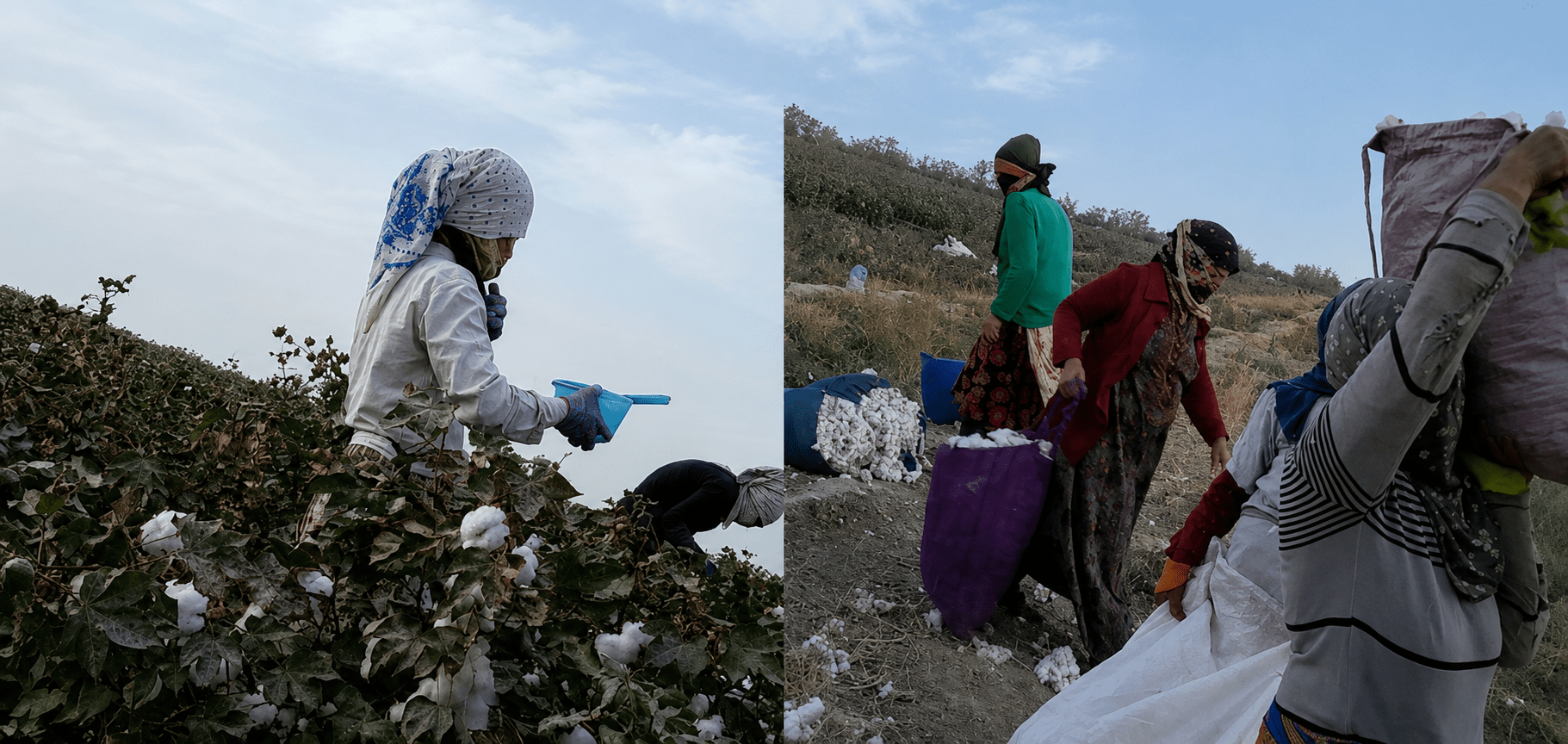
One of the report’s most significant findings was a sharp increase in reports and observations of children in cotton fields. The share of cotton pickers reporting the presence of children in the fields rose to 20% in 2025 from 11% a year earlier.
Among public-sector employees surveyed, the figure increased from 14% to 18%, while among farmers it rose from 17% to 34%. ILO monitors themselves encountered children during 38% of field visits, compared with 23% in the previous year’s assessment.
The highest incidence was recorded in Dashoguz Region, where children were observed on 59% of surveyed fields. Comparable figures were 41% in Mary Region, 28% in Lebap Region and 25% in Ahal Region.
The report also documented increased interference by local officials in monitoring activities. Attempts to influence inspections were recorded during 35% of field visits in 2025, up from 23% in 2024. Interference was also reported during 34% of inspections involving public institutions.
In Dashoguz Region, officials were present during interviews with public-sector employees in 62% of cases, according to the report.
The use of public-sector workers during the cotton harvest also continued. Twelve percent of surveyed government employees said they participated in cotton picking, while around one in five of those respondents said they had been sent to the fields by employers, officials, or farming associations.
Fifteen percent of farmers reported seeing public-sector employees or military personnel working in the fields. The report found that concerns about negative consequences for refusing cotton work also increased. Fifteen percent of pickers reported fearing repercussions, compared with 12% a year earlier. Nearly one-quarter of surveyed public-sector employees expressed similar concerns.
Respondents cited fears of losing social benefits, employment, income, or social standing within their communities.
Meanwhile, the ILO reported improvements in several labor indicators. The share of workers earning below the official minimum wage fell from 29% to 13%, while average pay increased from 4.6 cents to 4.9 cents per kilogram of cotton harvested. Access to drinking water and food also improved.
However, significant challenges remain. Only 7% of cotton pickers had written employment contracts, down from 22% in 2024. More than half of workers lacked at least one required piece of protective equipment, while 11% reported health problems during the harvest.
The ILO noted that cooperation with the Turkmen government has resulted in some reforms, including amendments to the Labor Code that removed several exemptions from prohibitions on forced labor.
The ILO cautioned that the findings identify trends in monitored areas and should not be read as a nationwide estimate.
A joint roadmap between the government and the ILO, originally covering 2024-2025, has been extended through 2026. Priorities include further legal reforms, research into the causes of child labor, improvements in wage incentives, and efforts to address structural pressures affecting the cotton sector.