• KGS/USD = 0.01144 0%
  • KZT/USD = 0.00213 0%
  • TJS/USD = 0.10560 0%
  • UZS/USD = 0.00008 0%
  • TMT/USD = 0.28530 0%
  • KGS/USD = 0.01144 0%
  • KZT/USD = 0.00213 0%
  • TJS/USD = 0.10560 0%
  • UZS/USD = 0.00008 0%
  • TMT/USD = 0.28530 0%
  • KGS/USD = 0.01144 0%
  • KZT/USD = 0.00213 0%
  • TJS/USD = 0.10560 0%
  • UZS/USD = 0.00008 0%
  • TMT/USD = 0.28530 0%
  • KGS/USD = 0.01144 0%
  • KZT/USD = 0.00213 0%
  • TJS/USD = 0.10560 0%
  • UZS/USD = 0.00008 0%
  • TMT/USD = 0.28530 0%
  • KGS/USD = 0.01144 0%
  • KZT/USD = 0.00213 0%
  • TJS/USD = 0.10560 0%
  • UZS/USD = 0.00008 0%
  • TMT/USD = 0.28530 0%
  • KGS/USD = 0.01144 0%
  • KZT/USD = 0.00213 0%
  • TJS/USD = 0.10560 0%
  • UZS/USD = 0.00008 0%
  • TMT/USD = 0.28530 0%
  • KGS/USD = 0.01144 0%
  • KZT/USD = 0.00213 0%
  • TJS/USD = 0.10560 0%
  • UZS/USD = 0.00008 0%
  • TMT/USD = 0.28530 0%
  • KGS/USD = 0.01144 0%
  • KZT/USD = 0.00213 0%
  • TJS/USD = 0.10560 0%
  • UZS/USD = 0.00008 0%
  • TMT/USD = 0.28530 0%

Viewing results 1 - 6 of 47

World Bank: Poverty Falls in Kazakhstan, but Inequality and Child Poverty Persist

The World Bank has released a comprehensive report on poverty in Kazakhstan, analyzing trends from 2006 to 2021. Presented to journalists in Almaty, the report paints a detailed picture of the country's evolving socio-economic landscape. Defining Poverty Poverty is broadly defined as the inability to meet basic human needs, including food, clothing, clean water, sanitation, education, and healthcare. One standard measure is the subsistence minimum set by the government. As of 2021, the international poverty line was $3 per person per day in low-income countries. For upper-middle-income economies like Kazakhstan, the threshold was set at $8.30 per day. [caption id="attachment_33210" align="alignnone" width="300"] @pip.worldbank.org[/caption] From Poverty to the Middle Class Over 15 years, Kazakhstan witnessed substantial economic growth. Per capita consumption doubled, and GDP per capita rose from 548,900 to 791,300 tenge (KZT). An estimated six million people were lifted out of poverty, and the country advanced into the category of upper-middle-income economies. The World Bank identifies three distinct phases of development: 2006-2013 - Growth: Economic expansion and proactive social policies reduced poverty from 49.5% to 11.1% 2014-2016 - Crisis: A sharp decline in oil prices and the devaluation of the tenge saw poverty spike to 20.2% 2016-2021 - Stabilization: Economic recovery brought the poverty rate down to 8.5% [caption id="attachment_33211" align="alignnone" width="300"] @worldbank.org[/caption] A Rising Middle Class Between 2006 and 2021, the share of Kazakhstan’s population considered middle class increased from 26 percent to 67 percent. The World Bank defines the middle class as individuals who are neither poor nor economically vulnerable. This growth was driven by rising incomes, pensions, and social assistance programs. However, progress began to slow after 2013 due to ongoing structural challenges, low productivity, dependence on extractive industries, and a weak private sector. Child Poverty: An Alarming Trend National gains have not eliminated regional disparities. In the Turkistan region, poverty rose from 14.4 percent in 2006 to 24 percent in 2021. [caption id="attachment_33212" align="alignnone" width="300"] @worldbank.org[/caption] Demographic shifts in poverty are also concerning. The poor are increasingly younger, less educated, and from large families. Child poverty is especially acute: 13% of children live below the poverty line, comprising 40% of the country's poor. In other words, every eighth child in Kazakhstan is living in poverty. [caption id="attachment_33213" align="alignnone" width="300"] @worldbank.org[/caption] Consumption and Inequality Rising consumption, measured via purchasing power parity (PPP), has been the main driver of poverty reduction. Indicators like the Big Mac Index offer accessible insights into shifts in purchasing power. Growth in incomes, pensions, and the small and medium-sized enterprise (SME) sector also contributed, while emergency government support during the COVID-19 pandemic helped avert a sharp decline in living standards. Nevertheless, inequality is on the rise. Since 2016, the Gini Index has shown a growing gap. The wealthiest 10% of Kazakhstanis now spend three times more than the poorest 10%. While this inequality remains moderate by global standards, the upward trend is cause for concern. [caption id="attachment_33214" align="alignnone" width="300"] @worldbank.org[/caption] Looking Ahead World Bank analysts acknowledge Kazakhstan’s progress in reducing poverty. However, they...

UK Organization to Launch Social-Emotional Education Programs for Uzbek Children

The UK-based non-profit organization Think Equal is preparing to launch social-emotional education programs for young children in Uzbekistan, according to a report from the Dunyo Information Agency. The initiative was announced following a meeting at the Uzbek Embassy with Think Equal founder and executive director, Leslee Udwin. During the discussion, Udwin presented the organization’s educational model, which is designed to foster empathy, emotional literacy, self-regulation, critical thinking, and peaceful conflict resolution skills in early childhood. The program targets children aged 3 to 6 and is already in use in several countries, including India, Kenya, Canada, Australia, South Africa, Mexico, Singapore, and the United Kingdom. The 30-week curriculum features three 30-minute lessons per week and employs illustrated books, activity guides, and interactive games to teach emotional and relational skills. At the conclusion of the meeting, attendees expressed support for holding a follow-up session with Uzbekistan’s Ministry of Preschool and School Education to explore a potential partnership. Regional Focus on Child Wellbeing The announcement comes amid broader efforts to improve child welfare across Central Asia. Last month, the “Dialogue for Children: Central Asia and UNICEF” conference in Tashkent spotlighted regional cooperation in pediatric care. Health ministers from Kazakhstan and Uzbekistan discussed initiatives to expand collaboration, with Kazakhstan proposing the establishment of an international academic hub for childhood cancer treatment and announcing the opening of a new Proton Therapy Center in Astana. The facility is expected to treat up to 800 patients annually and will be accessible to children from Uzbekistan, including those from the autonomous Republic of Karakalpakstan.

Kazakh MP Calls for Restrictions on Children’s Access to TikTok

Kazakh MP Murat Abenov has proposed limiting children's access to TikTok, citing concerns over its negative effects on young users’ mental health. He warned that the platform could contribute to depression, reduced concentration, and memory problems, urging parents to monitor their children’s screen time​. Abenov referenced a case described by journalist Gulmira Abykay on her Facebook page, where a seven-year-old girl reportedly stopped recognizing her loved ones after excessive exposure to TikTok content​. He emphasized that such concerns are backed by research, as TikTok’s algorithm is designed to maximize user engagement by presenting emotionally stimulating or even distressing videos. The MP pointed out that TikTok has already faced regulatory scrutiny in the United States, where efforts have been made to ban it, and in Europe, where restrictions on data collection from minors have been imposed. He argued that Kazakhstan should also consider introducing regulations for such platforms. “TikTok is structured in a way that delivers an emotional surge every 15 seconds, whether admiration, fear, anxiety, or sadness. Studies show that frequent TikTok users are more prone to depression, struggle with academic performance, and face challenges in processing large amounts of information and logical thinking,” Abenov stated​. While many countries have imposed restrictions on TikTok, the platform remains widely accessible in Kazakhstan, Tajikistan, and Mongolia​. However, TikTok has recently taken steps to enhance child protection, expanding its Family Settings feature. This allows parents to set time limits for app use, including restrictions after 10p.m. and during school hours​.

Kazakhstan to Require Parents to Purchase Special SIM Cards for Children

Kazakhstan plans to introduce special SIM cards for children, limiting their access to the internet. Deputy Minister of Education Yedil Ospan announced the initiative on March 12, stating that discussions are ongoing with authorized government agencies as part of a comprehensive plan.  “We assume that operators should issue special SIM cards intended for use by children. That is, a parent will be obliged to buy these very SIM cards for their children,” Ospan said. According to him, these SIM cards will include built-in security filters restricting access to inappropriate content, including certain websites and social networks. Parents will also be able to monitor their child’s phone usage and track their location through a dedicated application. Ospan emphasized that while Kazakhstan already offers children’s mobile plans with access to educational resources, they do not provide full control over internet safety. The new initiative aims to enhance digital protection for minors. Research from Kazakhstan Kids Online indicates that official access to digital platforms is permitted from age 13. However, 60% of children aged 9-10 and 66% of those aged 11-12 already have personal internet accounts. In response, the Ministry of Education, in collaboration with experts, is developing legislative amendments to strengthen internet safety measures for children. The introduction of child-specific SIM cards is part of broader efforts to regulate mobile communications in Kazakhstan. The Ministry of Digital Development has also proposed limiting individuals to a maximum of 10 SIM cards, although this measure remains under discussion. 

Kindergarten in Uzbekistan Stages Dangerous Show with Poisonous Cobras

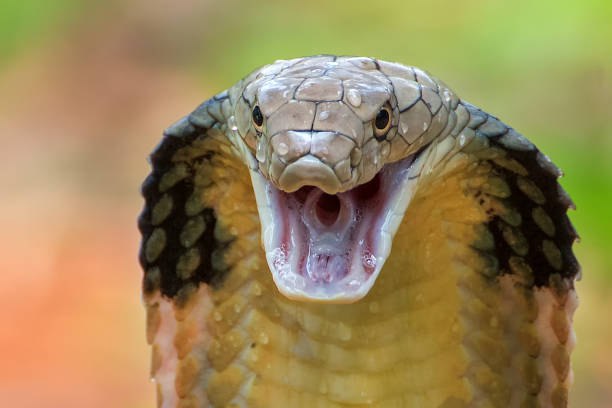
A kindergarten in Uzbekistan sparked widespread outrage after staging a performance involving poisonous Central Asian cobras, a species listed in the Red Book of Uzbekistan's endangered plant and animals. Footage of the event, which was shared on social media, showed the snakes being handled in close proximity to children, raising serious concerns about safety and animal welfare. In the video, a man can be seen demonstrating two venomous snakes to a group of young children, with no apparent safety measures in place. The cobras were allowed to move freely on the floor near the children. The Uzbek language heard in the recording confirms the location as Uzbekistan, but the exact location of the kindergarten has yet to be identified. The incident has prompted public outcry, with many questioning the judgment of the organizers and the lack of safeguards for the children. So far, the Ministry of Preschool and School Education has refrained from issuing an official statement. The situation has caught the attention of the Children's Ombudsman in Uzbekistan. The Ombudsman’s press service announced that law enforcement agencies are actively working to determine the circumstances and location of the performance, as well as the identities of those responsible. A full investigation is underway, and the organizers’ actions will be subject to legal assessment once the inquiry is complete. This is not the first time unauthorized animal performances have taken place in Uzbekistan. In December of last year, a similar case was reported in the Koshrabad district of the Samarkand region. Two individuals held unauthorized shows at schools and kindergartens, featuring a tiger python. The snake was later confiscated and handed over to the regional department of ecology. These incidents highlight a recurring issue of unregulated animal performance in educational institutions, raising questions about safety, legal oversight, and the ethical treatment of wildlife.

Spiritual Administration of Muslims of Kazakhstan Issues Statement on Quadroberism

The Spiritual Administration of Muslims of Kazakhstan (DUMK) has expressed concern over the growing spread of "quadroberism" among children and adolescents. This phenomenon involves individuals imitating the habits of animals by wearing masks, tails, and ears, as well as behaving like fictional creatures. The DUMK addressed the issue in a recent statement. In its statement, the DUMK emphasized that Islam places humans above all other creatures, granting them reason and consciousness. To support this position, the administration cited verses from the Holy Quran: “We have honored the descendants of Adam, allowed them to move on land and sea, endowed them with benefits, and granted them a great advantage over the many whom We created.” Another verse states: “We created man in the best possible image.” The DUMK argues that the deliberate imitation of animals - including their habits, sounds, and behaviors - constitutes a distortion of divine creation. It further noted that Islam forbids any form of behavior that undermines the distinct identity of humans. For example, the imitation of one gender by another is prohibited, and, by extension, imitating animals is considered equally inadmissible under Shariah. Cultural Expressions vs. Quadroberism However, the DUMK drew a clear distinction between quadroberism and metaphorical comparisons or cultural expressions. The statement clarified that comparing humans to animals in a metaphorical sense - such as likening bravery to a lion, cunning to a fox, or patience to a camel - does not fall under the definition of quadroberism. Similarly, theater performances, children’s games, and other cultural activities that do not involve a change in personal identity are not condemned. The DUMK underscored that quadroberism, which includes imitating animal sounds, moving on all fours, and adopting animal behaviors, is "strictly prohibited by Shariah." Additionally, it addressed the trend of “quadrobics,” a form of exercise that involves running on all fours to imitate animals. This activity, derived from the combination of the words "quadro" (four) and "aerobics," was described as a concerning trend among youth. Quadroberism in Central Asia and Beyond The quadrober subculture, which involves young people mimicking animal behavior by running on all fours and using animal-themed accessories, has gained traction not only in Kazakhstan, but also in neighboring Uzbekistan and Russia. Authorities in these countries are taking measures to address the phenomenon. In Kazakhstan, deputies have proposed conducting a thorough study of the quadrober phenomenon and, if deemed necessary, developing legislation to combat it. In Uzbekistan, the Ministry of Internal Affairs announced that manifestations of the quadrober subculture among children and adolescents would be treated as a failure of parental responsibility, punishable by a fine of five basic calculation units. In Russia, State Duma deputies are drafting legislation to ban the promotion of destructive ideologies, including quadroberism. Russian lawmakers and psychologists have voiced concerns that the hobby could negatively affect children’s mental health. As the debate continues across the region, the DUMK’s statement adds a spiritual perspective to the growing conversation about the implications of quadroberism.