• KGS/USD = 0.01144 0%
  • KZT/USD = 0.00215 0%
  • TJS/USD = 0.10639 0.76%
  • UZS/USD = 0.00008 0%
  • TMT/USD = 0.28530 0%
  • KGS/USD = 0.01144 0%
  • KZT/USD = 0.00215 0%
  • TJS/USD = 0.10639 0.76%
  • UZS/USD = 0.00008 0%
  • TMT/USD = 0.28530 0%
  • KGS/USD = 0.01144 0%
  • KZT/USD = 0.00215 0%
  • TJS/USD = 0.10639 0.76%
  • UZS/USD = 0.00008 0%
  • TMT/USD = 0.28530 0%
  • KGS/USD = 0.01144 0%
  • KZT/USD = 0.00215 0%
  • TJS/USD = 0.10639 0.76%
  • UZS/USD = 0.00008 0%
  • TMT/USD = 0.28530 0%
  • KGS/USD = 0.01144 0%
  • KZT/USD = 0.00215 0%
  • TJS/USD = 0.10639 0.76%
  • UZS/USD = 0.00008 0%
  • TMT/USD = 0.28530 0%
  • KGS/USD = 0.01144 0%
  • KZT/USD = 0.00215 0%
  • TJS/USD = 0.10639 0.76%
  • UZS/USD = 0.00008 0%
  • TMT/USD = 0.28530 0%
  • KGS/USD = 0.01144 0%
  • KZT/USD = 0.00215 0%
  • TJS/USD = 0.10639 0.76%
  • UZS/USD = 0.00008 0%
  • TMT/USD = 0.28530 0%
  • KGS/USD = 0.01144 0%
  • KZT/USD = 0.00215 0%
  • TJS/USD = 0.10639 0.76%
  • UZS/USD = 0.00008 0%
  • TMT/USD = 0.28530 0%

Viewing results 1 - 6 of 47

Pupil’s Hand Stabbed by Teacher in Uzbekistan

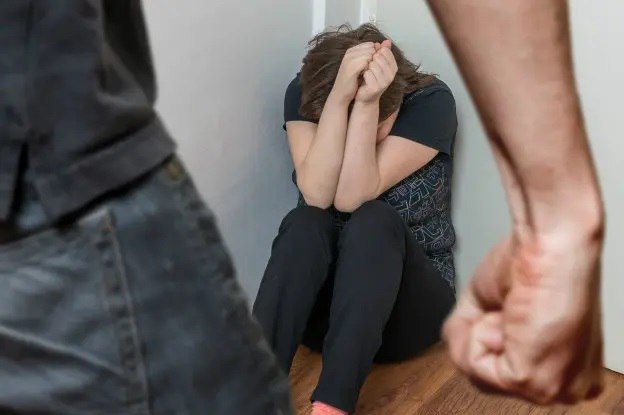
The publication “Bolalar dunyosi” (“Children’s world”) reports that in one of the schools in the Andijan region of Uzbekistan, a teacher punished a 1st grader by stabbing a needle in her hand and locked the classroom door to prevent the pupil from visiting the toilet. In response, the girl's father filed a complaint with the Internal Affairs Department, accusing the teacher of applying psychological pressure. He explained that his daughter had missed an additional lesson after class, which cost 50,000 UZS (approximately $3.90). The Children’s Ombudsman of Uzbekistan, Surayyo Rahmonova, stated that following an examination of the girl's injury, the issue had been resolved. The case comes in the wake of  a previous report by The Times of Central Asia  concerning a Tashkent teacher who slapped a student for asking for the Russian language class to be taught in Russian; an event which caused broad public debate in Uzbekistan and a reaction from Russian politicians.

Uzbekistan to Fine Parents of Quadrobers

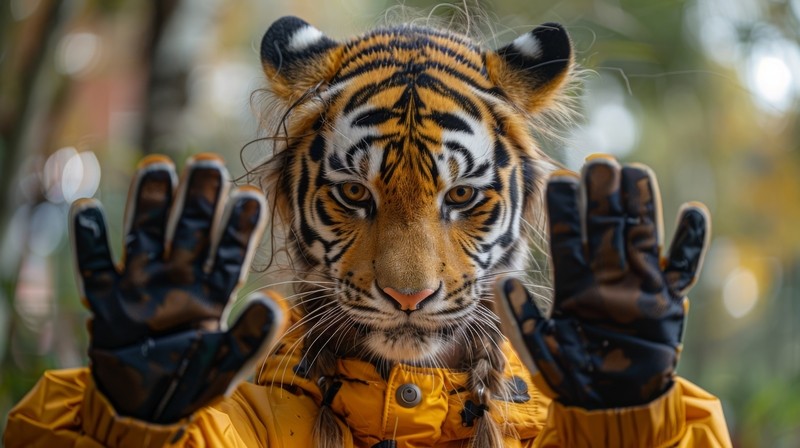
Parents in Uzbekistan have been threatened with fines for the inappropriate behavior of their children who belong to the quadrobika subculture. The Interior Ministry said failure to comply with parental duties will be punishable as parents are responsible for educating their children to respect social norms and preventing inappropriate behavior. The quadrobika subculture, which has emerged among young people, involves using masks and accessories to imitate animals and their habits. This movement has already been noticed in Kazakhstan, Russia, and Ukraine, and recently, cases of such behavior have been registered in Tashkent. On October 10, a teenager wearing an animal mask frightened people, and the next day, a quadrober imitating a dog attacked a person and frightened children. Specialists warn that such behavior can harm the mental health of minors, affect their social integration, and even lead to aggression. In this regard, the authorities are pressing home parents' legal obligations to ensure their children's upbringing and education under the Constitution and the Education Act of Uzbekistan. Violating these duties carries a fine of up to five times the basic calculation unit (up to 1.875 million UZS ($147). The Interior Ministry has urged parents to take care of their children's all-round development, reacting in time to the emergence of dangerous sub-cultural phenomena. If necessary, a psychological examination of children may be conducted to determine the impact of quadrobics on their emotional health. In Russia, the issue of administrative responsibility of parents who fail to oversee the upbringing of their children who are addicted to quadrobics has also been raised. The problem has not yet been resolved, a the request to the State Duma has been submitted calling for fines and criminal liability violations. In addition, Gennady Shkil, a priest of the Russian Orthodox Church, suggested in a sermon that mothers and fathers of quadrobers should be deprived of parental rights. Shkil believes that such “tough measures” are necessary as it is “for the salvation of mankind.”

Children’s Blood Lead Levels in Kyrgyzstan to be Investigated

Kyrgyzstan has started preparing for its first comprehensive study on blood lead levels in children between the ages of 1 and 6. This project is being implemented by the National Institute of Public Health, the National Center for Health Promotion and Mass Communication, and with the support of the Ministry of Health and the Department of Disease Prevention. The study will focus on three key areas. First, an information and education campaign to raise awareness among parents and healthcare providers about the risks of lead poisoning will be launched. Second, the prevalence of lead in children will be assessed to determine the extent of the problem. Third, the study will address environmental analysis to identify sources of lead contamination. Exposure to lead is hazardous for children, as this toxic metal can cause serious health problems even at low levels of exposure. Lead affects brain development, leading to decreased cognitive function, developmental delays, behavioral issues, impaired learning, and reduced concentration ability. Children exposed to lead can also develop kidney and blood pressure problems. On September 26-27, in preparation for the project, specialists from the Health Promotion Cabinets attended a communications training where they studied theoretical and practical aspects of the impact of lead on the body, methods of prevention, and the importance of public awareness. The problem of lead contamination in Kyrgyzstan is still understudied despite many sources of contamination, including tailing ponds, old batteries, and cottage industries. The study is being conducted within the framework of the project “Reducing the Risk of Lead Poisoning in Children” and was made possible through the cooperation of Kyrgyzstan's Ministry of Health, the Pure Earth project, and the public association “ECOIS-Bishkek.” The results of this study will become the basis for the development of targeted programs aimed at minimizing the impact of lead on children's health.

Air Pollution Linked to One in Five Infant Deaths in Central Asia

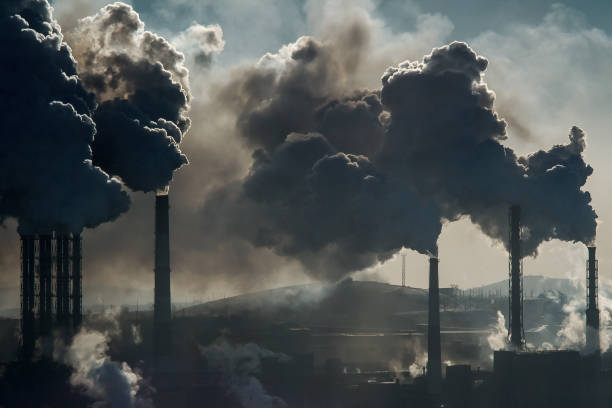
According to a report  by UNICEF, an estimated 6,441 children and teenagers died from causes attributable to air pollution in 23 countries across Europe and Central Asia in 2021. Statistics show that 85% of the children died in the first year of their lives, and one in five infant deaths were linked to air pollution. As stated in the report, “Most deaths were attributed to ambient and household fine particulate matter air pollution (PM2.5). And all of these deaths were preventable." In 2021, the region's children and teenagers lost more than 580,000 years of healthy life (DALYs) as a result of premature death and disability caused by air pollution. Compared to other environmental factors, including high temperatures, unsafe water, and poor sanitation,  polluted air has been found, by far, the most life-threatening. Exposure to PM2.5 air pollution is also associated with higher rates of miscarriage, early fetal loss, preterm birth, and low birth weight and in pregnant women, increases the risk of gestational diabetes, high blood pressure, and postpartum depression. By restricting fetal growth, air pollution can significantly increase the risk of disease, heart defects, pneumonia, asthma, eczema, allergies, and high blood pressure.   Even before birth, air pollution can harms a child’s lungs, brain, and organs, affecting cognitive development and raising the risk of respiratory diseases throughout the child's life. Since children breathe more air relative to their body weight, they absorb more pollutants than adults, and for this reason, newborns are especially vulnerable to pneumonia, a leading cause of infant death. Air pollution in Europe and Central Asia, especially from PM2.5 and PM10 particles, is mainly caused by the use of fossil fuels in homes, businesses, and institutions. Coal is especially harmful to children’s health. Energy sources vary between and within countries depending on power supplies and infrastructure. High levels of air pollution from the use of coal for residential heating in winter, coupled with the interaction of ambient air pollution with indoor air pollution in homes, schools, health care facilities, etc., are cited by UNICEF as the primary sources of exposure for children. UNICEF notes the importance of the region's governments and institutions focusing more attention and resources to air pollution prevention, energy efficiency, clean energy use, supporting clean air measures, and protecting children from exposure. The organization also emphasizes the need to develop air quality warning systems and corresponding action plans for schools and kindergartens in Europe and Central Asia. Last but not least, as a measure to improve air quality, UNICEF recommends enhancing data collection to better understand local pollution, campaigns promoting clean energy and energy efficiency in homes, and a strict smoking bans in indoor public spaces. High levels of air pollution observed in Central Asian countries is ongoing and the subject of several articles previously covered by The Times of Central Asia.

Lessons in Self-Defense for Kindergarten Kazakhs

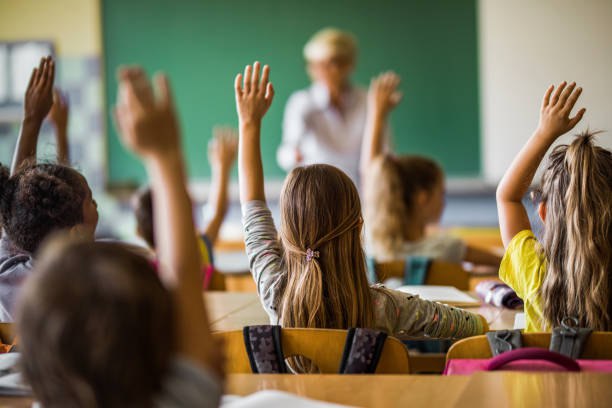
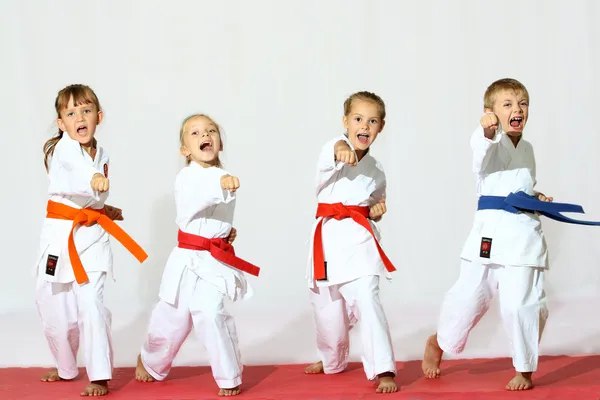
From September 1, Kazakhstan will introduce “Personal Safety” lessons to the curricula of its kindergartens, schools, and colleges. Developed by Kazakhstan's Ministry of Education, the program of 130 training sessions aims to teach children the basics of self-defense and develop a responsible attitude towards their own and others' safety. According to Nasymzhan Ospanova, Chair of the Committee for the Protection of Children's Rights, the lessons are tempered according to the children's age and developmental level to help motivate and support participants. Conducted in batches of weekly ten-minute classes, repeated three times a year, the training courses will include practical tips, games, interactive teaching methods, demonstrations, and videos, making the material accessible and exciting for children of all ages. It is worth noting that over the past three years, the number of children who have committed criminal offenses has increased by 20.3%. In 2023 alone, 1,823 juveniles were convicted. In most cases, crimes are committed by teenagers 16 - 17 years old (80.4%), with about 93.6% of juvenile offenders being boys. Statistics confirm that crime is higher among those with little education and those living in difficult situations. Thus, the share of those who neither study and nor work is 51.9%, the share of those who study in colleges is 26.9%, and in schools, gymnasiums, and lyceums, 20.6%.

UNICEF: Central Asia Must Work To Keep Children Out Of Alternative Care

About 60,000 children across the five Central Asian countries remain in alternative, care despite the known and devastating effects of family separation and child institutionalization, according to a new policy report released by UNICEF. Regina De Dominicis, UNICEF Regional Director for Europe and Central Asia, highlighted the dire and lifelong consequences of institutionalization for children and stressed the need for more investment in family support services. “We have seen progress in recent years in reducing the number of children in alternative care – including the closure of institutions. We must continue this work so that no child is ever placed in alternative care because of poverty, disability or challenging behavior, or because their family lacks access to services they need to care for their child at home,” she said. The report states that 203 children per 100,000 in the region live in care institutions, nearly double the world average of 105 per 100,000. While progress has been made in reducing the overall number of children in institutions, the report notes that children with disabilities are disproportionately represented in these homes. Between 2015 and 2021, the proportion of children with disabilities in residential institutions increased in all Central Asian countries except Kazakhstan, indicating persistent social norms and a lack of social services for these children. UNICEF emphasizes the need to close institutions and support families to prevent unnecessary placement of children in residential care. The organization offers a comprehensive approach to ensure that all children, regardless of their circumstances, grow up in a family environment: 1. Implement effective childcare reforms to keep children with their families where possible, including planning to close large-scale institutions and develop a comprehensive continuum of child and family support and protection services. 2. Investment in a range of child and family support services, including statutory family support services and a strong social service workforce, for the early identification of and intervention in situations when children are at risk of separation. 3. Securing family-based alternative care, including stronger support for extended family members who care for children and strategies to keep siblings together where possible. 4. Protecting children who are already in alternative care against violence, neglect, and abuse through robust safeguarding policies and practices. 5. Investing in more and better data on children who are at risk of family separation, in alternative care, or who have left care. 6. Raising public awareness of the benefits of keeping families together and the urgent need to prioritize family-based care. 7. Ensuring that children have a voice in the decisions that affect them and are consulted when new policies and practices are developed to meet their needs and rights. UNICEF works with governments and partners in Central Asia to keep and support families and community-based care. This also includes implementing deinstitutionalization policies, expanding family support services to prevent separation, а family reunification, and facilitating safe transitions to independent living.