
• KZT/USD = 0.00218
  • TJS/USD = 0.10810
  • UZS/USD = 0.00009
  • TMT/USD = 0.29850
  • KZT/USD = 0.00218
  • TJS/USD = 0.10810
  • UZS/USD = 0.00009
  • TMT/USD = 0.29850
  • KZT/USD = 0.00218
  • TJS/USD = 0.10810
  • UZS/USD = 0.00009
  • TMT/USD = 0.29850
  • KZT/USD = 0.00218
  • TJS/USD = 0.10810
  • UZS/USD = 0.00009
  • TMT/USD = 0.29850
  • KZT/USD = 0.00218
  • TJS/USD = 0.10810
  • UZS/USD = 0.00009
  • TMT/USD = 0.29850
  • KZT/USD = 0.00218
  • TJS/USD = 0.10810
  • UZS/USD = 0.00009
  • TMT/USD = 0.29850
  • KZT/USD = 0.00218
  • TJS/USD = 0.10810
  • UZS/USD = 0.00009
  • TMT/USD = 0.29850
  • KZT/USD = 0.00218
  • TJS/USD = 0.10810
  • UZS/USD = 0.00009
  • TMT/USD = 0.29850
21 August 2026

Viewing results 1 - 6 of 2

Tajikistan Holds Talks on Fuel Imports from China

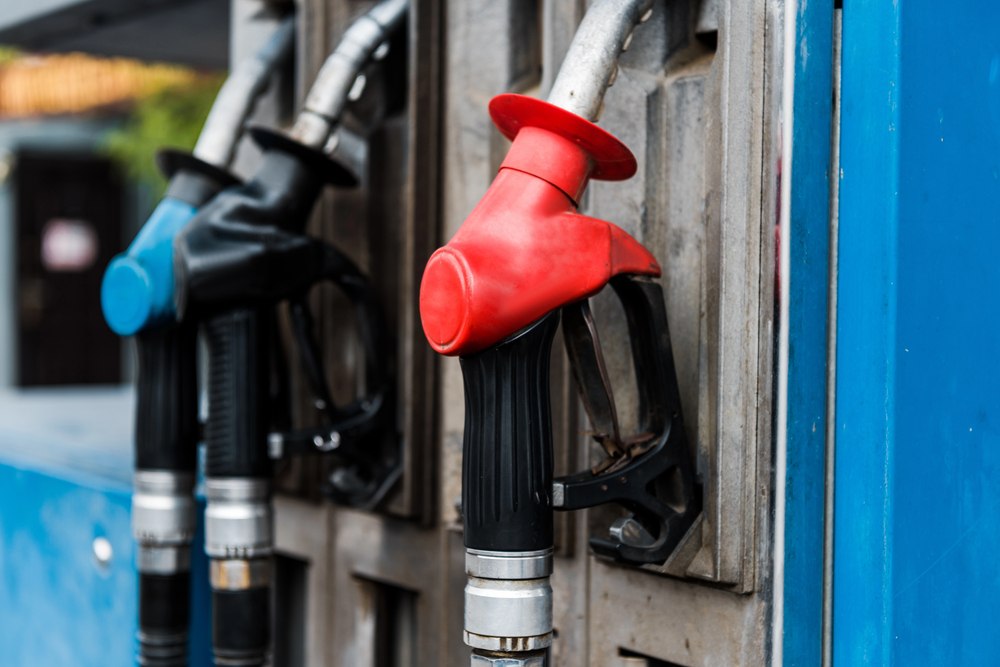
Tajikistan has begun negotiations with China on importing gasoline and diesel fuel as the country grapples with a sharp decline in fuel imports. Prices are rising, and filling stations in Dushanbe are experiencing diesel shortages. The two sides are discussing possible transport routes and which companies in Tajikistan would be authorized to import petroleum products. Tajikistan’s Ministry of Energy and Water Resources, cited by Asia-Plus, said Chinese fuel could be delivered directly through the Kulma border crossing or via Tajikistan’s northern neighbors. The volume and timing of any future deliveries have yet to be agreed, while pricing remains under discussion. Dushanbe is also negotiating increased fuel imports from other Central Asian countries and seeking supplies from Iraq. Agreements have already been reached with Iran on imports of petroleum products and crude oil, although implementation has been postponed because of the armed conflict in the region. Additional supplies from Kazakhstan were discussed during a meeting between President Emomali Rahmon and President Kassym-Jomart Tokayev in Astana on July 29. The talks included the possibility of increasing deliveries of petroleum products from Kazakhstan to the Tajik market. Kazakhstan’s presidential administration said the leaders discussed energy cooperation, along with trade and transport logistics. On July 10, Tajikistan’s Minister of Energy and Water Resources, Daler Juma, said the country had sufficient fuel reserves for approximately 60 days. He added that the government was negotiating with several countries in addition to Russia, which remains Tajikistan’s principal fuel supplier. Fuel imports into Tajikistan have fallen sharply over the past month. During the first half of the year, Russia accounted for 72.3% of all fuel supplied to the Tajik market, while domestic refineries produced only about 0.5% of total supply. The Times of Central Asia previously reported that disruptions in Russia’s fuel market had intensified competition for alternative fuel supplies across Central Asia and increased costs for the region’s most import-dependent economies.

Switzerland Becomes Tajikistan’s Third-Largest Trading Partner

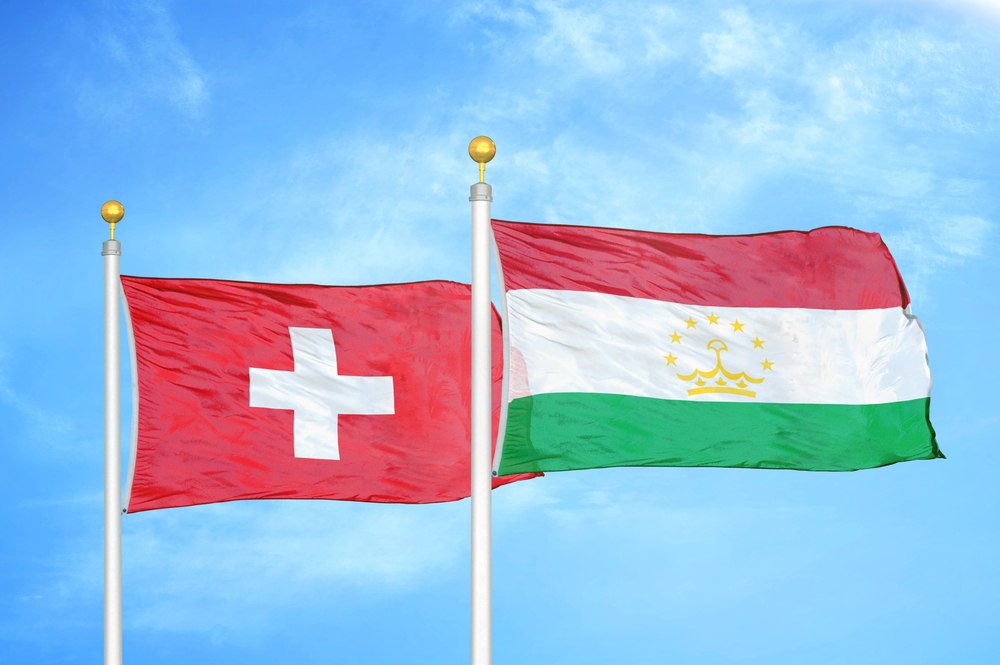
Switzerland became Tajikistan’s third-largest trading partner in the first five months of 2026, overtaking Kazakhstan and ranking behind only China and Russia, Avesta reported, citing Tajikistan’s statistics agency. Trade turnover between Tajikistan and Switzerland exceeded $1.013 billion between January and May, marking a sharp rise that pushed the country into the top three trading partners for the first time. The shift represents a significant change from 2025, when Kazakhstan held third place with trade turnover exceeding $1.19 billion, while trade with Switzerland totaled about $386.5 million, nearly half the 2024 level. In the first five months of 2026, Kazakhstan fell to fourth place with around $649 million in bilateral trade, while Switzerland moved up to third. Switzerland also became the leading destination for Tajik exports, accounting for 36.3% of the country’s total exports, or $508.2 million. China ranked second with a 25.7% share, followed by Turkey at 7.6%. China and Russia remain Tajikistan’s two largest trading partners overall. Trade with China reached nearly $1.44 billion during the reporting period, up 50% year-on-year, while trade with Russia rose 23.1% to $1.11 billion. In imports, China accounted for 24.7% of total inbound trade, followed by Russia at 24%, Kazakhstan at 13.8%, and Switzerland at 11.6%. Tajikistan’s total foreign trade turnover for January-May 2026 exceeded $5.7 billion, up 48.5% from the same period a year earlier. Imports accounted for nearly $4.37 billion, while exports totaled about $1.4 billion. The country’s main exports included mineral products, base metals and metal goods, textiles, and agricultural products. Imports were dominated by mineral products, machinery and equipment, metals, food products, and chemicals. The sharp increase in trade with Switzerland likely reflects the role of precious metals and other commodity-linked transactions in Tajikistan’s trade structure.