Kazakhstan’s Exports Rise Nearly 10% in First Quarter of 2026
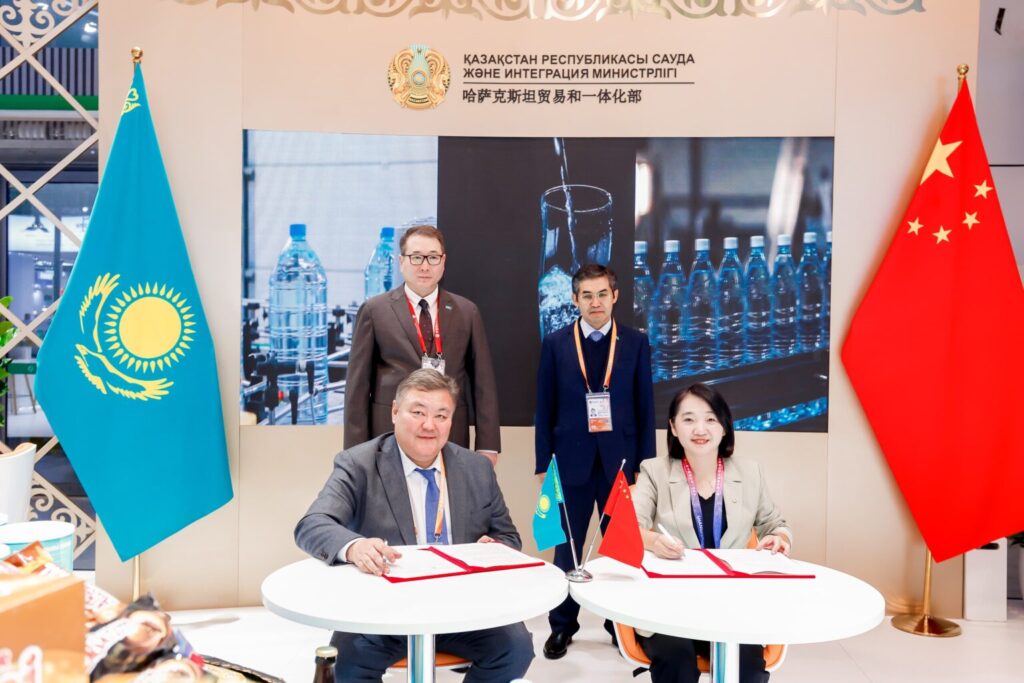
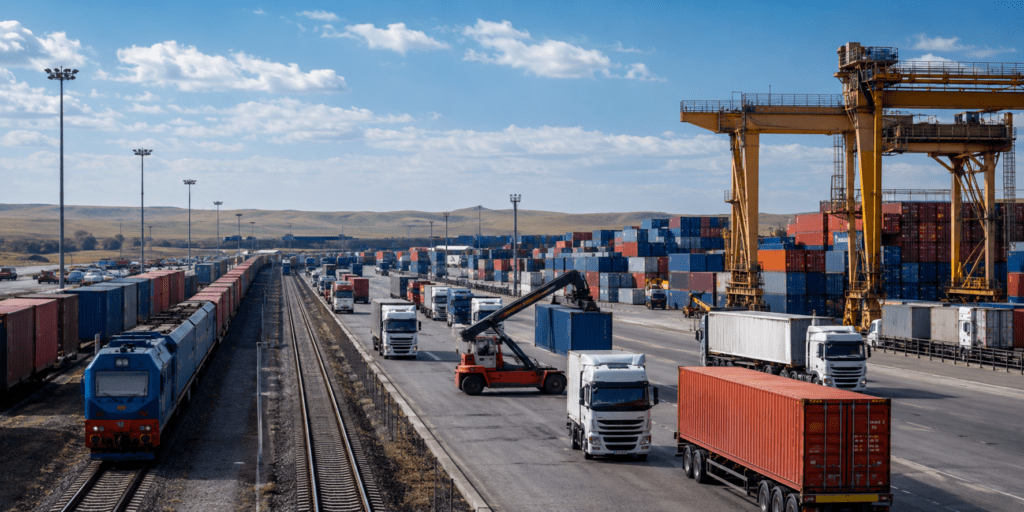
Kazakhstan increased its foreign trade turnover to $32.9 billion during the first quarter of 2026, while exports rose by nearly 10% year-on-year, according to the country’s Ministry of Trade and Integration. The ministry stated that Kazakhstan completed the January-March period with a “confident strengthening” of its foreign trade position. Amid continued strong business activity and expanding export potential, total trade turnover reached $32.9 billion, an increase of 10.5% compared to the same period in 2025, when the figure stood at $29.8 billion. “The dynamics confirm the resilience of the country’s foreign economic sector and the gradual strengthening of higher value-added products in the structure of Kazakhstan’s exports,” the ministry said. Total exports for the first quarter of 2026 rose by 9.4% to $18 billion, while imports increased by 11.8% to $14.9 billion compared to the same period last year. According to the ministry, the faster growth in imports was primarily driven by increased purchases of investment and technological goods needed for the modernization of Kazakhstan’s industrial, energy and transport infrastructure. Among the most notable increases was the import of electric generating units, which rose to $416.8 million, more than five times the previous level. Imports of gas turbines and aircraft engines, railway locomotives, and equipment for processing and sorting raw materials also increased significantly. “This structure of imports indicates sustained high investment demand within the economy and the active implementation of infrastructure and industrial projects,” the ministry said. Officials also highlighted the performance of Kazakhstan’s non-commodity trade sector. Foreign trade turnover in non-resource goods reached $20.4 billion during the first quarter of 2026, up 13.5% year-on-year. Non-commodity exports rose by 23.4% to $6.9 billion, becoming one of the main drivers of changes in Kazakhstan’s foreign trade structure. The main non-resource exports included copper and copper cathodes, silver, uranium, ferroalloys, animal feed products, and sunflower oil. Exports of sunflower oil increased by nearly 60% to $277.8 million, reflecting what the ministry described as the growing competitiveness of Kazakhstan’s processed agricultural products. Ferroalloy exports rose by 20.1%, pointing to continued growth in the metallurgical sector and wider export markets for domestically manufactured industrial goods. “Kazakhstan’s foreign trade geography remains steadily diversified,” the ministry stated. “China became the country’s largest trading partner in the first quarter, with trade turnover reaching $7.8 billion and accounting for 23.8% of total foreign trade.” Russia retained second place with bilateral trade totaling $6.5 billion, remaining Kazakhstan’s key market for imports and industrial cooperation. Italy, Turkey, and Uzbekistan also ranked among Kazakhstan’s largest trading partners. The ministry also noted Kazakhstan’s export position in Europe. Trade turnover with Italy exceeded $3.4 billion during the first quarter, with Kazakh exports accounting for more than $3 billion of that total. As previously reported by The Times of Central Asia, Kazakhstan aims to increase non-commodity exports to $52 billion by 2030.