
• KGS/USD = 0.01143 0%
  • KZT/USD = 0.00202 0%
  • TJS/USD = 0.10599 -0.19%
  • UZS/USD = 0.00008 0%
  • TMT/USD = 0.28575 0%
  • KGS/USD = 0.01143 0%
  • KZT/USD = 0.00202 0%
  • TJS/USD = 0.10599 -0.19%
  • UZS/USD = 0.00008 0%
  • TMT/USD = 0.28575 0%
  • KGS/USD = 0.01143 0%
  • KZT/USD = 0.00202 0%
  • TJS/USD = 0.10599 -0.19%
  • UZS/USD = 0.00008 0%
  • TMT/USD = 0.28575 0%
  • KGS/USD = 0.01143 0%
  • KZT/USD = 0.00202 0%
  • TJS/USD = 0.10599 -0.19%
  • UZS/USD = 0.00008 0%
  • TMT/USD = 0.28575 0%
  • KGS/USD = 0.01143 0%
  • KZT/USD = 0.00202 0%
  • TJS/USD = 0.10599 -0.19%
  • UZS/USD = 0.00008 0%
  • TMT/USD = 0.28575 0%
  • KGS/USD = 0.01143 0%
  • KZT/USD = 0.00202 0%
  • TJS/USD = 0.10599 -0.19%
  • UZS/USD = 0.00008 0%
  • TMT/USD = 0.28575 0%
  • KGS/USD = 0.01143 0%
  • KZT/USD = 0.00202 0%
  • TJS/USD = 0.10599 -0.19%
  • UZS/USD = 0.00008 0%
  • TMT/USD = 0.28575 0%
  • KGS/USD = 0.01143 0%
  • KZT/USD = 0.00202 0%
  • TJS/USD = 0.10599 -0.19%
  • UZS/USD = 0.00008 0%
  • TMT/USD = 0.28575 0%
14 February 2026

Viewing results 1 - 6 of 6

Orthodox Christmas in Central Asia Highlights Faith, Tradition, and Tolerance

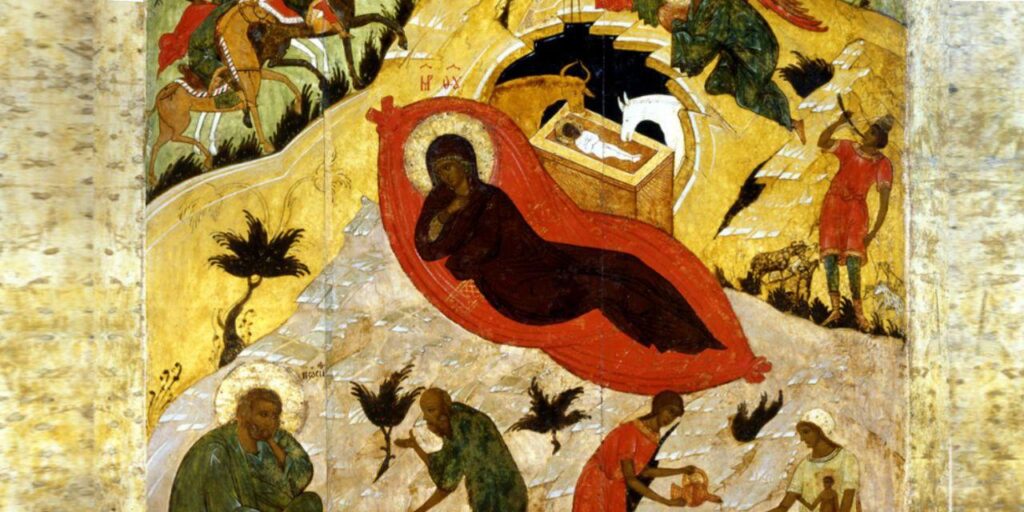
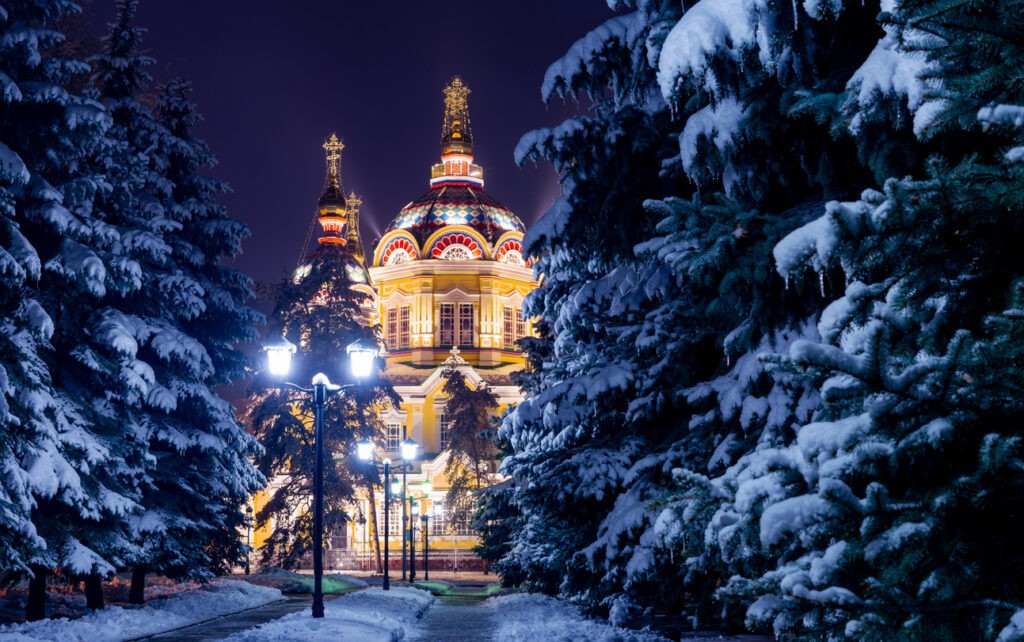
On January 7, Orthodox Christians in Central Asia and around the world celebrate Christmas. In the region, the holiday has become a symbol of religious and ethnic tolerance. Christmas is one of the most significant holidays for believers and is also cherished by many who are not religious. It is celebrated by billions globally. However, the majority of Orthodox Christians and Catholics do not observe Christmas on the same day. While Christmas falls on January 7 for millions of Orthodox Christians in Central Asia, the holiday is marked not only by church services but also by official recognition, public celebrations, and interfaith messages—underscoring the region’s emphasis on religious coexistence. In the early centuries of the Christian era, the Julian calendar was used universally, but, over time, astronomers found that the Julian calendar miscalculated the solar year’s length. As a result, it was replaced by the more accurate Gregorian calendar, which is now followed in most of the secular world. However, many Orthodox churches did not adopt the Gregorian reform. Consequently, many Orthodox Christians celebrate Christmas not on December 25, but 13 days later, on January 7. Some interpreters of church law argue that the Julian calendar is sanctified by centuries of tradition. The Russian Orthodox Church, in particular, maintains that transitioning to the Gregorian calendar would violate canonical norms. A Bright Holiday in Kazakhstan In Kazakhstan, the Ascension Cathedral in Almaty is filled with worshippers on Christmas Eve. The cathedral is a spiritual, historical, and cultural landmark of the country. [caption id="attachment_41873" align="aligncenter" width="1536"] The Zenkov (Ascension) Cathedral, Almaty; image: TCA, Stephen M. Bland[/caption] This year, Metropolitan Alexander, head of the Orthodox Church in Kazakhstan, conducted the divine liturgy at the cathedral, urging people to mark the holiday through acts of kindness. “It would be wrong to celebrate Christmas if we do not share this joy with our neighbors, especially those in need of comfort and support. Let us strive to make this festive season truly bright and solemn for all of us, through good deeds, words of comfort and encouragement, compassion, and mercy. Let us extend a helping hand to those who mourn, encourage those who are discouraged, visit those who are sick, and remember those who are lonely,” said Metropolitan Alexander of Astana and Kazakhstan. In Astana, Bishop Gennady of Kaskelen, administrator of the Metropolitan District, offered Christmas greetings and led a service at Uspensky Cathedral. Orthodox Christmas is a public holiday in Kazakhstan. Representatives of various faiths have emphasized that the day symbolizes peaceful coexistence among people of different nationalities and religions. Christmas Carols and Religious Freedom In Uzbekistan, Metropolitan Vikenty of Tashkent and Uzbekistan, head of the Central Asian Metropolitan District, led the Divine Liturgy at the Cathedral of the Assumption of the Blessed Virgin Mary in Tashkent. The Orthodox community in Uzbekistan is estimated to number between 600,000 and a million. Religious observers note that the public celebration of Orthodox Christmas across Central Asia increasingly reflects a broader emphasis on social stability, interfaith dialogue, and...

How Orthodox Christmas Is Celebrated in Central Asia

Orthodox Christmas, observed on January 7, holds a significant place in Central Asia, even in predominantly Muslim countries such as Tajikistan and Turkmenistan. This article explores how the holiday is celebrated in Kazakhstan, Uzbekistan, Kyrgyzstan, Tajikistan, and Turkmenistan. Kazakhstan Orthodox Christmas in Kazakhstan is a public holiday, alongside the Muslim celebration of Kurban-Ayt (Eid al-Adha). This recognition stems from the efforts of Kazakhstan's first president, Nursultan Nazarbayev, who proposed in 2005 during the XI session of the Assembly of People of Kazakhstan to declare both holidays as non-working days. Despite opposition from the Constitutional Court, which cited the country's secular constitution, members of the parliamentary faction Asar, led by Nazarbayev's daughter Dariga Nazarbayeva, and the presidential party Otan amended the Labor Code to accommodate these holidays. Since then, Orthodox Christmas and Kurban-Ayt have been official holidays. Celebrations in major cities include festive liturgies. In Almaty, the Ascension Cathedral holds a service beginning at 11pm on January 6, followed by a midnight procession. In Astana, the Assumption Cathedral similarly hosts a midnight service. For those unable to attend, events from the Assumption Cathedral are live-streamed on the YouTube channel “Live Broadcasts of the Orthodox Church of Kazakhstan.” Uzbekistan Orthodox Christians comprise 4-5% of Uzbekistan’s population of over 37.5 million. Uzbekistan is part of the Tashkent and Uzbekistan Diocese under the Russian Orthodox Church. The Cathedral of the Dormition of the Blessed Virgin Mary in Tashkent is the focal point of Christmas celebrations. Services begin at 11.30pm on January 6 and end at 3.30am. To ensure maximum participation, the cathedral holds five separate liturgies. Metropolitan Vikenty of the Tashkent and Uzbekistan Diocese explains, “Traditionally, the liturgy was held at night because the Nativity of Christ took place at night. But not everyone can attend a night service, so we perform several liturgies.” Kyrgyzstan Approximately 350,000 Orthodox Christians live in Kyrgyzstan, according to Bishop Daniel of Bishkek and Kyrgyzstan. The country is part of the Bishkek and Kyrgyzstan Diocese of the Russian Orthodox Church. January 7 is a public holiday in Kyrgyzstan, aligning with the extended New Year vacations, which last from January 1 to 7. Festive services are held at the Resurrection Cathedral and the Church of the Holy Prince Vladimir in Bishkek. Tajikistan In Tajikistan, the Orthodox Christian community numbers around 80,000, or 1.2% of the population, though regular church attendance is much smaller. The country is under the jurisdiction of the Dushanbe Diocese of the Russian Orthodox Church. Christmas services are held at St. Nicholas Cathedral in Dushanbe, beginning at 11pm on January 6 and lasting about three hours. The diocese oversees six churches in Tajikistan, served by five priests. Turkmenistan As of 2019, Turkmenistan’s Orthodox Christian population is about 485,000, or 9% of the total population. All Orthodox parishes are under the Patriarchal Parishes of the Russian Orthodox Church, established in 2007. Services on Christmas Eve and January 6 are conducted in all 12 Orthodox churches in Turkmenistan, adhering strictly to church traditions. According to Archpriest John, dean of...