

• KGS/USD = 0.01144 0%
  • KZT/USD = 0.00215 0%
  • TJS/USD = 0.10818 0.19%
  • UZS/USD = 0.00008 0%
  • TMT/USD = 0.28490 -0.28%
  • KGS/USD = 0.01144 0%
  • KZT/USD = 0.00215 0%
  • TJS/USD = 0.10818 0.19%
  • UZS/USD = 0.00008 0%
  • TMT/USD = 0.28490 -0.28%
  • KGS/USD = 0.01144 0%
  • KZT/USD = 0.00215 0%
  • TJS/USD = 0.10818 0.19%
  • UZS/USD = 0.00008 0%
  • TMT/USD = 0.28490 -0.28%
  • KGS/USD = 0.01144 0%
  • KZT/USD = 0.00215 0%
  • TJS/USD = 0.10818 0.19%
  • UZS/USD = 0.00008 0%
  • TMT/USD = 0.28490 -0.28%
  • KGS/USD = 0.01144 0%
  • KZT/USD = 0.00215 0%
  • TJS/USD = 0.10818 0.19%
  • UZS/USD = 0.00008 0%
  • TMT/USD = 0.28490 -0.28%
  • KGS/USD = 0.01144 0%
  • KZT/USD = 0.00215 0%
  • TJS/USD = 0.10818 0.19%
  • UZS/USD = 0.00008 0%
  • TMT/USD = 0.28490 -0.28%
  • KGS/USD = 0.01144 0%
  • KZT/USD = 0.00215 0%
  • TJS/USD = 0.10818 0.19%
  • UZS/USD = 0.00008 0%
  • TMT/USD = 0.28490 -0.28%
  • KGS/USD = 0.01144 0%
  • KZT/USD = 0.00215 0%
  • TJS/USD = 0.10818 0.19%
  • UZS/USD = 0.00008 0%
  • TMT/USD = 0.28490 -0.28%

Viewing results 1 - 6 of 7

Epiphany in Central Asia: Orthodox Traditions and Regional Unity

On the night of January 18-19, Orthodox Christians across Central Asia gather at frozen rivers and lakes to celebrate the feast of Epiphany by plunging into icy waters, three times each, in line with tradition. Though rooted in the Christian faith, this ritual has evolved into a broader cultural event, drawing participation from people of many backgrounds. A Test of Faith and Endurance In Central Asia, Epiphany coincides with some of the coldest days of the year, often referred to as the "Epiphany frosts." Despite subzero temperatures, participation in ice bathing continues to grow. According to Orthodox tradition, Epiphany commemorates the baptism of Jesus in the River Jordan. While the climate in Israel was mild, believers in the region embrace the symbolic cleansing despite the extreme cold. The Orthodox Church does not consider ice bathing a requirement for the faithful. Instead, the central ritual of the holiday is the Great Blessing of Water, performed both on Epiphany and the evening before. Priests encourage believers to collect holy water from churches, sprinkle it throughout their homes, and drink it in small amounts on an empty stomach. Many believe this brings health and protection for the year ahead. Nevertheless, in the main Orthodox churches of Central Asia, fonts and pools are prepared for those who wish to immerse themselves. Designated ice holes are also opened in lakes and rivers for traditional bathing. Strict Safety Measures in Kazakhstan In Kazakhstan, authorities take extensive precautions to ensure public safety during Epiphany bathing. In Astana, the celebration began with a religious procession from the Constantine and Helen Cathedral to the embankment of the Ishim River, where the water was consecrated despite temperatures dipping to minus 30 degrees Celsius. Warm changing rooms were provided, and teams from the Ministry of Emergency Situations, along with paramedics and rescue personnel, were on hand throughout the night. In Almaty, where temperatures hovered around minus 15 degrees, Epiphany fonts were set up at 10 churches. Authorities reminded residents that swimming in non-designated natural bodies of water is prohibited due to the risk of slipping or falling through the ice. However, safety teams and patrols were stationed at approved bathing sites, including the Bolshaya Almatinka, Malaya Almatinka, Butakovka, Goryachiy Istochnik, and Gorenik rivers. Officials advised those with cardiovascular or endocrine conditions to avoid the ritual and warned against participating while intoxicated. A Cultural Tradition Embraced by Many Over time, Epiphany bathing in Central Asia has grown beyond a strictly religious practice. In Kazakhstan, many ethnic Kazakhs and other non-Christian residents eagerly take part, viewing the ritual as a source of health and vitality. It has become a powerful symbol of interethnic and interfaith unity in the region. While Muslim clerics typically do not encourage participation, they generally refrain from direct criticism, recognizing the tradition's broader cultural significance. Orthodox priests also emphasize that the ritual is more custom than doctrine, open to anyone. Some compare Epiphany bathing to the festive atmosphere of Kurban Ait, when Muslims share food in public spaces. Likewise,...
Orthodox Christmas in Central Asia Highlights Faith, Tradition, and Tolerance

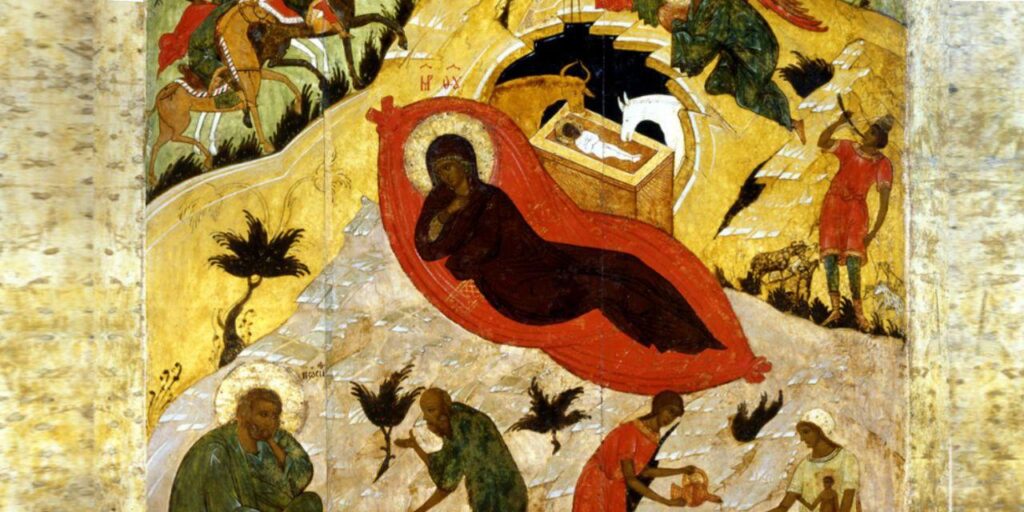
On January 7, Orthodox Christians in Central Asia and around the world celebrate Christmas. In the region, the holiday has become a symbol of religious and ethnic tolerance. Christmas is one of the most significant holidays for believers and is also cherished by many who are not religious. It is celebrated by billions globally. However, the majority of Orthodox Christians and Catholics do not observe Christmas on the same day. While Christmas falls on January 7 for millions of Orthodox Christians in Central Asia, the holiday is marked not only by church services but also by official recognition, public celebrations, and interfaith messages—underscoring the region’s emphasis on religious coexistence. In the early centuries of the Christian era, the Julian calendar was used universally, but, over time, astronomers found that the Julian calendar miscalculated the solar year’s length. As a result, it was replaced by the more accurate Gregorian calendar, which is now followed in most of the secular world. However, many Orthodox churches did not adopt the Gregorian reform. Consequently, many Orthodox Christians celebrate Christmas not on December 25, but 13 days later, on January 7. Some interpreters of church law argue that the Julian calendar is sanctified by centuries of tradition. The Russian Orthodox Church, in particular, maintains that transitioning to the Gregorian calendar would violate canonical norms. A Bright Holiday in Kazakhstan In Kazakhstan, the Ascension Cathedral in Almaty is filled with worshippers on Christmas Eve. The cathedral is a spiritual, historical, and cultural landmark of the country. [caption id="attachment_41873" align="aligncenter" width="1536"] The Zenkov (Ascension) Cathedral, Almaty; image: TCA, Stephen M. Bland[/caption] This year, Metropolitan Alexander, head of the Orthodox Church in Kazakhstan, conducted the divine liturgy at the cathedral, urging people to mark the holiday through acts of kindness. “It would be wrong to celebrate Christmas if we do not share this joy with our neighbors, especially those in need of comfort and support. Let us strive to make this festive season truly bright and solemn for all of us, through good deeds, words of comfort and encouragement, compassion, and mercy. Let us extend a helping hand to those who mourn, encourage those who are discouraged, visit those who are sick, and remember those who are lonely,” said Metropolitan Alexander of Astana and Kazakhstan. In Astana, Bishop Gennady of Kaskelen, administrator of the Metropolitan District, offered Christmas greetings and led a service at Uspensky Cathedral. Orthodox Christmas is a public holiday in Kazakhstan. Representatives of various faiths have emphasized that the day symbolizes peaceful coexistence among people of different nationalities and religions. Christmas Carols and Religious Freedom In Uzbekistan, Metropolitan Vikenty of Tashkent and Uzbekistan, head of the Central Asian Metropolitan District, led the Divine Liturgy at the Cathedral of the Assumption of the Blessed Virgin Mary in Tashkent. The Orthodox community in Uzbekistan is estimated to number between 600,000 and a million. Religious observers note that the public celebration of Orthodox Christmas across Central Asia increasingly reflects a broader emphasis on social stability, interfaith dialogue, and...

How Orthodox Christians Celebrate Easter in Central Asia and Around the World

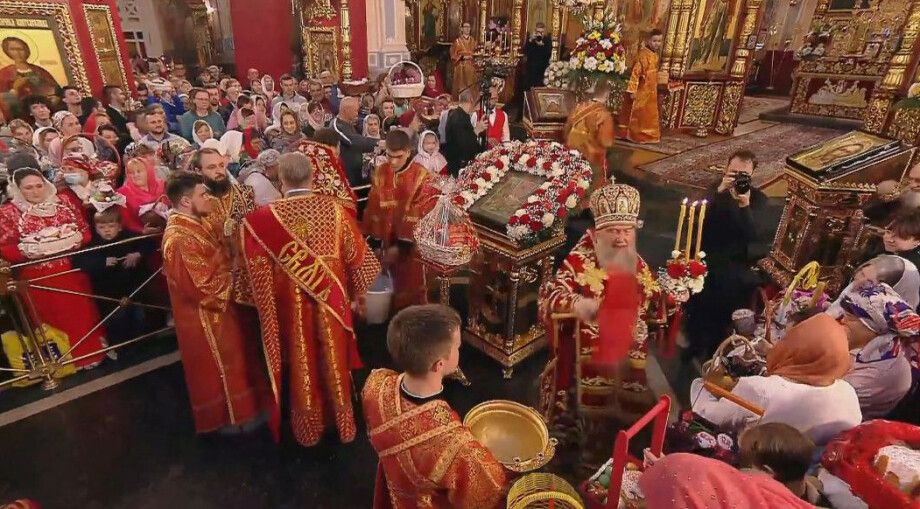
In 2025, Orthodox Christians will celebrate Easter on April 20. This central event in the Orthodox liturgical calendar is marked with solemnity and joy across Orthodox-majority countries such as Russia, Belarus, Georgia, Bulgaria, Greece, Romania, and others. In Central Asia, Orthodox Christian communities also observe the holiday, maintaining centuries-old traditions despite being religious minorities. Kazakhstan On the night of April 20, Easter services will be held in all Orthodox churches across Kazakhstan. According to the Semirechensk Metropolitanate, the Holy Fire from Jerusalem will be brought to the Ascension Cathedral in Almaty, where Metropolitan Alexander will lead the liturgy and Easter procession. The service will begin at 23:30 and will be broadcast live on the Metropolitanate's official YouTube channel. A ceremonial arrival of the Holy Fire is scheduled for 17:00 on Easter Sunday at the cathedral. Uzbekistan In Uzbekistan, the focal point of Easter celebrations is the Holy Dormition Cathedral in Tashkent. Each year, Metropolitan Vikenty of Tashkent and Uzbekistan brings the Holy Fire from Jerusalem. In 2024, he celebrated Easter Matins with Bishop Savvatiy of Bishkek and Kyrgyzstan. Earlier that year, Vikenty made another pilgrimage to the Holy Land to receive the flame. Tajikistan In Dushanbe, Easter is traditionally celebrated at St. Nicholas Cathedral. In 2024, dozens of worshipers, including members of the Russian diplomatic mission and the ambassador, attended the festive liturgy. Following the service, a traditional procession took place, and parishioners received blessings along with kulich (traditional Easter bread) and other Easter treats. Turkmenistan Turkmenistan is home to approximately 485,000 Orthodox Christians, around 9% of the population. The Russian Orthodox Church operates through 12 churches organized under a Patriarchal benefice. While official celebrations are relatively modest, traditional Easter practices are still observed, particularly in urban centers. Russia In Russia, Easter remains the most significant church holiday. Services begin on Saturday evening with a midnight vigil, followed by festive Matins and the Divine Liturgy. The faithful greet one another with “Christ is risen!” and respond “Truly risen!” In the morning, families gather around tables adorned with kulichi, paskha (a cheese dessert), and colored eggs, which are traditionally used for “egg battles.” Easter Traditions Worldwide Because Orthodox churches use the Julian calendar and most Western churches follow the Gregorian calendar, Easter dates typically differ. However, in 2025, both calendars align, and Easter will be celebrated on the same day. Traditions vary widely around the world. In Poland, congregants bring willow branches and blessed food to churches, and festivities continue with "Wet Monday," a water-splashing custom. Bulgarians dye eggs and enjoy family feasts. In Greece, fireworks mark the midnight celebration, and tables are filled with magiritsa soup and roast lamb. In France and Germany, the Easter bunny and chocolate eggs dominate the holiday. Italians serve colomba cakes and lamb dishes, while the British favor hot cross buns and organize egg hunts. In Spain and Poland, dyed eggs are used for games and decoration. In Australia, Easter is celebrated with countryside festivals and egg hunts. Sweden observes a four-day holiday beginning on...
