• KGS/USD = 0.01144 0%
  • KZT/USD = 0.00205 0%
  • TJS/USD = 0.10722 0%
  • UZS/USD = 0.00008 0%
  • TMT/USD = 0.28490 0%
  • KGS/USD = 0.01144 0%
  • KZT/USD = 0.00205 0%
  • TJS/USD = 0.10722 0%
  • UZS/USD = 0.00008 0%
  • TMT/USD = 0.28490 0%
  • KGS/USD = 0.01144 0%
  • KZT/USD = 0.00205 0%
  • TJS/USD = 0.10722 0%
  • UZS/USD = 0.00008 0%
  • TMT/USD = 0.28490 0%
  • KGS/USD = 0.01144 0%
  • KZT/USD = 0.00205 0%
  • TJS/USD = 0.10722 0%
  • UZS/USD = 0.00008 0%
  • TMT/USD = 0.28490 0%
  • KGS/USD = 0.01144 0%
  • KZT/USD = 0.00205 0%
  • TJS/USD = 0.10722 0%
  • UZS/USD = 0.00008 0%
  • TMT/USD = 0.28490 0%
  • KGS/USD = 0.01144 0%
  • KZT/USD = 0.00205 0%
  • TJS/USD = 0.10722 0%
  • UZS/USD = 0.00008 0%
  • TMT/USD = 0.28490 0%
  • KGS/USD = 0.01144 0%
  • KZT/USD = 0.00205 0%
  • TJS/USD = 0.10722 0%
  • UZS/USD = 0.00008 0%
  • TMT/USD = 0.28490 0%
  • KGS/USD = 0.01144 0%
  • KZT/USD = 0.00205 0%
  • TJS/USD = 0.10722 0%
  • UZS/USD = 0.00008 0%
  • TMT/USD = 0.28490 0%

Viewing results 1 - 6 of 163

Tajikistan’s Energy Paradox

Tajikistan stands out among developing countries for having achieved near-universal access to electricity by 2022. This milestone, documented in the international SDG7-2025 report by the UN, World Bank, WHO, IEA, and IRENA, places the country alongside Eastern European and South Caucasus states in electrification. However, beneath this achievement lie persistent vulnerabilities, particularly in rural and mountainous regions, where winter brings regular power outages due to seasonal dips in hydropower generation and surging demand. Firewood and Coal Still Dominant Despite near-total electrification, Tajikistan remains significantly behind in access to clean cooking fuels. Fewer than 40% of the population use modern, safe technologies. In villages, the majority of households still rely on coal, firewood, or even manure for heating and cooking, practices that pose serious environmental and health risks, especially for women and children. Tajikistan’s power sector is heavily dependent on hydropower, which accounts for over 90% of electricity production. While this results in low CO₂ emissions, it also creates structural vulnerabilities. Climate change and glacial retreat threaten the reliability of this single energy source. Meanwhile, the potential of solar and wind energy remains largely untapped due to a lack of investment, insufficient institutional frameworks, and limited support for decentralized energy projects. Lagging in Energy Efficiency Tajikistan is one of the most energy-intensive countries in the region. Aging heating systems, poorly insulated buildings, and inefficient technologies in agriculture and industry all contribute to this inefficiency. The SDG7 report emphasizes the need to upgrade buildings and adopt energy-saving technologies. Some progress has been made: with assistance from the European Bank for Reconstruction and Development (EBRD), thermal upgrades are underway in schools and hospitals. In 2021, Tajikistan received approximately $100 million in international support for energy projects, most of it allocated to hydropower. Major donors include the World Bank, the Asian Development Bank (ADB), and various UN agencies. However, investment in solar and wind energy, as well as broader energy efficiency initiatives, remains negligible. Experts are urging international partners to revise their priorities and fund projects that directly improve living standards, particularly in remote and rural areas. A Regional Disparity in Investment The pace of energy transition varies across Central Asia. While electrification is largely complete, access to clean cooking fuels remains uneven. Tajikistan and Kyrgyzstan are notably behind in this area. In contrast, Uzbekistan has emerged as a regional leader, securing the bulk of international energy investment. Uzbekistan, on the contrary, entered the top five world leaders in attracting investments in green energy. Globally, progress toward Sustainable Development Goal 7 (SDG 7) is slowing. As of 2022, 91% of the world’s population had access to electricity, but over two billion people still rely on harmful fuels for cooking. Energy efficiency improvements are lagging, advancing at just one-quarter of the pace needed to meet 2030 targets. Charting a Path Forward Experts recommend three immediate priorities for Tajikistan. First, scaling up decentralized solar and wind energy projects. Second, investing in the energy efficiency of buildings and infrastructure. Third, expanding access to clean cooking fuels through...

More Than a Quarter of Tajikistan’s Population Lives Below the Poverty Line – World Bank Report

Tajikistan continues to make gradual progress in reducing poverty, but over 25% of the population still lives on less than $3.65 a day, according to the World Bank’s newly released Poverty, Prosperity, and Planet Report 2024. Revised Poverty Line and Structural Vulnerabilities The World Bank recently raised the extreme poverty threshold from $2.15 to $3.00 per day, adjusting for updated purchasing power parity. Under the international poverty line of $3.65 per day, approximately one in four Tajik citizens remains in poverty. Globally, around 700 million people, 8.5% of the world’s population, live on less than $2.15 per day. The report highlights that economies reliant on remittances and imports are particularly vulnerable. Tajikistan fits this profile, with a large portion of its population employed in the informal sector, especially agriculture, and limited coverage by social assistance programs. National statistics show a decline in the domestic poverty rate from 26.3% in 2022 to 23.5% in 2023, with forecasts indicating a possible drop to 21.3% this year. Nonetheless, the country's poverty rate remains high by international standards. Rural Poverty and Social Disparities Poverty in Tajikistan disproportionately affects rural areas, where 80% of the poor reside. Around 70% of adults living in poverty lack vocational education. Vulnerable groups include women, large families, single-parent households, and children, many of whom require sustained, targeted social support. In comparison with its neighbors, Kyrgyzstan has the region’s highest poverty rate by national standards at 29.8%, while Uzbekistan reports 11.2% and Kazakhstan 3.7%. Less than 5% of Kazakhstan’s population lives below the international poverty line. Turkmenistan continues to withhold poverty-related data. Climate Change Adds to Economic Pressures The report warns that climate change further exacerbates poverty risks. From 2000 to 2020, temperatures in Central Asia rose by an average of 1.23°C, and regional glaciers shrank by 30%. For Tajikistan, where glaciers are the primary source of freshwater, these developments pose a growing threat to agricultural sustainability and food security. Nonetheless, the report acknowledges progress in adaptation efforts. Tajikistan is implementing precision farming technologies and modernizing water management practices, which have improved crop yields while reducing water usage in arid regions. The World Bank emphasizes that without structural reforms, including quality job creation, expanded support systems, and sustainable income protection, millions in Tajikistan will remain at risk, despite the appearance of macroeconomic stability.

Tajikistan and Central Asia Face Escalating Water Crisis

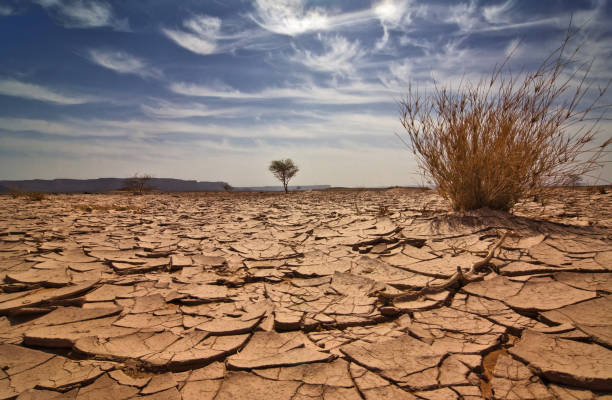
Central Asia is emerging as one of the regions most vulnerable to drought, according to the latest Global Drought Outlook published by the United Nations. A Region Under Climate Pressure The report highlights a persistent rise in average annual temperatures, diminishing snow cover, and accelerated glacier retreat, particularly in the mountainous regions of Tajikistan and Kyrgyzstan, as key drivers of water insecurity. “Climate change is accelerating glacier retreat... This poses a long-term threat to the region's water security,” the report states. Tajikistan, which holds over 60% of Central Asia’s glaciers, plays a critical role in the region’s hydrology. Agriculture on the Brink The first sector to suffer from prolonged drought is agriculture, which underpins food security across Tajikistan, Uzbekistan, and Turkmenistan. Most agriculture in these countries relies on outdated irrigation systems ill-equipped to handle evolving climate conditions. According to the Food and Agriculture Organization (FAO), the global incidence of droughts rose by 29% between 2000 and 2023. In Central Asia, this trend has resulted in declining crop yields, income losses, and forced livestock sales. In Tajikistan’s Khatlon and Sogd regions, farmers experience income drops of 15-30% during dry years. Despite generating more than 60% of the region's freshwater through glaciers and high-altitude rivers, Tajikistan struggles with its own water shortages. Nearly 60% of water is lost due to leakage in dilapidated canals, compounded by inefficient water management. Rural communities are particularly affected, with thousands of families lacking regular access to clean water. Hydropower and Economic Risks Tajikistan relies on hydropower for over 90% of its electricity. However, inconsistent snowfall and prolonged summer droughts have drastically lowered reservoir levels, threatening national energy stability. More than half of the country’s 14,000 kilometers of irrigation canals require modernization. From 2000 to 2016, drought-related economic losses in Central Asia exceeded $2 billion. In 2023 alone, Tajikistan incurred $5.4 million in damages due to power shortages. Droughts are also impacting public health, employment, and migration. Natural disasters annually affect around 1.4 million people in Uzbekistan and 500,000 in Kazakhstan and Tajikistan. By 2050, drought-related losses are expected to reach 1.3% of regional GDP annually, with up to five million climate migrants projected. Regional and Global Responses Tajikistan, a signatory to the UN Convention to Combat Desertification, is pursuing land restoration and sustainable water management projects. Under the ISCAUZR-2 initiative (Central Asian Initiative on Sustainable Land Management), the country secured nearly $1.5 million to support sustainable agricultural practices. Efforts include the development of fruit tree nurseries, installation of drip irrigation systems, construction of freshwater reservoirs, and deployment of monitoring sensors at water sources. Agroforestry techniques and drought-resistant crop varieties are also being introduced. Despite these initiatives, the region continues to face rising temperatures, Asia has already surpassed a +1.04°C increase and Tajikistan has lost more than 1,000 glaciers. An estimated 10 million people across Central Asia lack sustainable access to safe drinking water. Natural phenomena increasingly compound one another: droughts cause dust storms, which in turn accelerate glacier melt. The UN report warns that without systemic...

ALTAÏ: A Documentary Exploring Central Asia’s Water Lifelines to Start Filming

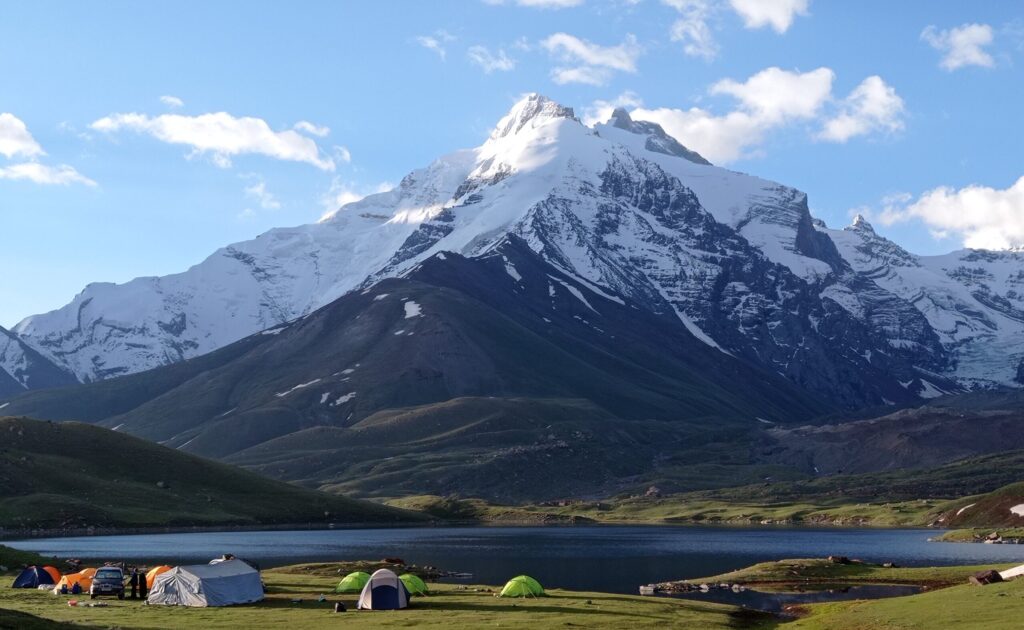
A new documentary, ALTAÏ, by acclaimed writer Cédric Gras and director Bertrand Delapierre, is set to bring global attention to the fragile ecosystems of Central Asia and the critical water issues tied to its majestic Altai Mountains. Slated for release on Ushuaïa TV in 2026, the documentary promises an in-depth exploration of the vital role these mountains play in sustaining life across the arid steppes of Kazakhstan, while addressing ecological challenges, geopolitical tensions, and the impact of climate change. A Journey Through Kazakhstan’s Heart [caption id="attachment_33183" align="aligncenter" width="2560"] Image: TCA, Ilyas Otan[/caption] The documentary follows the film crew’s expedition through Kazakhstan’s varied landscapes, beginning in its modern capital, Astana, and culminating in an ascent of Mount Belukha, the tallest peak in the Altai range. Along the way, the team will investigate how Kazakhstan is grappling with increasing water scarcity while striving to balance modernization with environmental conservation. Central to the film’s narrative is the Irtysh River, born from the Altai glaciers, which flows through Russia, China, Mongolia, and Kazakhstan. This river has long delivered life-sustaining water to Kazakhstan’s steppes, irrigating farmlands and powering industries. Yet, as the documentary reveals, upstream diversions and glacial retreat now threaten the river's future. Central Asia’s Water Crisis [caption id="attachment_33184" align="aligncenter" width="1536"] Image: TCA, Ilyas Otan[/caption] With Central Asia among the regions most threatened by water shortages, ALTAÏ examines the severe consequences of dwindling resources. Astana, once a Soviet outpost named Tselinograd, has been transformed into a futuristic capital fueled by the nation’s oil and gas wealth. However, this rapid expansion has brought a pressing water deficit. The Ishim River, which runs through the city, can no longer suffice, prompting the construction of the new Astana-Irtysh canal to draw water from the distant Altai region. The documentary highlights alarming findings from hydrologists about the ecological and political pressures weighing on water management in the region. Viewers will see the extensive canal network left by the Soviet Union, such as the Irtysh-Karaganda Canal, and the vital role it continues to play in supporting industrial cities, agriculture, and the survival of the steppes. Exploring the Altai Mountains [caption id="attachment_33185" align="aligncenter" width="2048"] Image: TCA, Ilyas Otan[/caption] At the heart of the documentary will be an expedition into the Altai Mountains, a remote massif spanning Kazakhstan, China, and Russia. The mountain range is revered as the “water tower” of the region, yet its glaciers are melting at an alarming rate due to climate change. Guided by Kazakh mountaineers, the crew will travel across high valleys and visit traditional nomadic settlements that depend on the rivers fed by these glaciers. Finally, the team will ascend Mount Belukha, the Altai’s highest peak, to examine the glacial sources of the Irtysh River, capturing breathtaking footage of this territory where the borders of Kazakhstan, China, and Russia converge. Along the way, they will discuss with locals and scientists the geopolitical tensions over water resources, as Chinese development upstream increasingly diverts flow from the Irtysh to fuel its arid regions. Environmental and Geopolitical Themes...

Artificial Glacier Technology to Support Kyrgyz Farmers Amid Climate Change

Artificial glacier technology is emerging as a promising solution to help Kyrgyz farmers adapt to the growing challenges of climate change. By enhancing irrigation efficiency and ensuring a more reliable water supply, these innovations aim to strengthen the resilience of mountain communities dependent on agriculture. The technology was the focus of a roundtable discussion held on June 17 in Bishkek, titled “Technical Solutions for Improving Water Availability in Irrigation Systems for Mountain Communities in Kyrgyzstan Under Climate Change.” At the event, Oleg Guchgeldiyev, the Food and Agriculture Organization (FAO) Representative in Kyrgyzstan, presented a new FAO initiative to develop and expand artificial glacier infrastructure in the country. The project is being implemented in partnership with the Ministry of Water Resources, Agriculture and Processing Industry of Kyrgyzstan. With natural glaciers rapidly retreating due to global warming, water scarcity during the summer months has become a critical concern for Kyrgyz farmers. Artificial glaciers, engineered ice structures formed in winter and melted during warmer periods, offer a low-cost, scalable method of ensuring water availability during the growing season. “Artificial glaciers are not just a technological solution,” Guchgeldiyev said. “These innovations serve as a pillar of resilience for rural communities in a changing climate. Such projects strengthen food security and promote long-term agricultural development.” How the Technology Works The FAO’s “Glacier - Reservoir - Farmer” system combines artificial glaciers with small water reservoirs and modern irrigation methods such as drip systems. Water is collected from mountain springs and funneled through a pipeline to a vertical outlet pipe, 10 to 15 meters high. The elevation difference generates pressure that sprays water into the air. In winter, this spray freezes, gradually forming an ice cone. In summer, the stored ice melts and is directed to nearby reservoirs, from which it is distributed to fields for irrigation and livestock use. “Location is critical for glacier construction,” noted Matraim Jusupov, an FAO expert in agriculture and water management. “On average, one artificial glacier can supply water for 300 to 500 hectares of land.” The integration of reservoirs and pipeline systems minimizes water loss and enhances distribution efficiency, improving crop yields and rural livelihoods. Early Implementation and Expansion Kyrgyzstan already has over 30 artificial glaciers, with early projects implemented in the Uzgen, Kochkor, and Aksy districts.  As previously reported by The Times of Central Asia, In autumn 2024, seven more artificial glaciers were constructed in villages across the Batken region as part of the FAO’s broader climate adaptation strategy. These initiatives are part of Kyrgyzstan’s growing efforts to modernize its water infrastructure and build resilience against the intensifying impacts of climate change on its agriculture-dependent economy.

Flash Floods Severely Damage Irrigation Infrastructure and Crops in Tajikistan

Heavy rains and ensuing flash floods have inflicted significant damage on agriculture and infrastructure near the city of Penjikent in northwestern Tajikistan. The rural community of Kosatarosh was particularly hard-hit, with key irrigation canals damaged and dozens of hectares of farmland inundated. Key Canals and Farmland Affected According to the emergency response headquarters under the Penjikent city administration, flooding and mudslides disrupted the flow of two major irrigation canals, Khalifa Hassan and Farmetan. Around 20 meters of the bank of the Khalifa Hassan Canal was washed away, with sediment and debris accumulating in the channel. The Farmetan Canal was partially blocked, endangering the water supply for local farms. The disruption poses a serious threat to agricultural output, as the Khalifa Hassan Canal supplies water to over 3,500 hectares of cropland and orchards. Local authorities estimate that at least 80 hectares of rice, potatoes, corn, and other crops, cultivated by both collective farms and private households, were affected. On the morning of June 16, Penjikent Mayor Abduholik Kholikzoda visited the affected area and held an emergency meeting with representatives of the Committee for Emergency Situations and other relevant agencies. Authorities agreed to initiate a rapid damage assessment and commence restoration work. The State Administration for Land Reclamation and Irrigation of the Zarafshon River Basin has been tasked with clearing debris from the canals and repairing damaged sections. Specialists from the Zarafshon joint venture have already deployed equipment and begun initial repair operations. Authorities Had Issued Warnings The Tajikistan Hydrometeorological Agency had issued a warning on June 12-13 about the heightened risk of mudslides in mountainous and foothill regions, including areas in Sughd region, such as Ayni, Penjikent, and Iskanderkul, as well as regions under direct republican jurisdiction and parts of the Gorno-Badakhshan Autonomous Region. “Precipitation expected in mountainous and foothill areas could lead to mudslides,” the agency warned. The Emergency Committee advised residents to avoid rivers and reservoirs, suspend fishing and hunting, and temporarily cease grazing livestock in vulnerable mountainous areas. Volatile Summer Weather Increases Risk Forecasters predict that June 2025 will be unusually hot across Tajikistan, with temperatures expected to exceed seasonal averages by more than two degrees. The southern and lowland regions are expected to experience particularly high temperatures. Despite the heat, meteorologists warn of possible short-term rainfall, thunderstorms, dust storms, and squalls. Authorities have urged citizens to remain vigilant, particularly in flood-prone mountainous areas, where weather volatility continues to pose a risk. The situation in Penjikent underscores the increasing vulnerability of such regions to climate-induced disasters.