• KGS/USD = 0.01144 0%
  • KZT/USD = 0.00206 0%
  • TJS/USD = 0.10760 0%
  • UZS/USD = 0.00008 0%
  • TMT/USD = 0.28571 0%
  • KGS/USD = 0.01144 0%
  • KZT/USD = 0.00206 0%
  • TJS/USD = 0.10760 0%
  • UZS/USD = 0.00008 0%
  • TMT/USD = 0.28571 0%
  • KGS/USD = 0.01144 0%
  • KZT/USD = 0.00206 0%
  • TJS/USD = 0.10760 0%
  • UZS/USD = 0.00008 0%
  • TMT/USD = 0.28571 0%
  • KGS/USD = 0.01144 0%
  • KZT/USD = 0.00206 0%
  • TJS/USD = 0.10760 0%
  • UZS/USD = 0.00008 0%
  • TMT/USD = 0.28571 0%
  • KGS/USD = 0.01144 0%
  • KZT/USD = 0.00206 0%
  • TJS/USD = 0.10760 0%
  • UZS/USD = 0.00008 0%
  • TMT/USD = 0.28571 0%
  • KGS/USD = 0.01144 0%
  • KZT/USD = 0.00206 0%
  • TJS/USD = 0.10760 0%
  • UZS/USD = 0.00008 0%
  • TMT/USD = 0.28571 0%
  • KGS/USD = 0.01144 0%
  • KZT/USD = 0.00206 0%
  • TJS/USD = 0.10760 0%
  • UZS/USD = 0.00008 0%
  • TMT/USD = 0.28571 0%
  • KGS/USD = 0.01144 0%
  • KZT/USD = 0.00206 0%
  • TJS/USD = 0.10760 0%
  • UZS/USD = 0.00008 0%
  • TMT/USD = 0.28571 0%

Viewing results 1 - 6 of 40

Bishkek Authorities Ban Low-Quality Coal to Curb Air Pollution

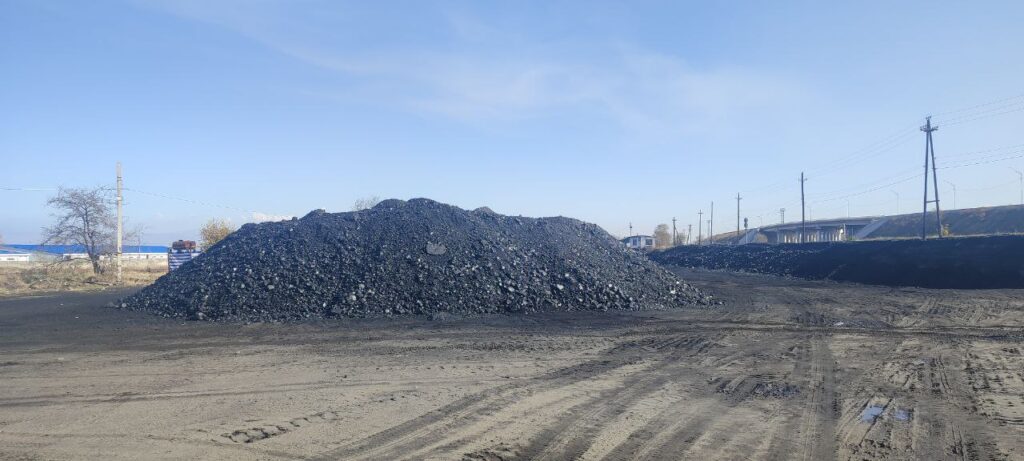
On October 6, the Kyrgyz government banned the use of powder-like coal with particle sizes between 0-13 mm in Bishkek and the surrounding Chui region as part of a broader effort to combat air pollution and improve public health. According to the Ministry of Natural Resources, Ecology, and Technical Supervision, this fine-grade coal is inefficient for household heating and generates significant dust, contributing to particulate air pollution. The new regulation applies only to private households and does not affect heating plants or boiler facilities. As part of its wider decarbonization strategy, the Ministry of Finance has partnered with domestic banks to launch the Improving Air Quality project. This initiative supports the transition to modern, environmentally friendly heating systems and promotes cleaner household energy use. Funded through a $50 million loan from the International Development Association, the project will distribute $31.8 million in preferential loans via Aiyl Bank, Eldik Bank, and Bakai Bank. The program aims to reduce household coal consumption, promote energy-efficient heating, and expand access to cleaner technologies across the capital and beyond. Officials believe the project will help accelerate the adoption of eco-friendly heating solutions and improve urban air quality in Bishkek, a city of more than one million residents. Air pollution remains a chronic problem, particularly during winter months, when coal burning in households surges and accounts for an estimated 40% of the city's harmful emissions. Bishkek frequently ranks among the top 10 most polluted cities worldwide, according to IQAir’s global index.

Kazakhstan’s Competition Agency Proposes Partial State Regulation of Coal Prices

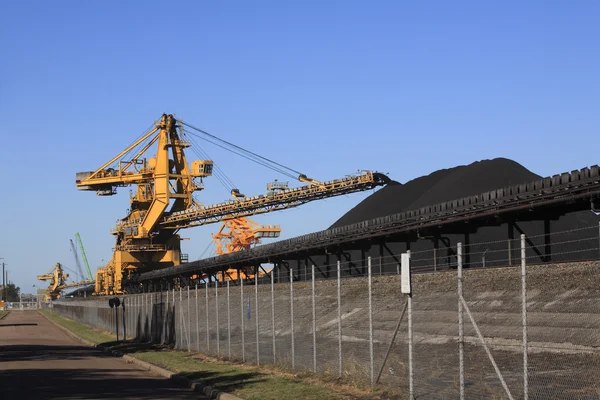
Kazakhstan’s Agency for the Protection and Development of Competition has proposed introducing state regulation of coal prices, but only for coal sold to energy companies. The agency argues that the coal market for energy producers operates as a de facto monopoly. Over 70% of this segment is controlled by Bogatyr Komir LLP, based in Ekibastuz. According to the agency, the company has consistently raised prices over the past five years, with annual increases ranging from 5% to 21.5%. In 2023, antitrust authorities launched an investigation into Bogatyr Komir for allegedly setting monopolistically high prices. The company contested the probe, but on June 10, 2025, Kazakhstan’s Supreme Court upheld the legality of the investigation. Officials emphasized that thermal coal prices have a direct impact on electricity tariffs, accounting for up to 60% of the costs incurred by energy producers. Rising coal prices also drive up the cost of food and utilities. Despite electricity and heat tariffs being regulated at every stage of delivery, coal prices remain outside the scope of state control. “This leads to sharp price fluctuations and causes cash flow gaps for energy producers. Therefore, the agency initiated the introduction of state regulation of energy coal prices. This provision is included in the sixth package of amendments to the antitrust legislation, which is currently being considered by parliament,” the agency’s press service stated. Energy is the largest consumer of coal in Kazakhstan. In 2024, 59% of the 109.8 million tons of coal mined domestically was used within the country, while 29.5 million tons were exported. Coal powers approximately 66% of Kazakhstan’s electricity and 80% of its heat. While around 25 companies operate in the sector, 75% of production is concentrated among four major firms: Bogatyr Komir (with about 40% of market share), Euro-Asian Energy Corporation, Shubarkol Komir, and Karmet (formerly ArcelorMittal Temirtau). As previously reported by The Times of Central Asia, Kazakhstan’s coal reserves could last 200-300 years, depending on the rate of extraction.

Kazakhstan’s Vast Coal Reserves Could Fuel Energy Needs for Centuries

Kazakhstan’s coal reserves are expected to last between 200 and 300 years, depending on the rate of extraction, according to an analytical study by the Caspian Commodity Exchange. The study notes that Kazakhstan ranks among the world’s top ten countries for proven coal reserves, estimated at 25 to 33 billion tons, and eighth in terms of production. In 2023, the country produced 112.7 million tons of coal, followed by 109.8 million tons in 2024. Exports for those years totaled 31.9 million tons and 29.5 million tons, respectively. At current production rates, reserves could last for 300 years; if output increases, they would last at least 200 years. About 25 companies operate in Kazakhstan’s coal sector, with 75% of production concentrated among four major players: Bogatyr Komir LLP (about 40% of the market), Euro-Asian Energy Corporation (EEC), Shubarkol Komir JSC, and Qarmet (formerly ArcelorMittal Temirtau JSC). Domestic consumption accounts for 72% of coal use, with the remainder exported, mainly to Russia, which takes about two-thirds of supplies. In 2023, Kazakhstan ranked among the top five coal suppliers to the EU, holding an 8.7% market share, according to the European Commission. The power sector is the largest domestic consumer, using 59% of coal, followed by households (8%) and industry (5%). Coal makes up roughly 50% of the country’s primary energy consumption. In 2023, thermal power plants generated 77.4% of Kazakhstan’s electricity, with coal-fired plants providing 66% of that output. Coal is also the primary source of heat, covering 80% of demand. In Astana, coal-fired combined heat and power plants (CHPs) account for 97% of heat generation, while in Almaty the figure is 56%. Coal combustion is responsible for about 70% of Kazakhstan’s greenhouse gas emissions, creating a challenge for the government’s target of achieving carbon neutrality by 2060. Nonetheless, analysts forecast that coal will remain a key energy source in the medium term, accounting for 46% of the energy balance in 2035, down from 66% in 2023. Coal-based power generation is expected to decline by just 9% over that period. Long-term projections point to a more significant decline in coal’s share, driven by the expansion of renewable energy, which is forecast to account for 24.4% of electricity generation by 2035 and 50% by 2050. Another factor will be the commissioning of Kazakhstan’s first nuclear power plant, construction of which began last week, which will partially replace coal generation in the domestic market.

EU Grants Kazakhstan Exemption to Transit Coal Through Sanctioned Russian Ports

The European Union has granted Kazakhstan an exemption permitting the transit of Kazakh coal through select Russian ports previously restricted under EU sanctions. The decision, included in the EU’s 18th package of sanctions, aims to secure Kazakhstan’s coal exports to Europe. The exemption follows months of negotiations led by the Ministry of Trade and Integration, the Ministry of Foreign Affairs, and Kazakhstan’s Permanent Mission to the EU. The talks were prompted by sanctions introduced in February 2024 under the 16th EU sanctions package, which included a ban on transactions with Ust-Luga port, one of the main routes for Kazakh coal shipments to the EU. “To resolve the situation, work was carried out at various levels and an official request was sent to the European Commission asking for changes to the sanctions regime,” the ministry stated. “As a result, the 18th package of EU sanctions contains amendments allowing transactions with a number of Russian ports for the transit of coal of Kazakh origin.” Conditions of the Exemption The exemption is conditional and tightly regulated: Only coal of Kazakh origin may be transited; Ownership of the cargo must not involve entities from countries under EU sanctions, including Russia and Belarus; The designated Russian ports may be used solely for transit purposes, specifically loading and dispatch, without any procurement or production activities on site. Trade Impact Kazakhstan remains a key coal supplier to the European market. In 2022, it exported 4.4 million tons of coal to the EU, generating $419.2 million, representing 45% of total coal exports. Although volume increased to 6.1 million tons in 2023 (54.3%), falling global prices reduced revenue to $382 million. In 2024, exports declined to 5.2 million tons worth $312.5 million (51.8%). During the first five months of 2025, Kazakhstan exported 1.6 million tons to the EU, generating $82.9 million and accounting for 38.5% of total coal exports over that period. “Despite the temporary decline in indicators, the measures taken are creating conditions for the restoration of export flows and increased stability of logistics routes,” the ministry said. “Kazakhstan will continue to work to protect trade interests, support national exports, and strengthen economic ties with key partners.” As previously reported by The Times of Central Asia, domestic coal consumption in Kazakhstan is expected to decrease due to government plans to phase out pilot coal-fired power plants in favor of renewable energy and low-carbon technologies, including gas. 

Kazakhstan Boosts Rail Transit of Grain and Coal Through Russia

Kazakhstan has significantly increased the volume of grain and coal transported via rail through Russia, particularly along the eastern route of the North-South transport corridor. According to Kazakhstan Temir Zholy (KTZ), the country’s national railway operator, container traffic along this corridor rose by 63% in the first quarter of 2025, surpassing 1,000 twenty-foot equivalent units (TEU).  The North-South corridor links Russia, Kazakhstan, Turkmenistan, and Iran, with an annual cargo capacity of 10 million tons. Its eastern route, which passes through Kazakhstan, is emerging as a vital artery for regional trade. Grain and Container Exports on the Rise Between September 2024 and April 2025, Kazakhstan exported over 650,000 tons of grain through Russian and Baltic Sea ports. Meanwhile, containerized freight between China and Russia via Kazakhstan increased by 30% year-on-year during the first quarter of 2025, exceeding 132,000 TEU. Coal Shipments Surge Coal transit volumes saw a particularly dramatic rise. From January to March 2025, Kazakhstan exported 2.3 million tons of coal through Russian territory, an increase of 44.5% compared to the same period in 2024. Of this total, 1.3 million tons were shipped through Baltic Sea ports, while another 900,000 tons were exported via Azov and Black Sea ports, a fivefold increase over last year. At an April 28 meeting in Almaty, representatives from KTZ and Russian Railways reaffirmed their commitment to expanding cooperation. The two sides agreed to increase shipments of Kazakh coal to Russian ports and continue developing strategic joint initiatives. In November 2024, KTZ and Russian Railways signed a landmark agreement to modernize railway infrastructure at nine key border stations. The deal includes plans to increase capacity and implement a unified digital system to streamline transportation and cross-border logistics. 

Uzbekistan to Import Afghan Coal in $4.5 Million Trade Deal

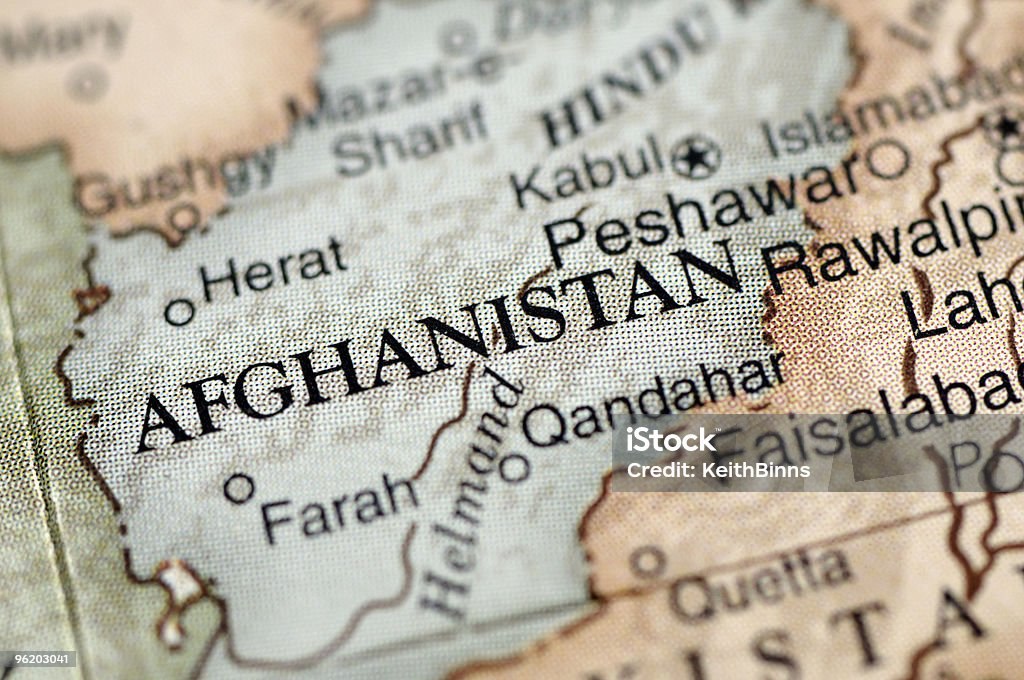
Uzbekistan has agreed to import coal from Afghanistan as part of efforts to balance bilateral trade, Tasnim News Agency reported. During a meeting in Kabul, an Uzbek delegation expressed its readiness to purchase Afghan coal, resulting in the signing of trade agreements worth $4.5 million between private companies from both countries. The discussions also covered trade privileges, plans to construct a cement plant in Afghanistan’s Samangan region, and the organization of joint exhibitions. In May 2024, Uzbekistan’s Transport Minister, Ilhom Mahkamov, led a delegation to Afghanistan, where he met with Foreign Minister Amir Khan Muttaqi. During the talks, both sides agreed that a technical team would visit Kabul to finalize the purchase of over one million tons of coal. Meanwhile, in July 2023, the Kyrgyz government raised the price of coal exported to Uzbekistan by 37%. According to the National Statistics Committee of Kyrgyzstan, from January to May 2024, Kyrgyzstan exported 302,000 tons of coal to Uzbekistan for $12.7 million—1,000 tons less than the same period in 2023, when 303,000 tons were sold for $9.2 million. Kyrgyz coal suppliers have not commented on the price increase. This week, business representatives from Uzbekistan and Afghanistan signed a $4.5 million trade agreement. Afghanistan’s Ministry of Industry and Trade announced the deal, stating that it was signed by private sector representatives from both countries.