
• KZT/USD = 0.00211
  • TJS/USD = 0.10810
  • UZS/USD = 0.00008
  • TMT/USD = 0.29760
  • KZT/USD = 0.00211
  • TJS/USD = 0.10810
  • UZS/USD = 0.00008
  • TMT/USD = 0.29760
  • KZT/USD = 0.00211
  • TJS/USD = 0.10810
  • UZS/USD = 0.00008
  • TMT/USD = 0.29760
  • KZT/USD = 0.00211
  • TJS/USD = 0.10810
  • UZS/USD = 0.00008
  • TMT/USD = 0.29760
  • KZT/USD = 0.00211
  • TJS/USD = 0.10810
  • UZS/USD = 0.00008
  • TMT/USD = 0.29760
  • KZT/USD = 0.00211
  • TJS/USD = 0.10810
  • UZS/USD = 0.00008
  • TMT/USD = 0.29760
  • KZT/USD = 0.00211
  • TJS/USD = 0.10810
  • UZS/USD = 0.00008
  • TMT/USD = 0.29760
  • KZT/USD = 0.00211
  • TJS/USD = 0.10810
  • UZS/USD = 0.00008
  • TMT/USD = 0.29760

Viewing results 1 - 6 of 2

Ukraine Says No Evidence of Role in Attacks on Tankers Loading Kazakh Oil: Statement in Full

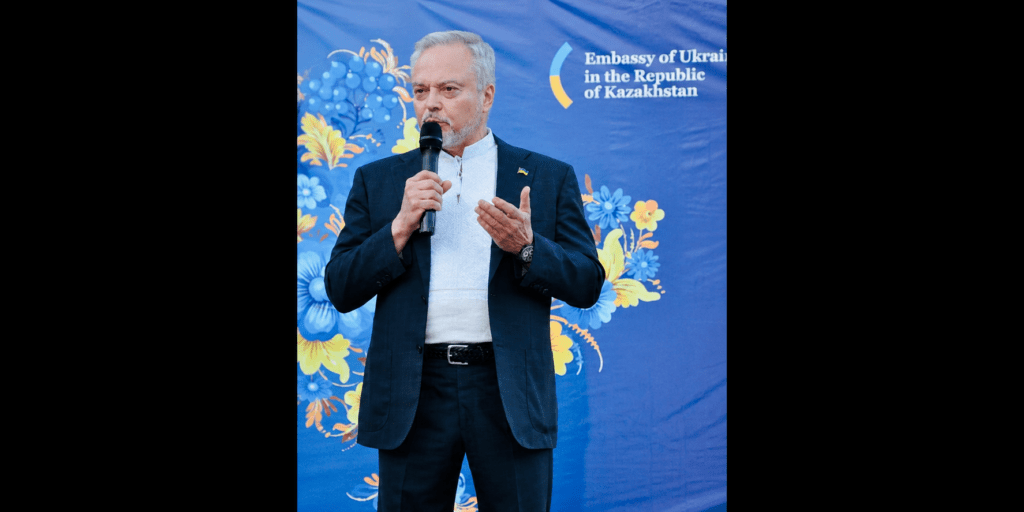
The Times of Central Asia has reported on drone attacks against tankers serving the Caspian Pipeline Consortium’s Black Sea terminal, including vessels loading Kazakh crude. Kazakhstan condemned the attacks on July 17 and 19 and called for an immediate halt. A fourth tanker, NELSA, was struck while loading on July 20. TCA asked Victor Mayko, Ukraine’s ambassador to Kazakhstan, to respond. His statement is published below in full. “Ukraine understands the concerns of the Kazakhstani side regarding the incidents that occurred on July 17 and 19 involving tankers loading Kazakhstani oil through the Caspian Pipeline Consortium’s marine terminals in the waters of the Port of Novorossiysk. Let me put it this way—we understand and share these concerns. “At the same time, I am convinced that any conclusions must be based solely on verified facts. As of today, there is no evidence whatsoever that the attacks in question were carried out by the Ukrainian side. Therefore, I ask that you refrain from making hasty and unfounded accusations, whether direct or indirect, against Ukraine. “I would like to point out that the relevant Ukrainian authorities very recently warned of the possibility of Russian provocations, including those involving the use of Ukrainian drones. We have informed our international partners that Russia is actively employing various tactics: Russian electronic warfare systems are capable of disrupting the operation of Ukrainian drones, disabling them, and, in some cases, taking control of them. “That is precisely why the possibility that the Russian side may be using such drones to carry out provocations and attempts to discredit Ukraine must be thoroughly investigated. “War always brings immeasurable suffering and grief to millions of people. But even in the midst of this immense tragedy, there are certain rules recognized by international law, and violations of these rules constitute war crimes. It is forbidden to kill civilians. It is forbidden to torture children, women, and the elderly. It is forbidden to destroy civilian infrastructure in the middle of winter, leaving millions of people without heat, water, electricity, or even shelter. It is forbidden to deliberately kill rescue workers and medical personnel who are rushing to the scene of the tragedy to help the victims. It is forbidden to shoot at ambulances transporting the seriously wounded. The use of chemical weapons, including against the civilian population, is prohibited. It is unacceptable to attack civilian ships carrying Ukrainian grain bound for countries in Southeast Asia and Africa, thereby condemning millions of people to starvation. I could go on with this tragic list. Everything listed here constitutes war crimes. And those responsible for them must inevitably be punished. “Our principled position, even against this backdrop, remains unchanged. The Armed Forces of Ukraine do not strike civilian targets, including those located on the territory of the Russian Federation. Legitimate military targets are exclusively military facilities and infrastructure that support the Russian war machine, which for more than four years now has been waging an armed, unprovoked aggression of unprecedented severity against Ukraine, its army, its...

Second Malta-Flagged Vessel Hit in Black Sea as Shipping Risks Rise

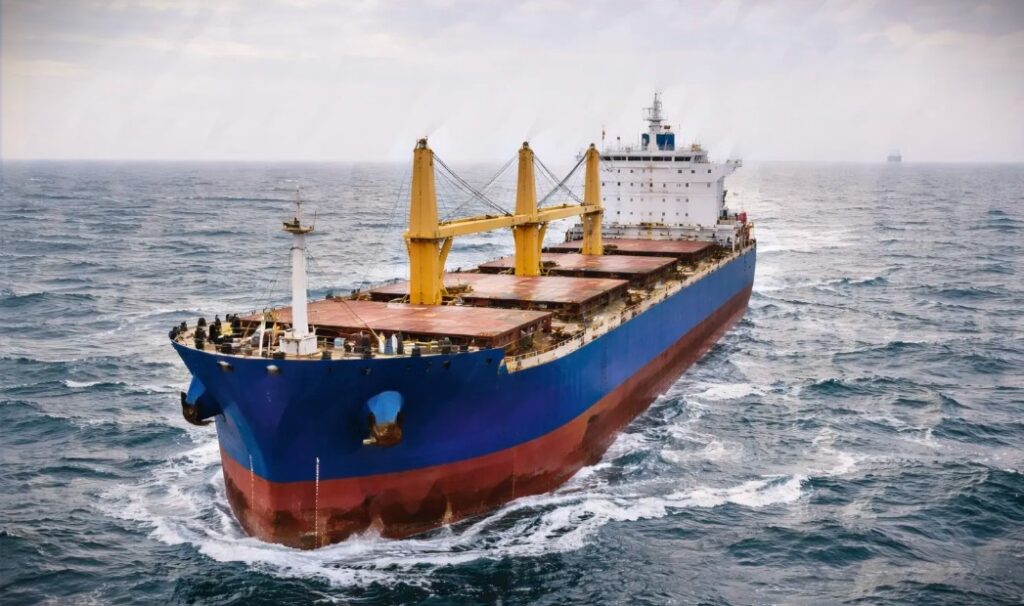
The Maltese government has officially condemned recent attacks on commercial vessels in the Black Sea after a second ship flying the Maltese flag was damaged in a missile strike. This marks the second such incident within a week involving Maltese-registered ships. A spokesperson for Malta’s Ministry of Transport confirmed that the latest vessel, a Malta-flagged commercial ship, sustained minor shrapnel damage during a missile strike targeting port infrastructure in the Black Sea. The ship remains seaworthy, although one crew member was injured. The earlier incident involved the Matilda, an oil tanker also registered in Malta and chartered by the Kazakh shipping company Kazmortransflot, a subsidiary of state-owned KazMunayGas. On January 13, according to a statement from the Russian Foreign Ministry, the Matilda was struck by two Ukrainian drones. In 2025, Kazmortransflot increased its transport volumes by more than 15% compared to 2024, reaching 51,400 DFE. The growth was attributed to rising demand for shipping along the Trans-Caspian International Transport Route. Both incidents occurred near the CPC marine terminal outside Novorossiysk. In a statement, Malta’s Ministry of Transport emphasized that attacks on commercial shipping present a serious threat to civilian seafarers, global shipping safety, and the uninterrupted flow of legitimate international trade. The ministry also noted that commercial vessels operating in conflict zones are increasingly exposed to elevated operational and insurance risks, even when transporting cargo fully compliant with international sanctions. The attacks near the CPC marine terminal have already had a measurable economic impact on shipping and energy exports. As of December 2025, insurance rates for merchant ships operating in the Black Sea had risen to 1% of a vessel’s value, up from 0.75% and 0.25% during more stable periods. Ships operating in areas of active military conflict are typically insured per voyage rather than annually, significantly raising operating expenses. Shipping and insurance analysts say the rise in insurance premiums is reducing profit margins on oil and petroleum product exports in the region. Although Kazakhstan’s export volumes have not yet been directly affected, traders and shippers are increasingly factoring geopolitical and logistical risks into their strategies. Repeated disruptions near one of Eurasia’s critical energy hubs are heightening concerns about the reliability of supply routes, especially given limited alternatives. Kazakhstan has already begun restructuring its oil export network due to disruptions at the CPC, its primary crude oil export channel. Authorities have turned to alternative infrastructure to maintain output and avoid production slowdowns.