
• KGS/USD = 0.01144 0%
  • KZT/USD = 0.00198 -0%
  • TJS/USD = 0.10903 0.18%
  • UZS/USD = 0.00008 0%
  • TMT/USD = 0.28571 0%
  • KGS/USD = 0.01144 0%
  • KZT/USD = 0.00198 -0%
  • TJS/USD = 0.10903 0.18%
  • UZS/USD = 0.00008 0%
  • TMT/USD = 0.28571 0%
  • KGS/USD = 0.01144 0%
  • KZT/USD = 0.00198 -0%
  • TJS/USD = 0.10903 0.18%
  • UZS/USD = 0.00008 0%
  • TMT/USD = 0.28571 0%
  • KGS/USD = 0.01144 0%
  • KZT/USD = 0.00198 -0%
  • TJS/USD = 0.10903 0.18%
  • UZS/USD = 0.00008 0%
  • TMT/USD = 0.28571 0%
  • KGS/USD = 0.01144 0%
  • KZT/USD = 0.00198 -0%
  • TJS/USD = 0.10903 0.18%
  • UZS/USD = 0.00008 0%
  • TMT/USD = 0.28571 0%
  • KGS/USD = 0.01144 0%
  • KZT/USD = 0.00198 -0%
  • TJS/USD = 0.10903 0.18%
  • UZS/USD = 0.00008 0%
  • TMT/USD = 0.28571 0%
  • KGS/USD = 0.01144 0%
  • KZT/USD = 0.00198 -0%
  • TJS/USD = 0.10903 0.18%
  • UZS/USD = 0.00008 0%
  • TMT/USD = 0.28571 0%
  • KGS/USD = 0.01144 0%
  • KZT/USD = 0.00198 -0%
  • TJS/USD = 0.10903 0.18%
  • UZS/USD = 0.00008 0%
  • TMT/USD = 0.28571 0%
05 December 2025

Viewing results 1 - 6 of 5

Uzbek Students Invited to First International PROD Software Engineering Competition

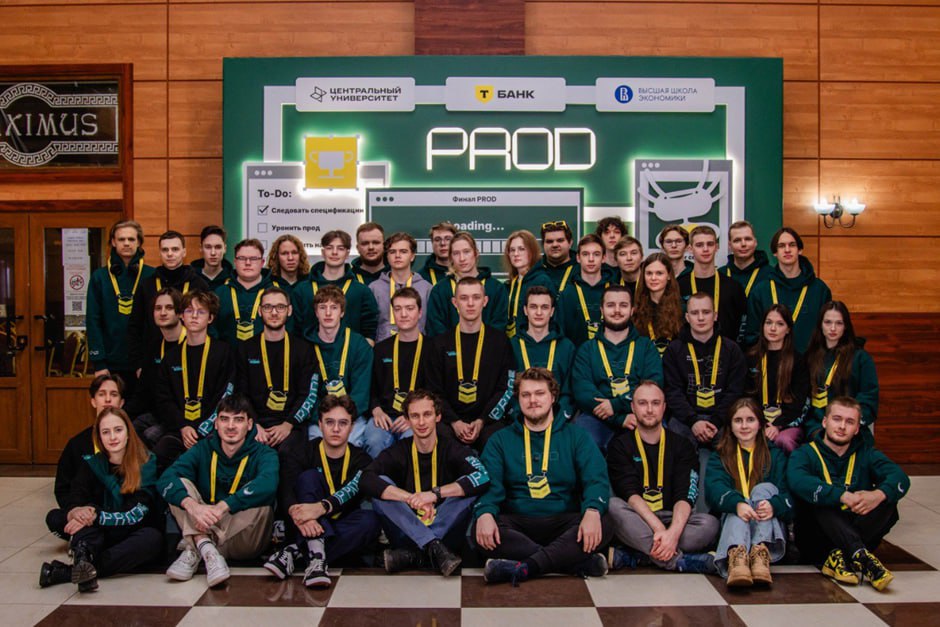
High school students in Uzbekistan are now eligible to participate in the inaugural international PROD software engineering competition, the organizers confirmed to The Times of Central Asia. The Olympiad is open to English-speaking students in grades 8–12 from any country and is designed to introduce participants to the principles of large-scale software development. It offers hands-on experience that reflects workflows used by leading global IT companies. Participants will work on real business cases, study automation in modern organizations, and develop digital solutions aimed at improving efficiency and streamlining operations. The format focuses on teamwork, analytical thinking, and cross-border collaboration. While most stages will take place online, finalists will be invited to Moscow for the team-based final stage, with accommodation and meals covered by the organizers. The competition is organized by major Russian institutions, with mentorship provided by experienced IT professionals who will guide students through the challenges and methodologies of contemporary digital product development. Registration is open until December 2 on the official PROD website. No prior programming experience is required, but participants should have a basic understanding of computer science and strong logical reasoning skills. This is the first time the competition is being held internationally, with parallel tracks in both English and Russian.

Kazakhstan’s Cotton Sector Continues to Shrink

Kazakhstan’s cotton industry is in protracted decline, with key indicators – acreage, harvest volume, and profitability – showing sustained deterioration. Analysts at Energyprom.kz report that small farms, which dominate the sector, are increasingly abandoning cotton in favor of less expensive crops. A Smallholder Sector in Crisis According to the National Statistics Bureau, raw cotton production totaled 61.2 billion KZT ($117.4 million) in 2023, down 8% in real terms from the previous year. This marked the second consecutive year of decline in the physical volume index (PVI), reflecting waning interest in cotton cultivation. The sector comprises around 25,000 agricultural enterprises and employs approximately 70,000 people. Small farms produce 91% of total output but are experiencing the steepest decline: their PVI fell to 88.6% in 2023. In contrast, large enterprises, which account for a minor share of production, saw a 50.7% increase in output. Cotton is grown exclusively in the Turkestan region, where the cultivated area has shrunk from 223,700 hectares in 2003 to just 106,400 hectares in 2023. The gross harvest last year was 301,700 tons, 35.4% less than two decades ago. Modern agricultural technologies have helped maintain relatively stable yields despite shrinking acreage. Water Shortages Undermine the Industry The Ministry of Agriculture identifies severe irrigation water shortages as the primary obstacle to cotton production. While some losses have been mitigated through drip irrigation systems, such technologies are affordable only to large or investor-backed farms. For most smallholders, cotton cultivation has become too costly, prompting a shift to alternative crops. The problem is systemic. In a parliamentary inquiry, Senator Murat Kadyrbek highlighted inadequate financing for agronomic measures and low purchase prices, which leave many farmers barely covering operating costs. Producers are seeking loan deferrals until they can secure income from harvests. Eighty-five percent of Kazakhstan’s cotton is exported as raw material, with only 15% processed domestically. Even this limited share struggles to find buyers. In 2023, domestic processing plants operated at just 19.5% of their design capacity, according to the Bureau of National Statistics. Despite the launch of new facilities, including some with foreign investment, processing remains the industry's weakest link. Rising Costs, Competitive Pressures High processing costs pose a major challenge. Processing cotton in Kazakhstan costs 150,000-170,000 KZT (approximately $300) per tonne, triple the cost in neighboring Uzbekistan and China. Compounding the issue is poor fiber quality. While the global market demands fiber lengths of 35-60 cm, Kazakh cotton typically falls in the 20-25 cm range. “To improve product quality and competitiveness, a dedicated state program for cotton development is urgently needed,” members of parliament urged. They advocate for collaborative action from both government agencies and producers to revitalize the sector.

Kyrgyz Clergy to Compete in Traffic Rules Knowledge Contest

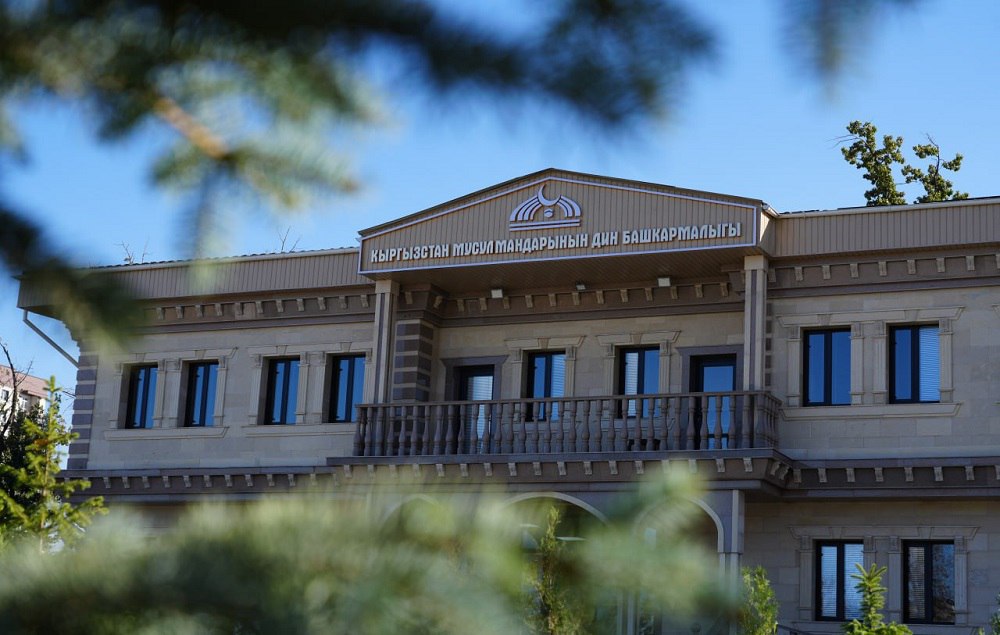
The Spiritual Administration of Muslims of Kyrgyzstan (DUMK) will hold a competition among its members to test their knowledge of traffic regulations. The participants will include mosque imams and staff from DUMK's central office, according to a statement on the Muftiate's official Facebook page. The initiative follows a recent meeting between DUMK representatives and officials from Kyrgyzstan’s Main Directorate of Road Traffic Safety (DGUOBDD). Traffic police emphasized the importance of promoting traffic rule compliance among the public, and particularly among the faithful, highlighting the clergy’s influential role in society. “To effectively promote road safety, religious leaders themselves must be well-versed in traffic laws,” said a DUMK spokesperson. “Shariah places great value on human life, which is why it mandates adherence to rules that protect it, including traffic regulations.” Addressing a Rising Crisis Traffic violations and accidents are a persistent issue in Kyrgyzstan. The DUMK noted that the National Statistical Committee records road accidents approximately every 90 minutes across the country. The situation is especially serious in rural areas. In response, the Muftiate has been conducting awareness campaigns in mosques nationwide for several years, including the ongoing “Human Life Above All” initiative aimed at reinforcing the religious imperative to safeguard life. Government Push for Compliance The clergy-led effort aligns with a broader push by the Kyrgyz government to enhance road safety. Starting in September 2025, drivers who commit traffic violations will be subject to on-the-spot knowledge tests, under a policy introduced by President Sadyr Japarov. This cooperation between religious and state institutions reflects a growing effort to integrate moral authority into public safety campaigns, particularly in a country where religious leaders remain influential community figures.
