
• KZT/USD = 0.00220
  • TJS/USD = 0.10820
  • UZS/USD = 0.00009
  • TMT/USD = 0.29850
  • KZT/USD = 0.00220
  • TJS/USD = 0.10820
  • UZS/USD = 0.00009
  • TMT/USD = 0.29850
  • KZT/USD = 0.00220
  • TJS/USD = 0.10820
  • UZS/USD = 0.00009
  • TMT/USD = 0.29850
  • KZT/USD = 0.00220
  • TJS/USD = 0.10820
  • UZS/USD = 0.00009
  • TMT/USD = 0.29850
  • KZT/USD = 0.00220
  • TJS/USD = 0.10820
  • UZS/USD = 0.00009
  • TMT/USD = 0.29850
  • KZT/USD = 0.00220
  • TJS/USD = 0.10820
  • UZS/USD = 0.00009
  • TMT/USD = 0.29850
  • KZT/USD = 0.00220
  • TJS/USD = 0.10820
  • UZS/USD = 0.00009
  • TMT/USD = 0.29850
  • KZT/USD = 0.00220
  • TJS/USD = 0.10820
  • UZS/USD = 0.00009
  • TMT/USD = 0.29850
08 September 2026

Viewing results 1 - 6 of 8

Kazakhstan Says It’s Ready to Host Azerbaijan-Armenia Talks; No Date Announced

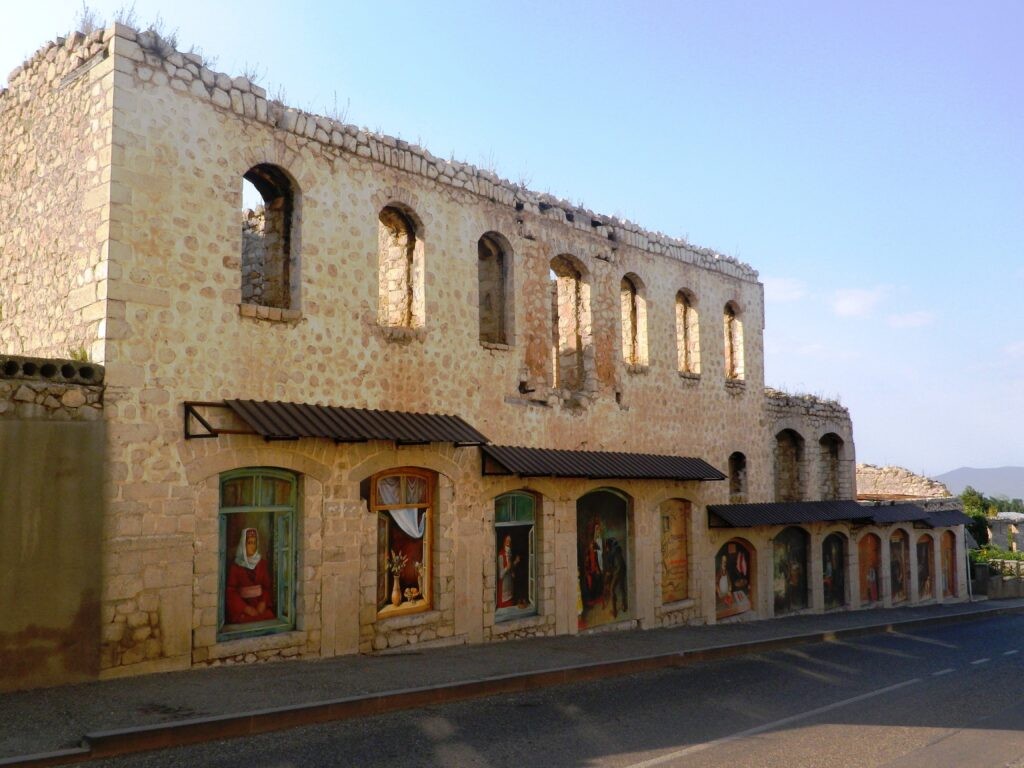
Kazakhstan’s president said on Wednesday that he hopes planned talks in Almaty between Azerbaijan and Armenia will lead to a lasting peace in the South Caucasus, though he did not provide a date for the negotiations. “I welcome the agreement between the Republic of Azerbaijan and the Republic of Armenia to hold talks at the Foreign Ministers’ level on the preparation of a peace treaty between the two states, at the suggestion of the Kazakh side,” President Kassym-Jomart Tokayev said in a statement. He said he hoped the upcoming meeting would help with the “practical implementation” of agreements between the two sides. Armenia and Azerbaijan have been locked in tension and conflict over territory since the 1990s, though the two sides have been working to delineate their borders following Azerbaijan’s retaking of control of the disputed Nagorno-Karabakh region last year. Kazakh Foreign Ministry spokesman Aibek Smadiyarov said this week that Kazakhstan is supporting the talks but will not act as mediator, according to reports in Azerbaijan and Armenia. “The upcoming negotiations will be held exclusively between the parties,” Armenian radio quoted Smadiyarov as saying. “We are not talking about Astana’s mediation, we are only providing goodwill services, the so-called good offices.” Kazakhstan benefits economically from stability in the Caucasus because it exports oil through Azerbaijan. In March, Azerbaijan’s energy minister met his counterpart in Kazakhstan to discuss boosting Kazakh oil flows via the Baku-Tbilisi-Ceyhan pipeline.

Negotiations on Syria Have Started in Kazakhstan

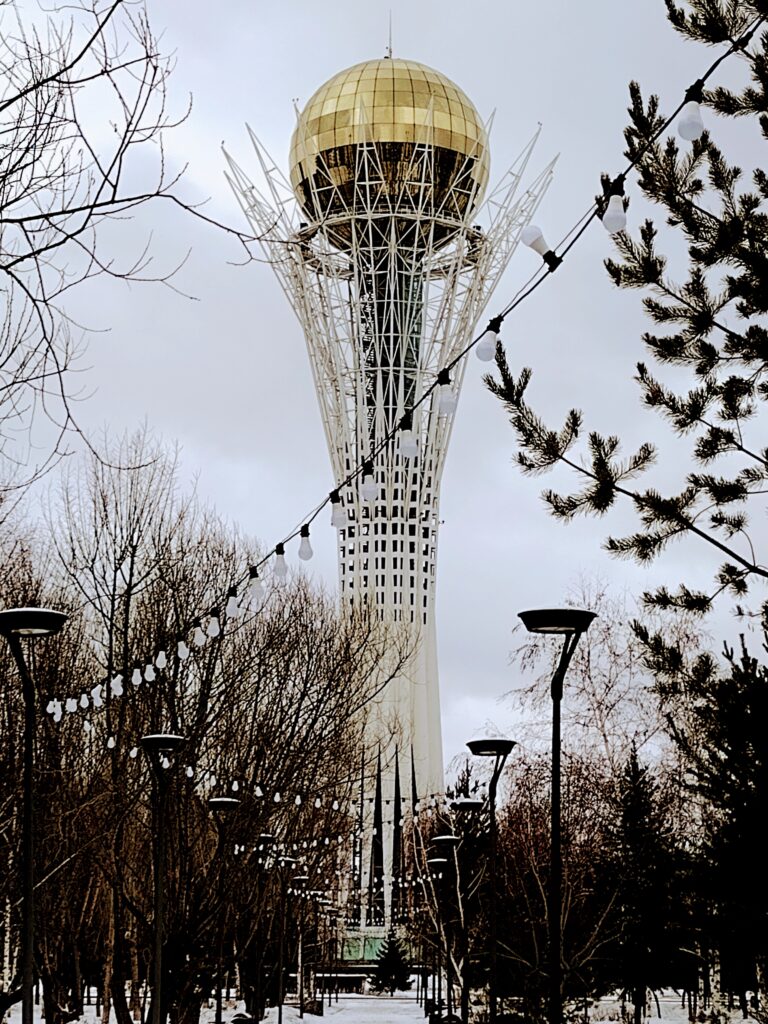
The 21st meeting of the Astana process on Syria has started in the capital of Kazakhstan. The two-day round of negotiations will continue until January 25th. The main agenda of the meeting is the development of the regional situation around Syria, efforts for a comprehensive settlement in the SAR, the humanitarian situation, and mobilization of the international community to promote post-conflict reconstruction of Syria and others. Delegates from the guarantor states of Russia, Turkey, Iran, the Syrian Government and the Syrian opposition are taking part in the negotiations, whilst representatives from Jordan, Iraq, and Lebanon are acting as observers. Last June, Astana hosted the 20th meeting on Syria, wherein representatives of the Ministry of Foreign Affairs of Kazakhstan proposed that the meeting be the last in the “Astana Process” framework, stating that the task was fulfilled and all of its goals had been realized. However, earlier this week it emerged that Kazakhstan received a collective appeal from the participants in the process to resume negotiations. The Foreign Ministry of Kazakhstan noted that Astana had not been chosen as a platform for these negotiations by chance, but because it was convenient both politically and geographically for all of the participants, whilst also enhancing Kazakhstan’s standing on the global stage. The head of the delegation from Russia, Alexander Lavrentiev, stated that Russia was one of the initiators of the resumption of this format of negotiations. "We, the guarantor countries of the ‘Astana Process’ on Syria studied this issue and came to the conclusion that Astana should remain the host platform,” Lavrentiev said. “There was a joint request from the three countries to the leadership of Kazakhstan - Turkey, Iran and Russia." Lavrentiev also noted how Kazakhstan's activity in the international arena is expanding, drawing attention to the nation’s joining the UN mission in the Golan Heights. “There, peacekeepers from our Rosgvardiya also maintain stability,” he stated. “I believe that cooperation between our countries will expand and will be useful in this area, as well. Therefore, I believe that the Astana format will remain a very effective mechanism; however, it is obvious that the settlement of the Syrian issue is still far away. The level of trust between the warring parties is still low." Kazakh political analysts noted that with its multi-vector policy, conflict resolution is one of the main concepts of Kazakhstan's foreign policy."Kazakhstan is a trusted partner,” said the scientific head of the Center for Analytical Studies, Eurasian Monitoring, Taisiya Marmontova. “The Astana platform is seen as safe and effective. Now the Arab-Israeli conflict has escalated, it can be seen as doubly commendable that Syria is making great efforts to find points of contact that will allow the opposing groups to launch a constitutional process and remove Syria from the map of hot spots in the world."