
• KGS/USD = 0.01143 0%
  • KZT/USD = 0.00207 0%
  • TJS/USD = 0.10465 0.1%
  • UZS/USD = 0.00008 0%
  • TMT/USD = 0.28571 0.28%
  • KGS/USD = 0.01143 0%
  • KZT/USD = 0.00207 0%
  • TJS/USD = 0.10465 0.1%
  • UZS/USD = 0.00008 0%
  • TMT/USD = 0.28571 0.28%
  • KGS/USD = 0.01143 0%
  • KZT/USD = 0.00207 0%
  • TJS/USD = 0.10465 0.1%
  • UZS/USD = 0.00008 0%
  • TMT/USD = 0.28571 0.28%
  • KGS/USD = 0.01143 0%
  • KZT/USD = 0.00207 0%
  • TJS/USD = 0.10465 0.1%
  • UZS/USD = 0.00008 0%
  • TMT/USD = 0.28571 0.28%
  • KGS/USD = 0.01143 0%
  • KZT/USD = 0.00207 0%
  • TJS/USD = 0.10465 0.1%
  • UZS/USD = 0.00008 0%
  • TMT/USD = 0.28571 0.28%
  • KGS/USD = 0.01143 0%
  • KZT/USD = 0.00207 0%
  • TJS/USD = 0.10465 0.1%
  • UZS/USD = 0.00008 0%
  • TMT/USD = 0.28571 0.28%
  • KGS/USD = 0.01143 0%
  • KZT/USD = 0.00207 0%
  • TJS/USD = 0.10465 0.1%
  • UZS/USD = 0.00008 0%
  • TMT/USD = 0.28571 0.28%
  • KGS/USD = 0.01143 0%
  • KZT/USD = 0.00207 0%
  • TJS/USD = 0.10465 0.1%
  • UZS/USD = 0.00008 0%
  • TMT/USD = 0.28571 0.28%

Viewing results 1 - 6 of 10

Ecologists Warn Central Asian Dams May Threaten UNESCO Heritage Site

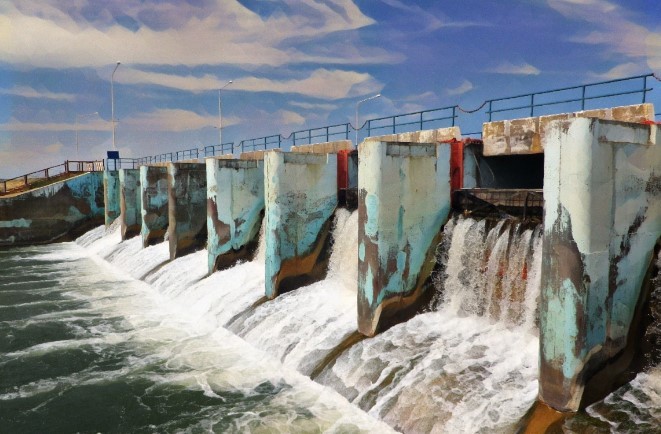
A coalition of international environmentalists is sounding the alarm over the impact of large-scale dam construction in Central Asia, warning that it could cause irreversible harm to the Western Tien Shan, a UNESCO World Heritage Site jointly shared by Kazakhstan, Kyrgyzstan, and Uzbekistan. Dam Projects Multiply Across Region According to a recent report by the coalition Rivers Without Boundaries, dozens of new hydropower projects are either in development or under construction across the region. The group says this wave of dam-building poses a significant threat to the unique ecosystems and biodiversity of the Western Tien Shan, which was inscribed on the UNESCO World Heritage List in 2016 due to its exceptional natural value. The report identifies more than five dams already constructed in recent years, with an additional 15 to 40 projects currently in the pipeline. These developments are affecting key river systems, including the Chatkal, Ugam, Pskem, and Aksu, which play a vital role in sustaining the region’s delicate ecological balance. Protected Areas Under Pressure Some of the most contentious projects are unfolding inside or near designated conservation zones. In Kyrgyzstan, a dam is planned within the Besh-Aral Nature Reserve, while gold mining activities have already degraded parts of the Chatkal River valley. In Kazakhstan, officials are considering a series of dams in Sayram-Ugam National Park. Uzbekistan is also pressing ahead with new hydropower schemes, including one on the Pskem River, drawing criticism from environmental advocates. “Short-term economic goals are being prioritized over the long-term need to protect this globally important natural area,” said Eugene Simonov, international coordinator of Rivers Without Boundaries. He urged UNESCO and the broader international community to intervene before further damage is done. Threats to Rare Species and Ecosystems Environmentalists argue that dam construction is fragmenting river systems and isolating animal habitats, particularly those of rare and endemic species. The snow leopard and several native fish species are among the wildlife at risk. Floodplain forests and wild fruit tree habitats, critical components of the area’s biodiversity, are also under threat. Alexander Kolotov, regional director of Rivers Without Boundaries, highlighted the dangers of building dams within protected national parks. “We are not properly measuring the impact on fish and river ecosystems,” he said. “If this continues, we could lose many species forever.” Legal and Diplomatic Concerns The group further contends that several dam projects may be violating international agreements, including the World Heritage Convention and the Espoo and Aarhus Conventions. These treaties require environmental impact assessments, public consultation, and cross-border cooperation, all of which may be lacking or inadequately implemented. Rivers Without Boundaries has formally petitioned UNESCO to add the Western Tien Shan to its List of World Heritage in Danger. The proposal is expected to be reviewed at the UNESCO World Heritage Committee session scheduled for July 2025. Previously, Evgeny Vinokurov, Vice-Chairman and Chief Economist of the Eurasian Development Bank, issued a stark warning about Central Asia’s looming water and energy crisis, noting that regional development must be carefully balanced with environmental protection.

Kazakhstan Reports Another Big Jump in Saiga Antelope Numbers

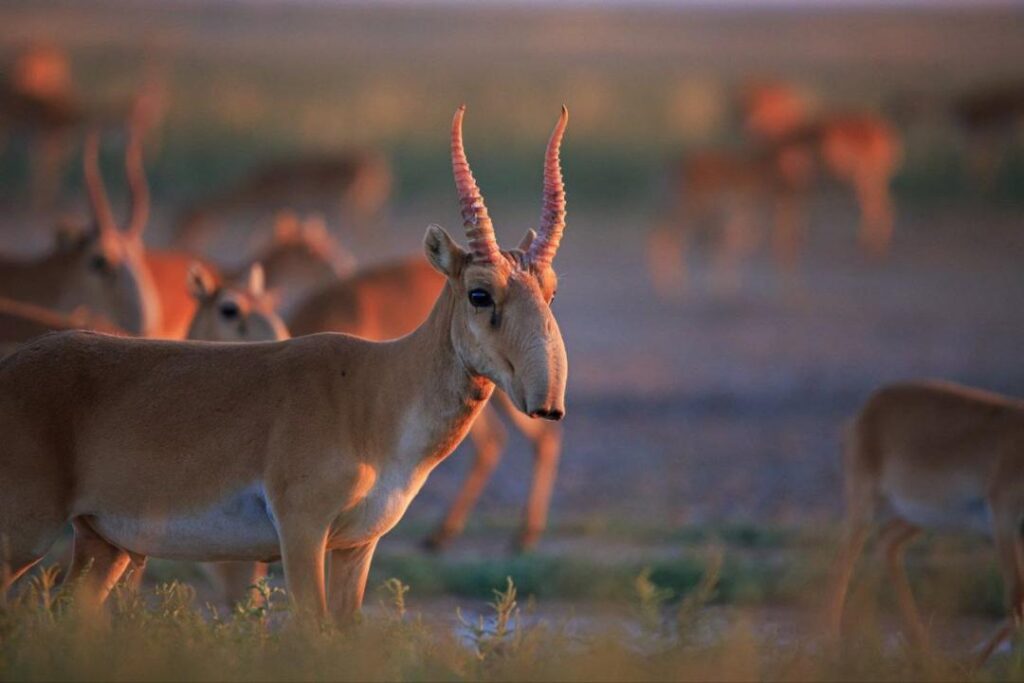
The number of saiga antelopes in Kazakhstan has surged to an estimated 2,833,600, an increase of well over 40% since last year, according to an aerial survey conducted between mid-April and May 1. The total number is likely to be much higher because the study was done before the calving season in May The new data represents another step in the extraordinary comeback of a species whose numbers were estimated at 20,000 in 2003 and then, after a period of growth, suffered another big population crash because of a bacterial disease outbreak in 2015. A reduction in poaching and the expansion of land earmarked for conservation helped the species recover in Kazakhstan, though saigas are vulnerable to several diseases and extreme weather. Some farmers say ballooning saiga numbers threaten their crops and the government has explored mass kills and other ways to regulate the population. Helicopters were used to count the antelopes over an area of about 150,000 square kilometers this year, logging 215 flight hours as they flew at a steady altitude of 120 meters, according to the Altyn Dala Conservation Initiative, which aims to restore the Kazakh steppe ecosystem. It said state agencies were involved and the science - survey route plans, data collection and result processing – was carried out by the Association for the Conservation of Biodiversity of Kazakhstan. “These annual figures are made using the same methodology which is well established,” the conservation initiative said on June 3. “They are derived by extrapolation and primarily reflect the trend in the species’ numbers, i.e. an increase of over 40%, and the approximate number. These data were obtained in April 2024, before calving, which took place in May, so now, by the beginning of June, considering the successful breeding season, the number of the species will have almost doubled.” The surveys were carried out in the regions of West Kazakhstan, Mangistau, Akmola, Aktobe, Kostanay, Karaganda, Ulytau, Pavlodar and Abay. The dry steppe grasslands and semi-arid deserts of Central Asia are the saiga’s natural habitat. The vast majority of saigas are in Kazakhstan; Russia and Mongolia have small populations. Saigas from Kazakhstan have migrated in and out of Uzbekistan, sometimes reaching Turkmenistan. But such cross-border movements have dropped. The number reaching Uzbekistan has declined, partly because a border fence was built, and saigas haven’t been seen in Turkmenistan for several years, according to the IUCN Red List of Threatened Species. IUCN stands for International Union for Conservation of Nature, a group based in Switzerland. Last year, the saiga’s conservation status on the red list was upgraded from “critically endangered” to “near threatened” because of its population gains. Saiga females start to breed when they are only eight months old and they often give birth to twins.