• KGS/USD = 0.01143 0%
  • KZT/USD = 0.00212 0%
  • TJS/USD = 0.10718 -0.09%
  • UZS/USD = 0.00008 0%
  • TMT/USD = 0.28571 0%
  • KGS/USD = 0.01143 0%
  • KZT/USD = 0.00212 0%
  • TJS/USD = 0.10718 -0.09%
  • UZS/USD = 0.00008 0%
  • TMT/USD = 0.28571 0%
  • KGS/USD = 0.01143 0%
  • KZT/USD = 0.00212 0%
  • TJS/USD = 0.10718 -0.09%
  • UZS/USD = 0.00008 0%
  • TMT/USD = 0.28571 0%
  • KGS/USD = 0.01143 0%
  • KZT/USD = 0.00212 0%
  • TJS/USD = 0.10718 -0.09%
  • UZS/USD = 0.00008 0%
  • TMT/USD = 0.28571 0%
  • KGS/USD = 0.01143 0%
  • KZT/USD = 0.00212 0%
  • TJS/USD = 0.10718 -0.09%
  • UZS/USD = 0.00008 0%
  • TMT/USD = 0.28571 0%
  • KGS/USD = 0.01143 0%
  • KZT/USD = 0.00212 0%
  • TJS/USD = 0.10718 -0.09%
  • UZS/USD = 0.00008 0%
  • TMT/USD = 0.28571 0%
  • KGS/USD = 0.01143 0%
  • KZT/USD = 0.00212 0%
  • TJS/USD = 0.10718 -0.09%
  • UZS/USD = 0.00008 0%
  • TMT/USD = 0.28571 0%
  • KGS/USD = 0.01143 0%
  • KZT/USD = 0.00212 0%
  • TJS/USD = 0.10718 -0.09%
  • UZS/USD = 0.00008 0%
  • TMT/USD = 0.28571 0%

Viewing results 1 - 6 of 15

U.S. Scholar Wins Copyright Case in Uzbekistan Over Unauthorized Distribution of Bygone Days Translation

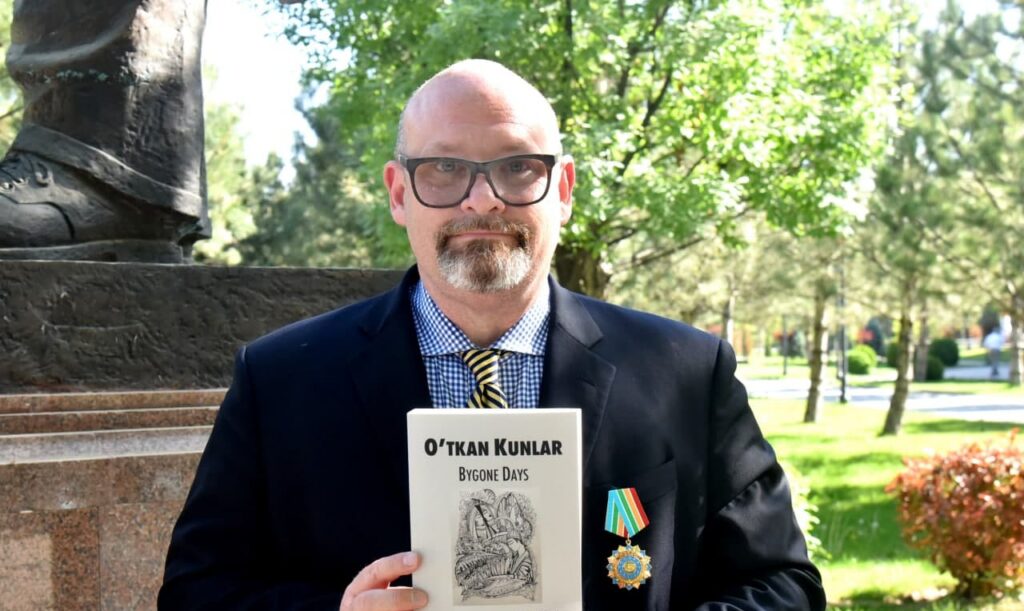
American translator and scholar Mark Reese has won a copyright infringement case in Uzbekistan after a court ruled that his translated work had been distributed without permission. According to Uzbekistan’s Ministry of Justice, the Uchtepa Interdistrict Court for Civil Cases in Tashkent ordered an employee of the Uzbekistan State World Languages University (UzSWLU) to pay 20.6 million Uzbekistani som (approximately $1,700) in compensation to Reese for violating his copyright. The ruling follows a lawsuit filed by Reese in April seeking damages caused by the unauthorized use of his intellectual property. The dispute centers on Reese’s English translation of O‘tkan Kunlar (Bygone Days), the landmark novel by renowned Uzbek writer Abdulla Qodiriy. Reese spent more than 15 years translating the work, producing the first English-language edition of a book widely considered a cornerstone of Uzbek literature. Earlier, Reese appealed to Uzbekistan’s Ministry of Justice after discovering that an electronic version of his translation was allegedly being distributed without authorization. Following an investigation, officials found evidence of copyright violations at the university. Administrative proceedings were launched against a responsible employee under Article 177¹ of Uzbekistan’s Administrative Responsibility Code. In a previous court decision, the employee was fined 2.06 million som (approximately $170), while the university was ordered to remove the electronic copy of the translated work from the Unilibrary.uz platform. Under Uzbek law, copyright holders may seek compensation ranging from 20 to 1,000 times the base calculation amount instead of claiming direct damages. The case has drawn attention because of Reese’s long-standing ties to Uzbekistan. The American scholar first arrived in the country as a Peace Corps volunteer in the 1990s and later devoted years to translating Uzbek literary works for international audiences. In 2019, Uzbekistan awarded Reese the Order of Friendship for his contributions to promoting Uzbek culture abroad. During later visits, he donated signed copies of Bygone Days to universities and state institutions. Speaking previously to The Times of Central Asia, Reese said recipients had been informed that the copies were not to be reproduced or redistributed. “All parties asked how they could support my work,” Reese added. “I presented a copy and explained that they could purchase more at a steep discount.”


Swiss Court Opens Long-Running Case Against Gulnara Karimova

A large-scale corruption case involving Gulnara Karimova, the daughter of Uzbekistan's last president Islam Karimov, is set to go to trial on April 27 at the Federal Criminal Court in Bellinzona, Switzerland, according to a Finews report and official Swiss sources. The proceedings mark a significant step in a case that has spanned nearly two decades. The case centers on allegations by Switzerland’s Office of the Attorney General (OAG), which claims that Karimova built and operated a network referred to as the “Office.” According to prosecutors, the group extorted bribes from international telecommunications companies seeking access to the Uzbek market. The alleged activities date back to the late 2000s. The investigation formally began in 2012, when Swiss authorities opened criminal proceedings against Karimova and a business associate. They face accusations including corruption, participation in a criminal organization, and money laundering. In 2015, the probe expanded to include a former banker at Lombard Odier in Geneva, accused of managing accounts linked to the network between 2008 and 2012. While the bank itself is not charged with direct wrongdoing, the court is examining whether it fulfilled its obligations to prevent financial misconduct. Under Swiss law, this falls under corporate criminal liability. Similar cases have previously led to penalties against institutions such as Credit Suisse and Banque Pictet & Cie. One of the most notable aspects of the case is its length and complexity. Although the alleged offenses date back more than 15 years, proceedings were only consolidated in May 2025, when the court merged separate investigations that had been handled independently for years. The case has also involved unusual procedural steps. In early 2026, Swiss judges traveled to Tashkent to question Karimova, who has been imprisoned there since 2014. According to reports, the questioning took place under strict conditions, with questions relayed through Uzbekistan’s Prosecutor General’s Office rather than asked directly. These limitations have raised concerns among legal experts about whether the testimony meets Swiss evidentiary standards. Further uncertainty surrounds the trial itself. It remains unclear whether the main defendants will appear in court. Karimova is not expected to attend in person due to her imprisonment, and the whereabouts of her co-defendant have not been confirmed. Swiss authorities note that cases of this kind are often resolved through penal orders without a full trial. However, in this instance, the OAG has opted for court proceedings, indicating that key facts remain contested. The trial is expected to examine both the allegations and the conduct of the investigation, though its outcome remains uncertain.

Kyrgyz Bank Wins Brussels Court Case Over Sanctions Accusations

Kyrgyzstan's Bakai Bank has announced victory in a Brussels court case against the non-governmental organization Open Dialogue Foundation (ODF), which had previously published materials calling for sanctions against the bank. The court said the allegations were not supported by sufficient evidence. According to the bank, it filed the lawsuit to protect its business reputation after the Open Dialogue Foundation published materials in 2023 calling for sanctions against the financial institution to be considered. The ODF publications alleged that the bank may have been involved in schemes to circumvent European Union anti-Russian sanctions. Bakai Bank denied these allegations and initiated legal proceedings in Brussels. According to the bank’s statement and reporting on the ruling, a Brussels court held that ODF had made serious allegations without sufficient evidence. As a result, the court ordered the organization to remove the relevant publications, publish the text of the court decision on the main page of its website, and reimburse legal costs. At the time of publication, the Open Dialogue Foundation had not publicly commented on the court's decision. Bakai Bank stated that the court's decision stands as confirmation of the allegations' groundlessness. "We welcome this decision, which confirms the lack of basis for the charges and protects the bank's business reputation. We consistently comply with international law and adhere to the principles of transparency in our operations," the bank's representatives said. Askat Alagozov, press secretary to the President of Kyrgyzstan, commented on the situation on social media. He noted that this is not the first time Kyrgyz banks have faced accusations of evading sanctions. Specifically, Keremet Bank has been sanctioned by the United States and the United Kingdom, while Capital Bank of Central Asia, also known as Kapital Bank, has been sanctioned by the United Kingdom. According to Alagozov, such measures are accusatory in nature, and no public evidence of violations has been presented. He also added that President Sadyr Japarov previously rejected such accusations and stated the country's readiness to conduct an independent international audit of the banking sector. Moreover, Capital Bank of Central Asia, one of the banks targeted by sanctions, is state-owned.

Appeals Filed Against Life Sentences in Crocus City Hall Attack Case

Lawyers representing those convicted of carrying out the 2024 attack at Crocus City Hall have filed appeals against the court’s verdict, arguing that the sentences are excessively harsh, Russian state media reported. According to Russia’s state news agency TASS, defense attorneys have submitted initial appeals on behalf of the main perpetrators and several accomplices following a ruling by the 2nd Western District Military Court. Earlier, the Russian outlet RBC reported that the four gunmen who carried out the attack were sentenced to life imprisonment. The court ruled that they would serve extended initial terms in prison under the strictest conditions before being transferred to high-security penal colonies. In addition to life sentences, the defendants were ordered to pay fines of nearly 1 million rubles (approximately $12,139) each. The court also handed down severe sentences to a number of accomplices. Several received life terms, while others were given lengthy prison sentences of more than 20 years. Financial penalties imposed on accomplices ranged from hundreds of thousands to several million rubles. The attack took place on March 22, 2024, in Krasnogorsk, in the Moscow Region. According to investigators, armed assailants entered the concert venue, opened fire on the audience, and set the building on fire. The assault left 149 people dead and more than 550 injured, and the venue was largely destroyed. During the trial, which lasted around seven months, prosecutors had requested life sentences for the main perpetrators along with substantial fines. They argued that the defendants had undergone training for terrorist activities, illegally handled weapons, and participated in a terrorist organization. At the same time, lawyers representing victims expressed dissatisfaction with parts of the ruling. As cited by RBC, some legal representatives said they had sought even stricter prison conditions for the perpetrators, including longer periods in high-security prisons before transfer to penal colonies. Under Russian law, sentences served in prisons differ significantly from those served in penal colonies. Prison regimes are typically stricter, with limited visitation rights, reduced access to parcels, and tighter daily controls. Both the defense and representatives of victims are now seeking to challenge aspects of the verdict through the appeals process.

German Court Restricts Media Claims About Russian-Uzbek Billionaire Alisher Usmanov

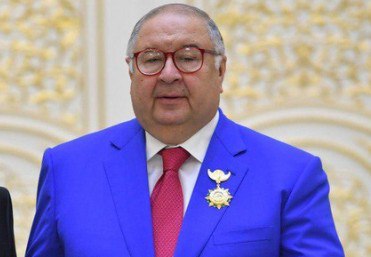
A German court has ruled in favor of Russian-Uzbek billionaire Alisher Usmanov, barring the publication of several contested statements made about him by the Frankfurter Allgemeine Zeitung (FAZ), according to court documents cited by Reuters. In a decision dated January 23, the Hamburg Regional Court prohibited FAZ from further disseminating specific sections of its April 2023 article titled On the Kremlin’s Instructions. The statements in question allegedly linked Usmanov to senior Russian officials. The court determined that these claims may no longer be repeated in their current form. Usmanov, who was born in Uzbekistan, has an estimated net worth of $18.8 billion, according to the Bloomberg Billionaires Index. He is subject to European Union and United States sanctions, including a travel ban, imposed following the start of the war in Ukraine. Over the past two years, he has launched multiple legal challenges in European courts, contesting media reports that he argues were used as justification for the sanctions. Reacting to the ruling, Usmanov’s lawyer, Joachim Steinhöfel, said the statements banned by the court “repeated essential parts of the reasoning behind the sanctions against Mr. Usmanov.” He added that the decision supports the argument that the sanctions were based on what he described as “defamatory and groundless allegations,” Reuters reported. FAZ said it is considering an appeal. A spokesperson for the newspaper warned that the court’s legal criteria could make it more difficult to report on individuals in authoritarian systems, raising broader concerns about press freedom. Separately, in 2024, another Hamburg court ruled against the German broadcaster ARD over a report that linked Usmanov to a scheme involving alleged bribes to judges at the International Fencing Federation. The court banned further distribution of the report, describing it as “news based on suspicion.” Violations of the order could lead to fines of up to €250,000 per incident or imprisonment. Reuters also reported that German authorities agreed last month to close a foreign trade law investigation involving Usmanov after he paid €10 million. A separate money laundering probe was dropped in 2024.