
• KGS/USD = 0.01144 0%
  • KZT/USD = 0.00200 0%
  • TJS/USD = 0.10494 0%
  • UZS/USD = 0.00008 0%
  • TMT/USD = 0.28490 0%
  • KGS/USD = 0.01144 0%
  • KZT/USD = 0.00200 0%
  • TJS/USD = 0.10494 0%
  • UZS/USD = 0.00008 0%
  • TMT/USD = 0.28490 0%
  • KGS/USD = 0.01144 0%
  • KZT/USD = 0.00200 0%
  • TJS/USD = 0.10494 0%
  • UZS/USD = 0.00008 0%
  • TMT/USD = 0.28490 0%
  • KGS/USD = 0.01144 0%
  • KZT/USD = 0.00200 0%
  • TJS/USD = 0.10494 0%
  • UZS/USD = 0.00008 0%
  • TMT/USD = 0.28490 0%
  • KGS/USD = 0.01144 0%
  • KZT/USD = 0.00200 0%
  • TJS/USD = 0.10494 0%
  • UZS/USD = 0.00008 0%
  • TMT/USD = 0.28490 0%
  • KGS/USD = 0.01144 0%
  • KZT/USD = 0.00200 0%
  • TJS/USD = 0.10494 0%
  • UZS/USD = 0.00008 0%
  • TMT/USD = 0.28490 0%
  • KGS/USD = 0.01144 0%
  • KZT/USD = 0.00200 0%
  • TJS/USD = 0.10494 0%
  • UZS/USD = 0.00008 0%
  • TMT/USD = 0.28490 0%
  • KGS/USD = 0.01144 0%
  • KZT/USD = 0.00200 0%
  • TJS/USD = 0.10494 0%
  • UZS/USD = 0.00008 0%
  • TMT/USD = 0.28490 0%

Viewing results 1 - 6 of 4

Kyrgyzstan’s Creative Industries Park: Inside the Country’s Latest Artistic “Miracle”

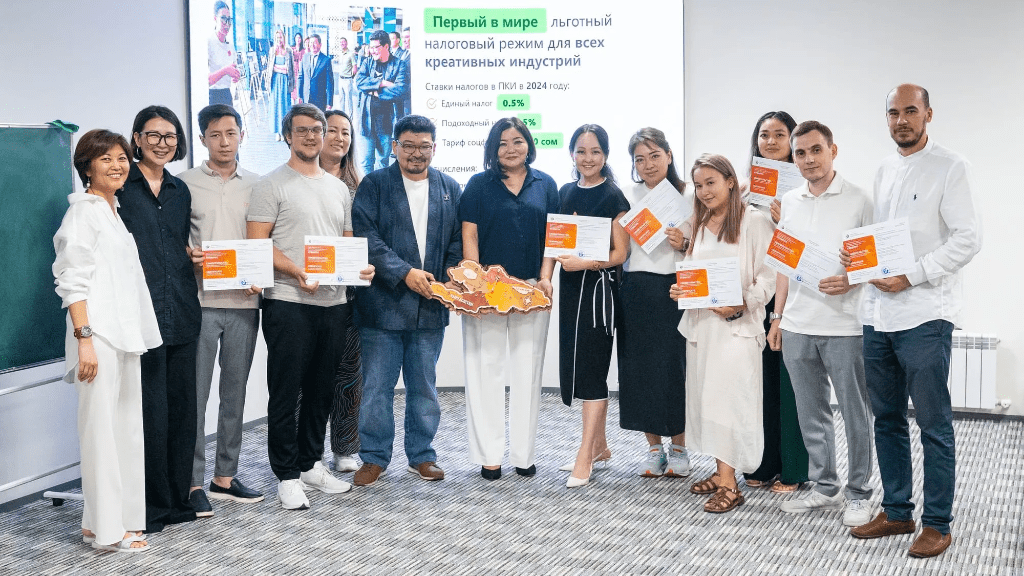
Kyrgyz cinema in the 1960s to 1970s was sometimes referred to as the ‘Kyrgyz Miracle’, for the number of great pieces that were made during this time. This is still symbolic today, as the country is now in another ‘miracle’ era for the creative industries, which is setting an example not just for the Central Asia region, but globally.  In 2023 Daniyar Amanaliev, Co-Founder of an art studio named ololo and Chairman of the Supervisory Board of the Creative Industries Park, told Deutsche Welle: “We have a very small country. When you start a business here, it's very difficult to start making money because the market is so small. And our innovators are people who are involved in creative businesses. Almost all of these companies have intangible products that cannot be stopped at customs or sealed in a warehouse. Everything is in people's heads, on computers, in the cloud, and this is exactly the kind of business model that can thrive in the Kyrgyz Republic”. This story starts with Ololo, a small art studio in Bishkek founded in 2016 by Daniar Amanaliev, Ainura Amanalieva, Atai Sadybakasov, and Victoria Yurtaeva. The initial idea was to change the lifestyle of Kyrgyz citizens, enriching their lives with different forms of art, and let them pursue the dreams of their youth. The studio provided a wide range of art classes with no age restrictions. The company soon switched its business model to operating creative hubs. Yurtaeva soon left the project. Fast forward nine  years and in 2025 Ololo is the largest chain of creative hubs in Central Asia, with nine locations in Kyrgyzstan and an upcoming launch of their tenth location in Kazakhstan. In October 2021 Ololo was crucial to the launch of the Association of Creative Industries of the Kyrgyz Republic, together with eight other companies from the creative industries. Starting as a modest group, the association is now among the most active associations in the country, with over 50 member companies representing over 20 creative industries. In April 2022 the country’s President Sadyr Japarov signed an Order on the development of the creative industries. He even visited the very first Create4 creative industries festival later that year. Kyrgyzstan’s Creative Industries Park (CIP) came into being in summer 2022. Almost a year later, the relevant amendments to the national Tax Code were approved. In June 2023 a government order regulating the operations of the Creative Industries Park was adopted. And, finally, the register of industries exempt from taxes under the Creative Industries Park were defined in December of 2023.  While it may seem easy from the outside, the Association of Creative Industries had to deal with significant pushback from various government agencies and officials, who did not believe in the potential of the creative industries. It took almost three years to complete the process and only in 2024, three years after the association was founded, did the Creative Industries Park become operational. In February 2024 a Supervisory Board was appointed. CIP’s Management was...

Behind the Scenes in Hollywood: Kyrgyz Screenwriter Guljan Toktogul on the Industry Without the Glamour

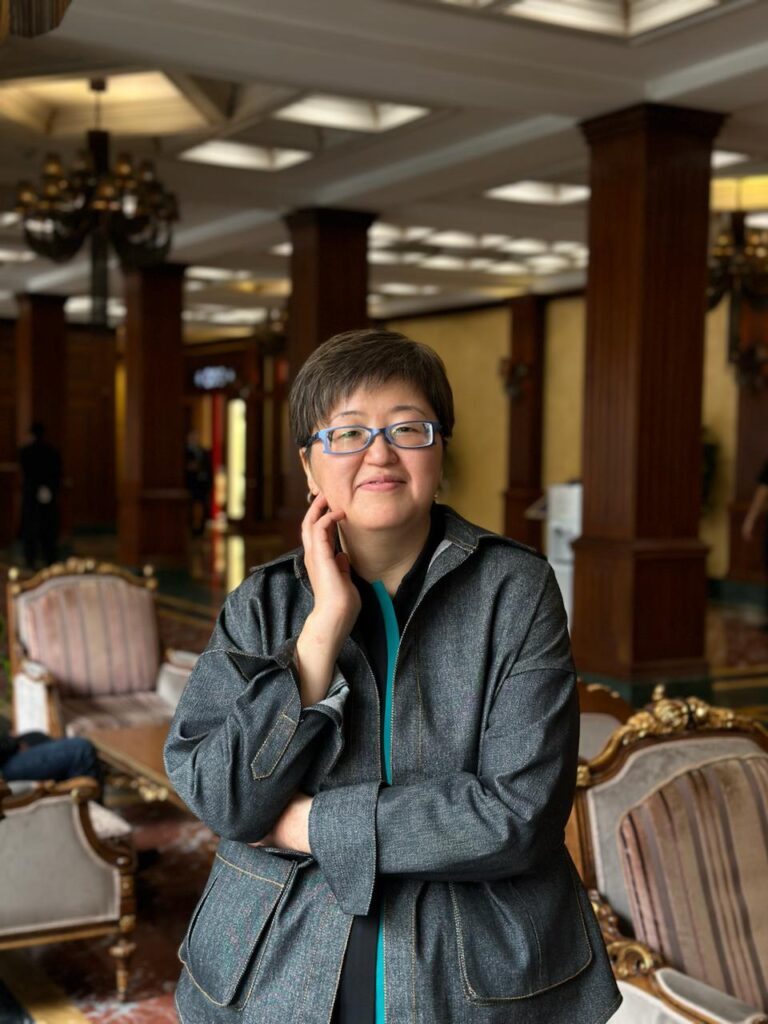
Screenwriter Guljan Toktogul spent nearly a decade in Hollywood. She wrote the script for the movie Salam, New York, about a Kyrgyz man adapting to life in America, and also has writing credits for the short films I'll Be A Star and Alexandra. A graduate of the American Film Institute (AFI), she now plans to continue her screenwriting career in her native Kyrgyzstan, having recently returned to Bishkek. The Times of Central Asia spoke with Toktogul about how screenwriters sell scripts in the U.S., how much they earn, what the bidding process entails, and whether it’s all worth it. TCA: What was it like living in Hollywood? Did it ever feel like home? Toktogul: It became comfortable, but not immediately, only after I built some connections. I first arrived in the U.S. in 2016 with my brother, who was there for work. We lived in Washington, D.C. for two years. When he left, I suddenly felt anxious. The thought of being alone so far from family, literally a day’s flight away, was overwhelming. I cried. But when I moved to L.A., completed a semester, and made friends, things improved quickly. I was lucky to be studying screenwriting at film school. TCA: Did the school feel like a second family? Toktogul: Exactly. Writing and working together means sharing deeply personal memories and thoughts, so people bond much faster than in everyday life. The school created a very supportive environment, full of people just as obsessed with film as I was. You live and breathe cinema, nothing else seems to matter. TCA: How are screenwriters treated in the U.S. compared to Central Asia? Toktogul: In the U.S., screenwriters are respected, but still often in the background. Producers and directors are the main creative forces. That’s why many screenwriters eventually try directing, to retain more control. You hand over your script, but what happens next is out of your hands. We don’t just write randomly, there’s meaning in every scene. When a script is mishandled on set, it’s painful. Many screenwriters avoid being on set for that reason. TCA: Are screenwriters usually present during filming? Toktogul: Yes, and rightly so. Unexpected problems always arise, maybe an actor drops out or a location falls through, so changes must be made on the spot. This is especially true for low-budget projects. I once worked on an indie film in Chicago and realized just how crucial a screenwriter’s presence can be. TCA: But aren’t things in the U.S. locked down by contracts before filming begins? Toktogul: Only if you're someone like Aaron Sorkin. He insists on filming scripts exactly as written. He’s known for demanding that actors deliver 10 pages of dialogue in nine minutes with no cuts. And it works, his dialogue has a musical quality. But most writers aren’t in that position. Ideally, scripts would be treated with more care. We’re not trying to take over, we just want the best version of the story to be told. TCA: Were you a member of...