Kyrgyzstan Proposes Blogger Tax Breaks as Kazakhstan Tightens Scrutiny
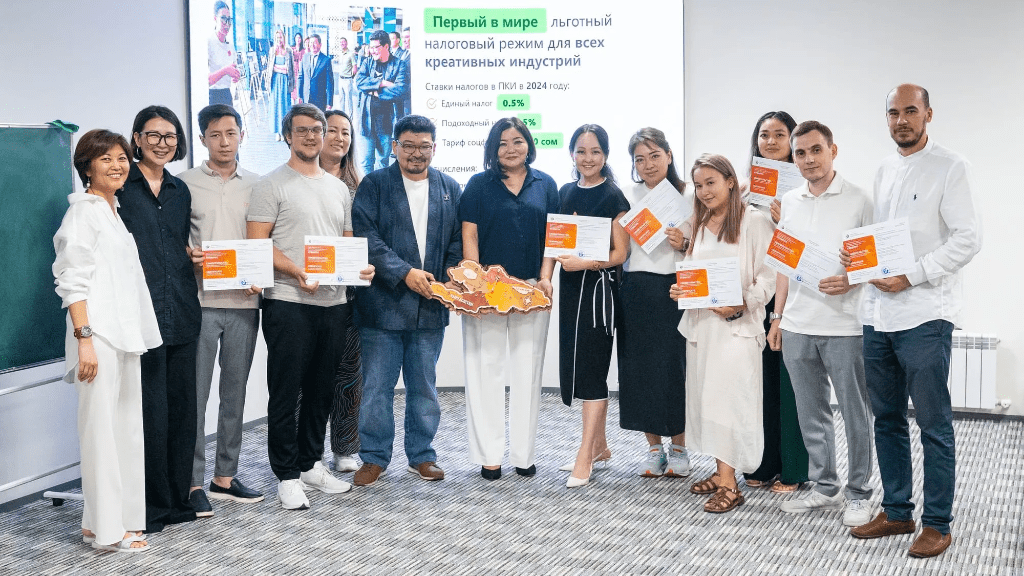
Kyrgyzstan and Kazakhstan are taking sharply different approaches to the growing influence of bloggers. In Bishkek, President Sadyr Japarov has signed a decree calling for tax incentives for the IT sector, startups and creative industries, including bloggers, a move that has sparked criticism even from content creators themselves. In Astana, meanwhile, authorities are intensifying scrutiny of influencers’ income and using criminal law in high-profile cases involving online figures. Kazakh tax authorities have continued scrutinizing the earnings of popular bloggers, alongside high-profile enforcement cases. In addition, journalists and other online voices in Kazakhstan have faced prosecution under Article 274 of the Criminal Code, which concerns the dissemination of knowingly false information and carries the possibility of a prison sentence. Japarov’s Tax Initiative Sparks Debate Kyrgyz President Sadyr Japarov’s initiative to introduce tax breaks for the IT sector, startups, and representatives of the creative industries has sparked broad public debate. The decree, signed on June 12 and titled “On Measures to Improve the Tax System and Tax Administration,” calls for broad changes to tax legislation, including five-year tax holidays for several categories of business. Under the decree, companies and entrepreneurs working in software development, information systems, and artificial intelligence may be exempt from number of taxes for five years. The proposed benefits would also extend to startups, outsourcing companies, producers of film, video and television content, bloggers, remote employees of foreign companies, and other creative-industry workers. Under the same preferential regime, authorities also plan to set income tax at 5% and social security contributions at 12% of the average monthly wage for these categories. Kyrgyzstan’s State Tax Service says the new measure will help position the country as a regional center for IT and creative industries, including artificial intelligence. The agency expects the tax incentives to attract investment, stimulate the creation of new startups and increase exports of digital services. Supporters of the initiative argue that reducing the tax burden could provide an important boost for young entrepreneurs and technology companies, allowing them to direct more resources toward product development, the introduction of new technologies, and improved competitiveness. Authorities also hope the measure will help retain young specialists in the country and make Kyrgyzstan more attractive to international companies. At the same time, the proposal has drawn criticism, particularly over the inclusion of bloggers among those eligible for tax benefits. Social media users have questioned why the state is granting tax breaks to content creators while doctors, teachers, and other socially important professions continue to pay taxes in full. Kyrgyz blogger and entrepreneur Ilim Karypbekov has publicly opposed exempting bloggers from taxes. He said content creators earning money from advertising should pay taxes on the same basis as other entrepreneurs. Karypbekov said he supports tax incentives for the IT sector but believes it is a mistake to extend them to bloggers. “If I earned 100 soms, I would give four soms to the state. That is a very small amount,” Karypbekov said, adding that many popular bloggers generate substantial advertising revenue and...