• KGS/USD = 0.01144 0%
  • KZT/USD = 0.00205 0%
  • TJS/USD = 0.10782 0%
  • UZS/USD = 0.00008 0%
  • TMT/USD = 0.28490 0%
  • KGS/USD = 0.01144 0%
  • KZT/USD = 0.00205 0%
  • TJS/USD = 0.10782 0%
  • UZS/USD = 0.00008 0%
  • TMT/USD = 0.28490 0%
  • KGS/USD = 0.01144 0%
  • KZT/USD = 0.00205 0%
  • TJS/USD = 0.10782 0%
  • UZS/USD = 0.00008 0%
  • TMT/USD = 0.28490 0%
  • KGS/USD = 0.01144 0%
  • KZT/USD = 0.00205 0%
  • TJS/USD = 0.10782 0%
  • UZS/USD = 0.00008 0%
  • TMT/USD = 0.28490 0%
  • KGS/USD = 0.01144 0%
  • KZT/USD = 0.00205 0%
  • TJS/USD = 0.10782 0%
  • UZS/USD = 0.00008 0%
  • TMT/USD = 0.28490 0%
  • KGS/USD = 0.01144 0%
  • KZT/USD = 0.00205 0%
  • TJS/USD = 0.10782 0%
  • UZS/USD = 0.00008 0%
  • TMT/USD = 0.28490 0%
  • KGS/USD = 0.01144 0%
  • KZT/USD = 0.00205 0%
  • TJS/USD = 0.10782 0%
  • UZS/USD = 0.00008 0%
  • TMT/USD = 0.28490 0%
  • KGS/USD = 0.01144 0%
  • KZT/USD = 0.00205 0%
  • TJS/USD = 0.10782 0%
  • UZS/USD = 0.00008 0%
  • TMT/USD = 0.28490 0%

Viewing results 1 - 6 of 172

Cyber Déjà Vu: Is Russia Spying on Kazakhstan Again?

Another espionage scandal is gaining traction in the Western media, with Kazakhstan once again at its center. Within Kazakhstan, however, the topic of Russian cyber activities against the country is receiving minimal attention in the press. While Akorda seeks to navigate its delicate relationship with the Kremlin, any overt allegations of espionage might provoke Moscow’s powerful propaganda machine, which continues to exert significant influence over public opinion in Kazakhstan. This time, the intrigue is unfolding in cyberspace, where a hacker group identified as UAC-0063, potentially linked to the Kremlin-backed Advanced Persistent Threat (APT) group known as APT28, has been implicated in spying on diplomatic institutions across Central Asia. The group’s activities, which can be traced back to at least 2021, have targeted not only Kazakhstan, but also Kyrgyzstan, Tajikistan, and other countries. Their previous targets include diplomatic, non-profit, academic, energy, and defense organizations in Ukraine, Israel, India, and the wider Central Asian region. According to a cyber espionage investigation by Sekoia, UAC-0063 hackers infiltrated Kazakhstan's Ministry of Foreign Affairs by leveraging official documents, such as emails, draft memos, and internal administrative communications. These documents — likely used to deliver malware — were either stolen in prior cyber operations, obtained from open sources, or acquired through other unknown means. Sekoia identified around two dozen such documents, dating from 2021 to October 2024, which primarily addressed Kazakhstan’s diplomatic cooperation and economic relations with other countries. The researchers suggest this campaign is part of a broader, Kremlin-backed global cyber espionage operation targeting Central Asia, with a particular focus on Kazakhstan's foreign relations. This latest revelation is a reminder of other episodes. One prominent ongoing case involves individuals in London who stand accused of preparing actions at the behest of Russia against Kazakhstan's diplomatic mission in the United Kingdom and targeting President Kassym-Jomart Tokayev’s son. Even more striking is the echo of the Pegasus spyware scandal, which emerged in 2021. An investigation by the Organized Crime and Corruption Reporting Project (OCCRP) revealed that the Israeli-developed Pegasus spyware was used to monitor a wide range of individuals in Kazakhstan, including independent journalists, activists, human rights defenders, and high-ranking officials. Among the targets were President Tokayev, then-Prime Minister Askar Mamin, former Akim of Almaty Bakytzhan Sagintayev, and several of Kazakhstan’s wealthiest business-people. At the time, public suspicion fell upon Karim Massimov, the former chief of the National Security Committee (KNB), as the perpetrator of the Pegasus surveillance. However, the issue faded into obscurity following the unrest of January 2022, the events of which were officially described as an attempted coup d’état. To this day, no definitive answers have been provided about who orchestrated the Pegasus cyberattacks or their motives. Now, with fresh reports of Russian-linked malware targeting Kazakhstan’s cyber-security, it appears that history may be repeating itself. The key question which remains - is this merely a case of déjà vu, or could it signal the groundwork for a new effort to destabilize Kazakhstan?

Two Dead, One Injured in Hostage Situation in Kazakhstan

A hostage situation in the Kazakh city of Aktobe on January 13 has left two people dead and a young woman seriously injured. The events unfolded around 8pm when police received a report of a man breaking into a private residence and taking a young woman hostage. Emergency services promptly arrived at the scene, cordoning off the area. According to the press service of the Aktobe Region Police Department, both the department chief and the city prosecutor were present and personally led negotiations with the suspect. Authorities revealed that the suspect was previously acquainted with the hostage. However, the man made no demands during the standoff. After three hours of failed negotiations, law enforcement decided to storm the house. The operation resulted in the successful arrest of the suspect and the rescue of the hostage. Tragically, the woman’s elderly parents were discovered in the cellar during the inspection of the house. Both had sustained stab wounds. The 67-year-old mother succumbed to her injuries while en route to the hospital, and the 75-year-old stepfather died during emergency surgery. The rescued hostage also sustained serious injuries, including slash wounds to her head and hands. She remains hospitalized in critical condition and is receiving both medical and psychological care. A criminal case has been opened in connection with the incident. The suspect is currently being held in a temporary detention center as investigations continue. Authorities have not disclosed further details about the attacker’s motives, leaving the community in shock as they mourn the loss of two lives and hope for the recovery of the injured woman.

Former Kyrgyz Presidential Aide Detained in Moldova

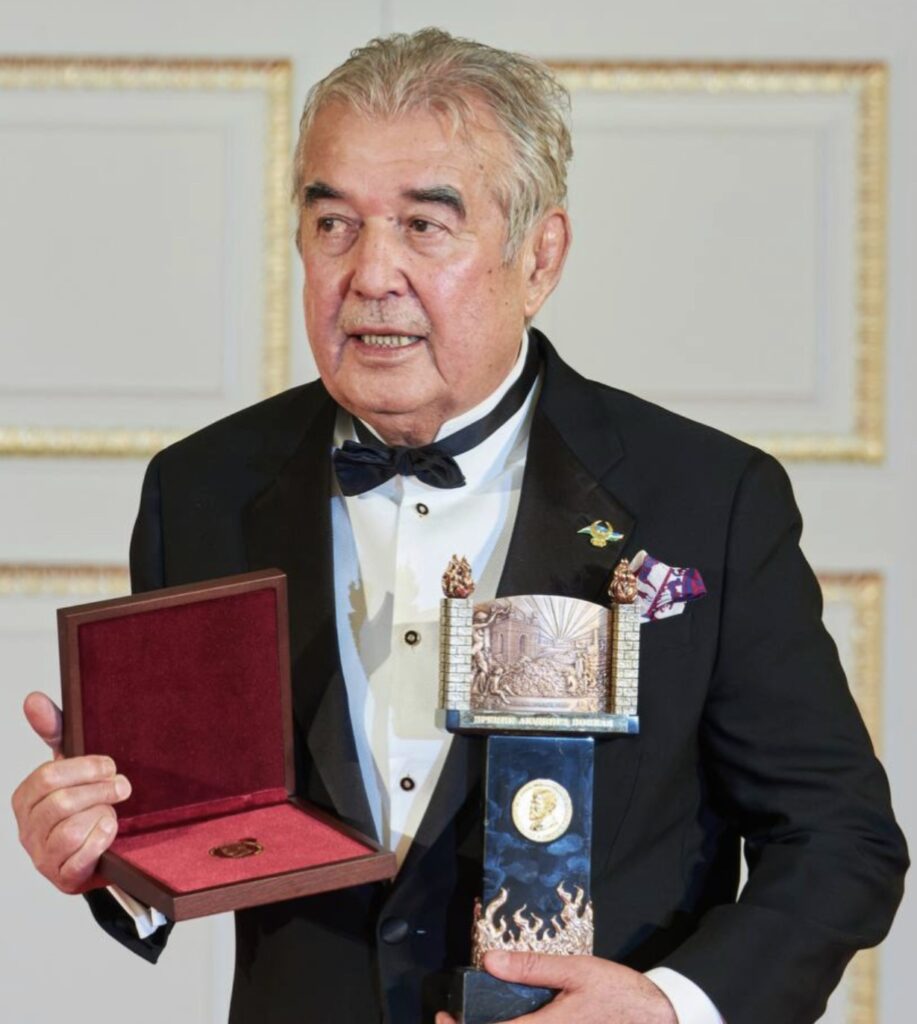
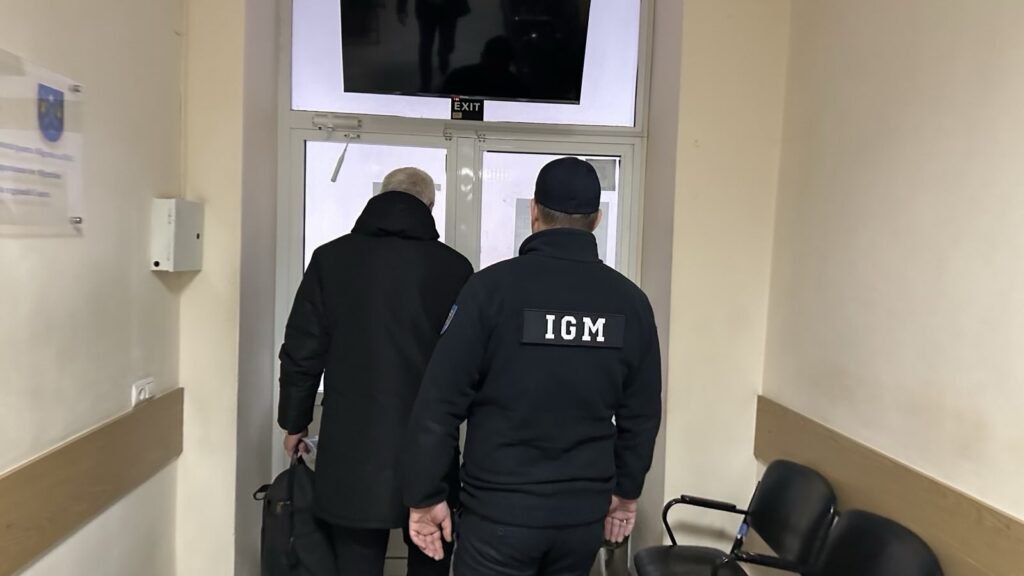
Aidar Khalikov, a former public aide to the president of Kyrgyzstan, has been detained in Moldova under an Interpol warrant on charges of large-scale fraud. Investigative journalist Bolot Temirov was the first to report Khalikov's detention, raising the possibility of his extradition to Kyrgyzstan. The report was later confirmed by the General Inspectorate for Migration under Moldova’s Ministry of Internal Affairs. According to their statement, the detention was carried out as part of efforts to locate individuals wanted internationally for evading criminal responsibility. Charges Against Khalikov The Kyrgyz Ministry of Internal Affairs stated that Khalikov, born in 1965, is being prosecuted under Article 209 of the Kyrgyz Criminal Code, which pertains to fraud. He is accused of stealing a significant sum of money from a Kyrgyz citizen identified solely as S.D. Investigators suspect Khalikov may also be involved in other similar crimes. The General Prosecutor’s Office of Kyrgyzstan is now working on his extradition. Background Khalikov was a prominent member of the "Mekenchil" party and played an active role in Kyrgyzstan's political landscape, particularly during the political upheavals of 2020. Following those events, he was appointed as an aide to President Sadyr Japarov. However, in 2024, Khalikov left Kyrgyzstan and began publicly criticizing Japarov and his inner circle. Khalikov’s arrest in Moldova underscores ongoing efforts by the Kyrgyz authorities to track and prosecute high-profile individuals facing criminal charges. His extradition process will likely attract significant attention in both Kyrgyzstan and Moldova in the coming weeks.

Uzbek Businessman Salim Abduvaliyev Released from Prison Due to Illness

Salim Abduvaliyev, a well-known Uzbek businessman commonly referred to as “Salimboy,” was released from prison on January 12 due to health complications. According to Kun.uz, Abduvaliyev has been battling a serious illness for an extended period. Born in Tashkent in 1950, Abduvaliyev was previously active in Uzbekistan’s sports administration, serving as deputy chairman of the National Olympic Committee and chairman of the Uzbekistan Sports Wrestling Association. Abduvaliyev was detained in early December 2023 on charges of illegal possession of firearms. On March 19, 2024, the Mirabad District Court of Tashkent City found him guilty under Article 248, Paragraph 2 of Uzbekistan’s Criminal Code, which pertains to the illegal possession of firearms, ammunition, and explosives. He was sentenced to six years in prison. His release this week was granted under Article 75 of the Criminal Code, which allows for the early release of prisoners suffering from severe illnesses that make it impossible for them to serve their sentences. While serving his sentence in August 2024, the State Committee for National Security of Kyrgyzstan issued an arrest warrant against Abduvaliyev. Reports alleged that he had financed an organized criminal group led by Kamchybek Kolbaev. Kolbaev, a notorious figure linked to heroin trafficking and a member of the international criminal network known as the “Brothers’ Circle” (Bratva), was a wanted individual by the U.S. Department of State. Kolbaev was killed during a security operation in Bishkek in October 2023 at the age of 49.

Four Arrested in Connection with Journalist Inessa Papernaya’s Death

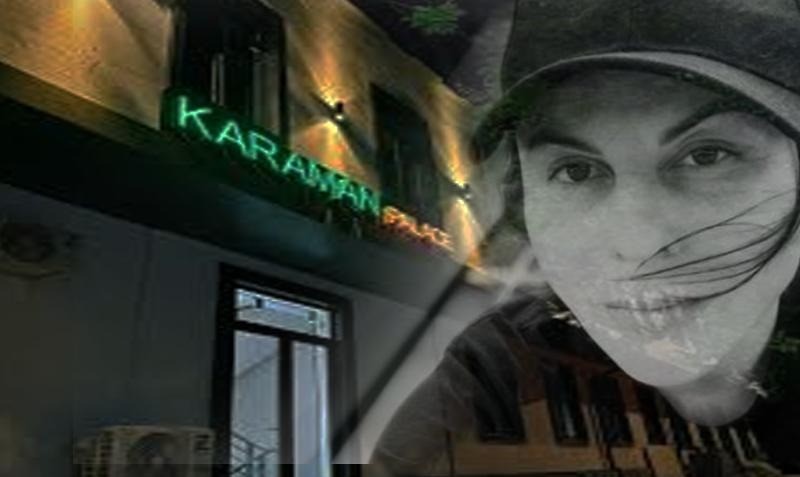
Russian journalist Inessa Papernaya, known for her work with lenta.ru and profile.ru, was found dead in a hotel in Tashkent, Uzbekistan, on October 20, 2024. The Times of Central Asia previously reported that Papernaya was vacationing in Uzbekistan and staying at the Karaman Palace Hotel with her companion, Maxim Radchenko. Hotel staff discovered their bodies after receiving no response during a package delivery. Another Uzbek citizen was also found dead in the bathroom of a separate hotel room. According to forensic medical examination reports, the deaths were caused by respiratory failure due to acute poisoning from carbon monoxide and hydrogen sulfide gases. Investigations revealed that the hotel's boilers, which had exceeded their service life, were the source of the carbon monoxide leakage. The boilers also had faulty condensate discharge systems and were improperly connected to the sewage system. A comprehensive forensic investigation conducted by the Republican Center of Forensic Expertise uncovered multiple issues with the hotel’s gas equipment. The boilers were found to be outdated and had been modified in ways that violated safety standards. Key modifications included the removal of the siphon in the condensate discharge system, which allowed the discharge pipe to connect directly to the sewage system, creating hazardous conditions for gas leakage. Additionally, the installation of the equipment did not adhere to technical and safety regulations, and the heating, ventilation, and air conditioning systems failed to meet the required standards, further increasing the risk of poisoning. In response to these findings, four individuals were arrested in connection with the fatalities. Khojakulov, the hotel owner, along with Jamoldinov and Yusupov, suppliers of the faulty boilers, and Kurbonov, the plumber responsible for the installation, face charges under Uzbekistan’s Criminal Code for providing unsafe equipment and services resulting in multiple deaths. The suspects remain in custody as legal proceedings continue.  

Indian Students Involved in New Year’s Eve Brawl Deported from Kazakhstan

Six Indian students have been deported from Kazakhstan following their involvement in a mass brawl in Almaty on New Year’s Eve​. The students, enrolled at a university in Almaty, were the only individuals implicated in the altercation, with no Kazakh citizens involved. "This was an internal conflict among the students," Kazakhstan’s Minister of Science and Higher Education, Sayasat Nurbek commented. "The Almaty Police Department is conducting an investigation. We have discussed the matter with the Indian Embassy and reached a joint decision to deport the students." The altercation occurred at a café on Kok-Tobe, a popular mountain destination in Almaty​. What began as a quarrel between the students escalated into a violent mass brawl, with video footage showing participants wielding chairs, tables, and batons. The footage quickly circulated online, drawing public attention to the incident​​. According to the Almaty Police Department, all individuals involved in the fight were identified and taken to the Medeusky District Police Department for questioning.