Iranian War Thriller Screened at Tajikistan Film Festival
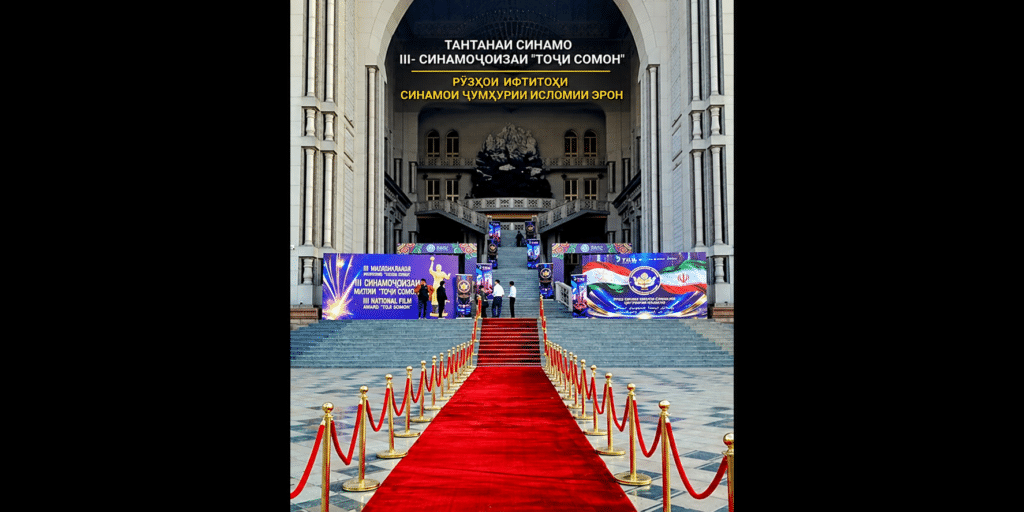
An Iranian thriller about a cyberattack on a major bank in Iran during the 12-day war in 2025 is among films being showcased at a festival in Tajikistan. The Gambler, directed by Mohsen Bahari and starring Shabnam Ghorbani, is among several Iranian films featured at a state-backed festival in Dushanbe, which shares a Persian-language cultural heritage with Iran. The Toji Somon National Film Festival, which ends on October 20, also includes movies and documentaries from Russia, Kyrgyzstan, and Uzbekistan. Iranian cinema includes films made within the state-regulated industry and some independent movies that challenge the government and may be banned from screening in Iran. The films being screened at the festival in Tajikistan have a diplomatic role. They were part of an effort by both countries to promote “cultural cooperation,” according to Khovar, Tajikistan’s state news agency. Iran’s Farabi Cinema Foundation, which is handling international distribution of The Gambler, noted that the film has won the special jury prize at the Across the Lake International Film Festival in North Macedonia, and that Ghorbani won the best actress award at the Shanghai Cooperation Organization Film Festival in Bishkek, Kyrgyzstan. The Across the Lake festival said the thriller is set during the 12-day war, in which Israel and Iran attacked each other and the United States struck Iranian nuclear facilities. The film centers on an intelligence official who suspects a bank programmer is behind the enemy cyberattack. Bahari said in an interview with Iran’s Mehr News Agency that he would have preferred the 2026 film about cyberwarfare to be released “under normal circumstances,” but added that “our film is about the 12-day war and deals with a part of the war that has been less covered and shows a new aspect of it.” Another Iranian film on the schedule at the Dushanbe festival is “In the Arms of the Tree,” a film about two young brothers struggling with the divorce of their parents. The film was Iran’s submission for the 2025 Academy Award for best international feature film. Variety magazine said the film “spins platitudes” but showcases director Babak Khajeh Pasha’s “gift” with actors. At the Fajr International Film Festival in Tehran in 2023, Pasha won the best screenplay award and received an honorary diploma in the first-time director category. The kind of Iranian film that directly criticizes the government was absent from the Dushanbe program. Such films include “It Was Just an Accident,” directed by dissident Jafar Panahi. The 2025 film, which tells the story of several former political prisoners who encounter their suspected prison interrogator, won the Palme d’Or award at the Cannes Film Festival. In the 2024 film “The Seed of the Sacred Fig,” a Tehran judge comes into conflict with his own wife and daughters after the disappearance of his service weapon at home. The film explores state repression. Director Mohammad Rasoulof fled Iran after being sentenced to jail and flogging after making the film. The cultural ties being promoted by the governments in Iran and Tajikistan run...