Few periods since independence have put Kyrgyzstan so squarely in the international spotlight. On August 31, the country marked 35 years of independence, opened the sixth World Nomad Games, and prepared to host a Shanghai Cooperation Organization summit that has brought more than a dozen foreign leaders to Bishkek.
The Games themselves were back where they began. Kyrgyzstan launched the World Nomad Games in 2014 and staged the first three editions at Cholpon Ata before the event moved to Turkey in 2022 and Kazakhstan in 2024. This year’s Games run through September 6, with The Times of Central Asia reporting from Bishkek and Issyk-Kul throughout the week in our special coverage.
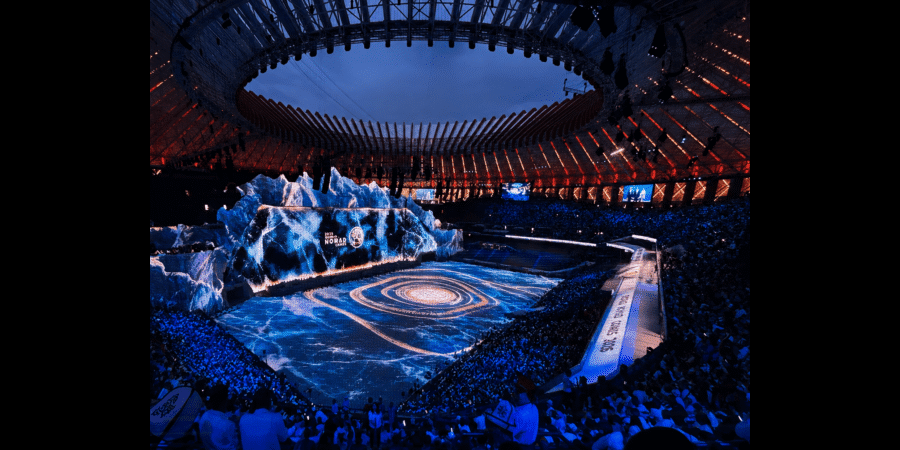
The opening took place at the new Bishkek Arena, rising out of the dust on the southwestern edge of the capital near the foothills of the Kyrgyz Ala-Too Range. Around 30,000 spectators attended the ceremony. The stadium will eventually hold more than 51,000, but it is not formally due to open until October 5.
The Games opened while work on the arena was still underway, with parts of the building still looking unfinished. In the weeks before the ceremony, horses had circled the arena floor during rehearsals while drilling continued around them. By the time the spectators arrived, the construction site had become the biggest show in town.
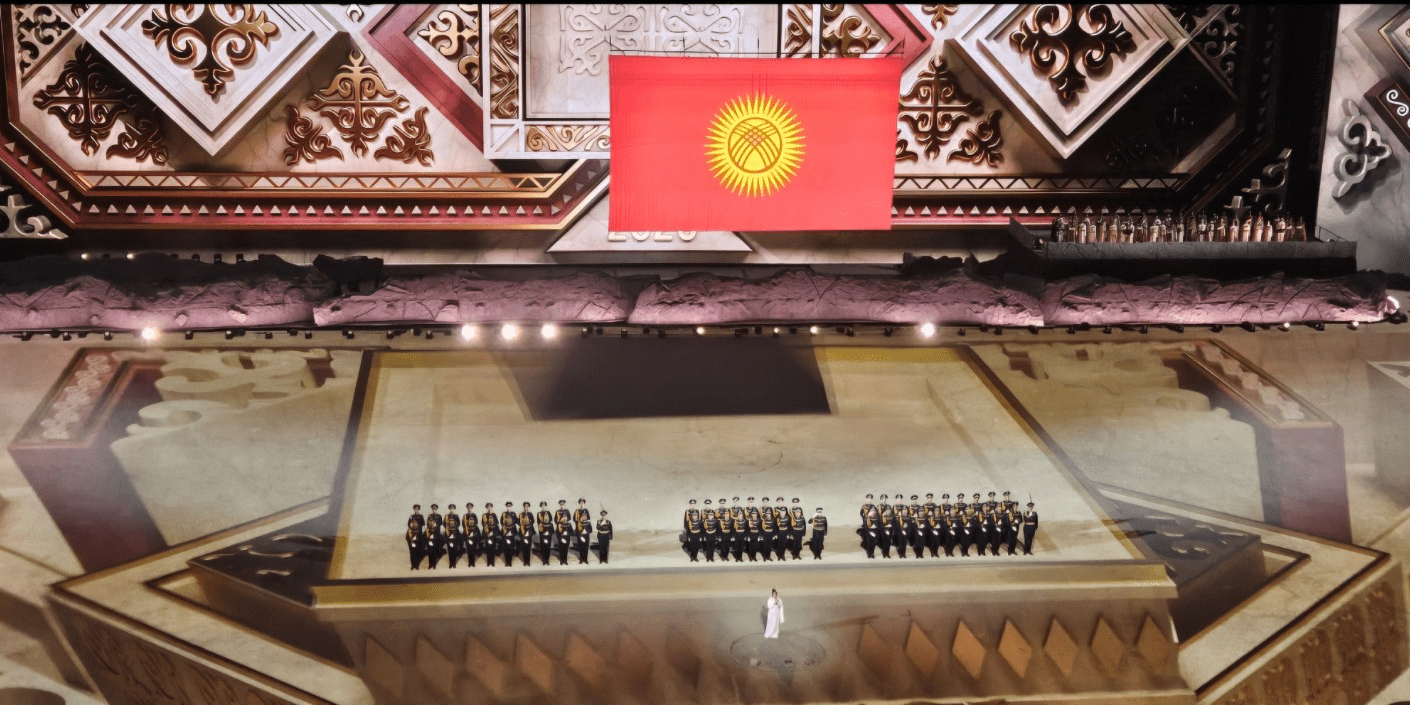
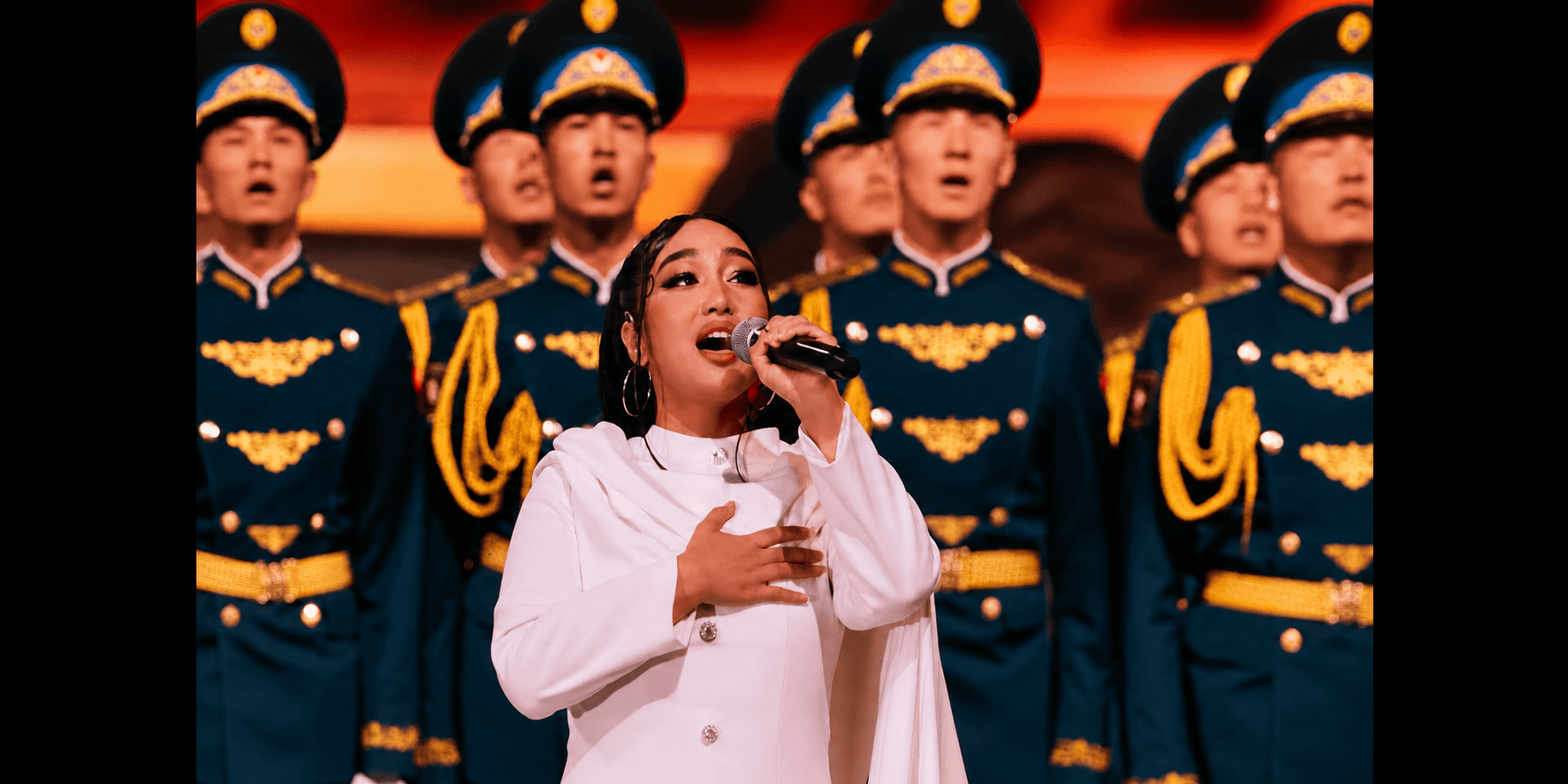
Before the politics and pageantry, there was pop. Kyrgyzstan put many of its best-known performers on stage in a concert that at times had a distinctly Eurovision feel. Energetic hosts introduced a succession of singers and rappers while tightly choreographed dancers moved between traditional dress and contemporary styling.
The lineup included Bayastan, Malika Dina, Erlan Andashev, Begish, and others, but veteran singer Baktiyar Toktorov received the loudest reaction. When he launched into “Yza,” known almost universally by its “Bui-Bui” refrain, spectators rose from their seats and sang with him. Even some of the security guards joined in. The refrain does not demand many words, but almost everybody in the arena seemed to know them.
The new stadium also showed some early teething problems, with concession stands running out of bottled water and food as crowds built.
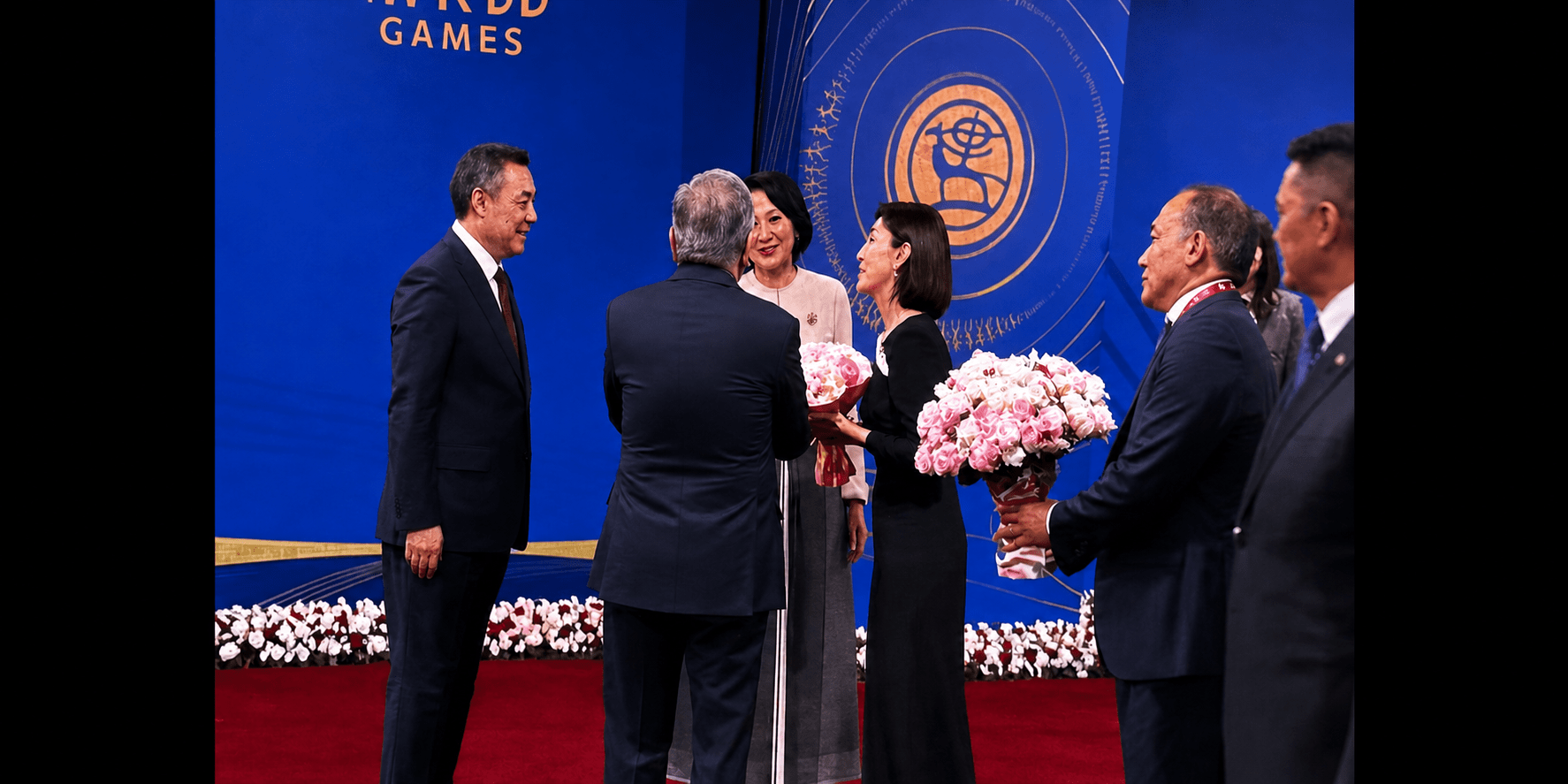
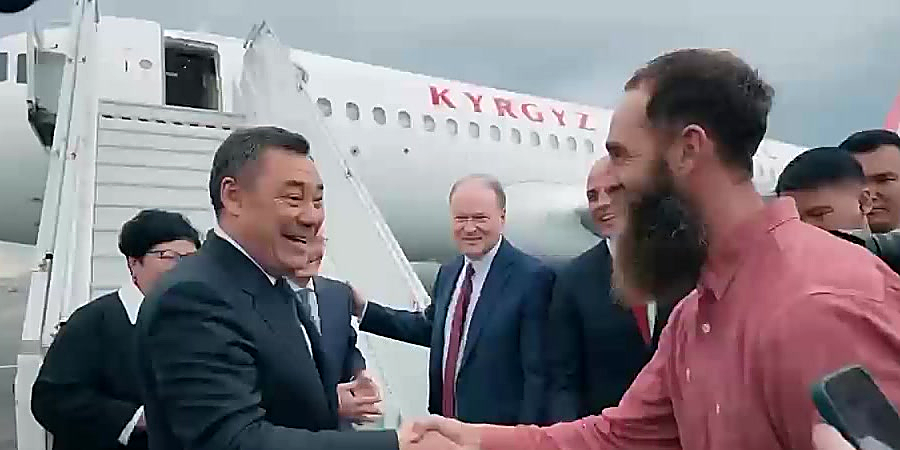
After the concert, the momentum disappeared. The audience waited for around 90 minutes while footage of arriving dignitaries played on the giant screens. The reason for the pause soon became clear, as one motorcade after another delivered guests for the formal ceremony.
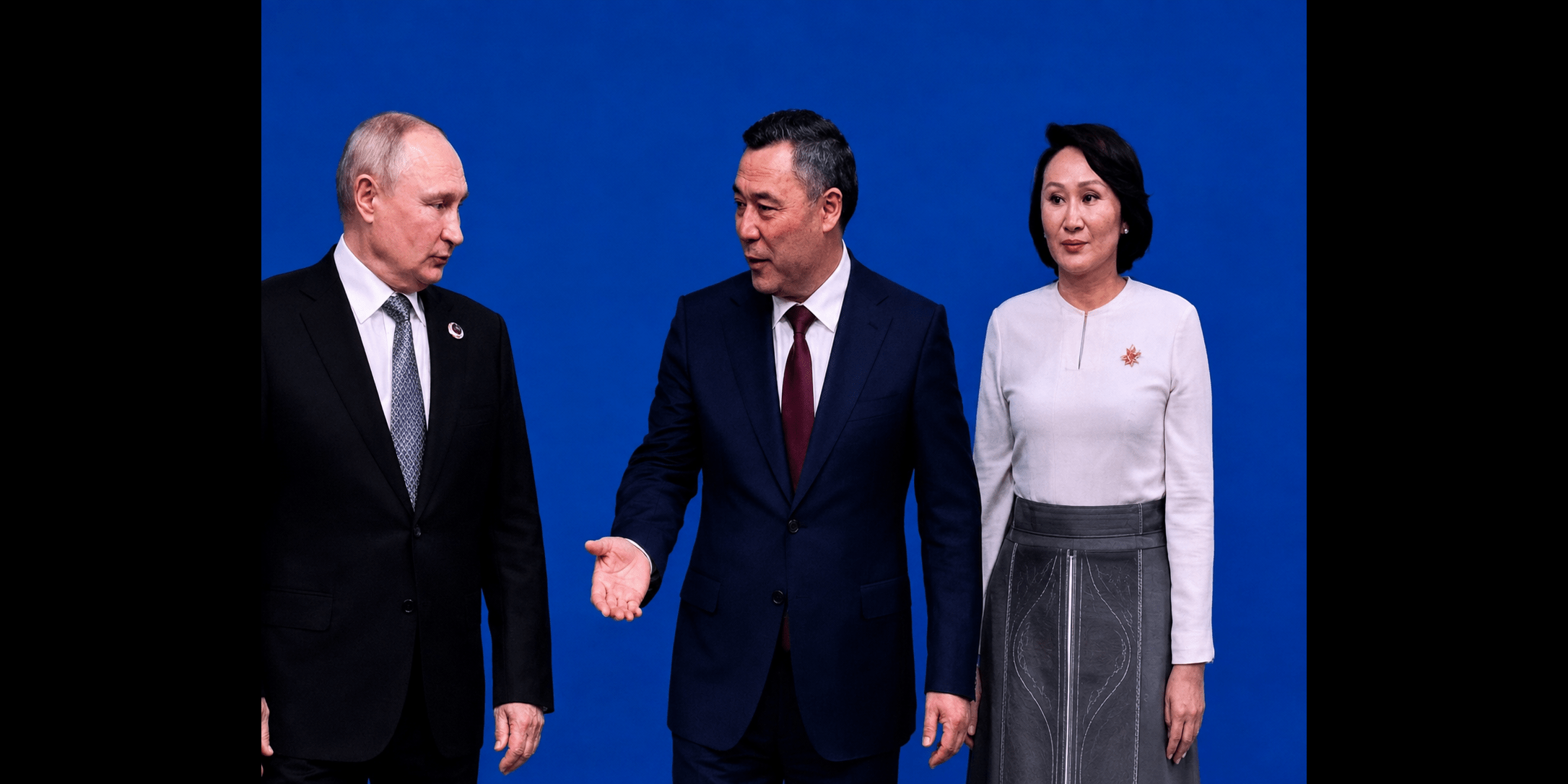
Russian President Vladimir Putin, Indian Prime Minister Narendra Modi, Turkish President Recep Tayyip Erdogan, Iranian President Masoud Pezeshkian, and Belarusian President Alexander Lukashenko were among those in the stands. The presidents of Kazakhstan, Tajikistan, and Uzbekistan also attended, along with leaders and senior officials from elsewhere in Asia, the Caucasus, and Africa. UN Secretary-General Antonio Guterres was among the international guests.
One expected heavyweight was missing. Chinese President Xi Jinping, in Bishkek for a state visit and the SCO summit, had been due to attend the opening. Presidential spokesman Askat Alagozov said Xi had stayed away because of the deadly flooding and landslides in Tibet, where rescue operations were continuing. His bilateral meetings in Kyrgyzstan were to proceed as planned.
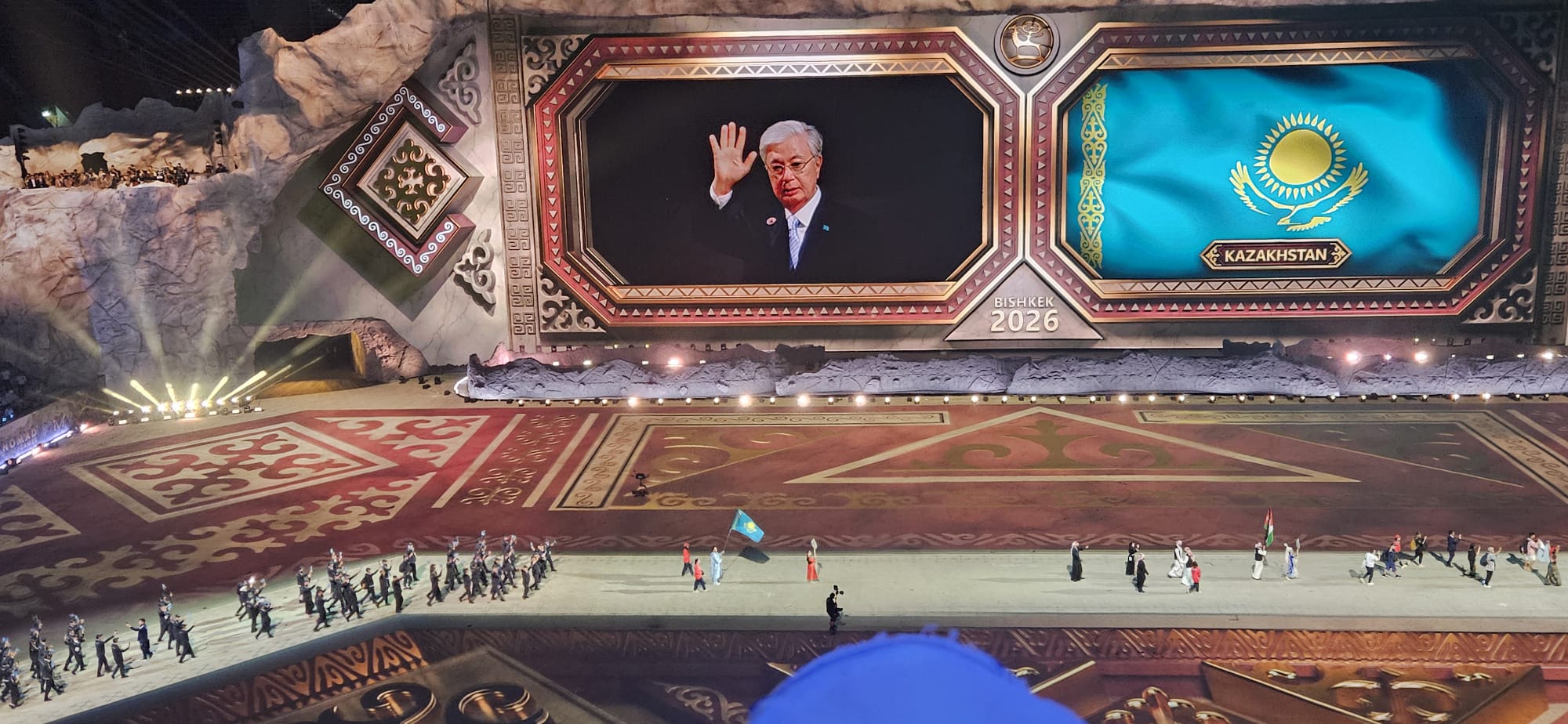
Once the dignitaries had taken their seats, the parade began. More than 3,000 athletes from 104 countries entered the arena behind their national flags, including 517 from Kyrgyzstan. Visiting leaders stood or waved as their delegations passed. The biggest roar of the night came when the home team entered, and the stands erupted in national pride.
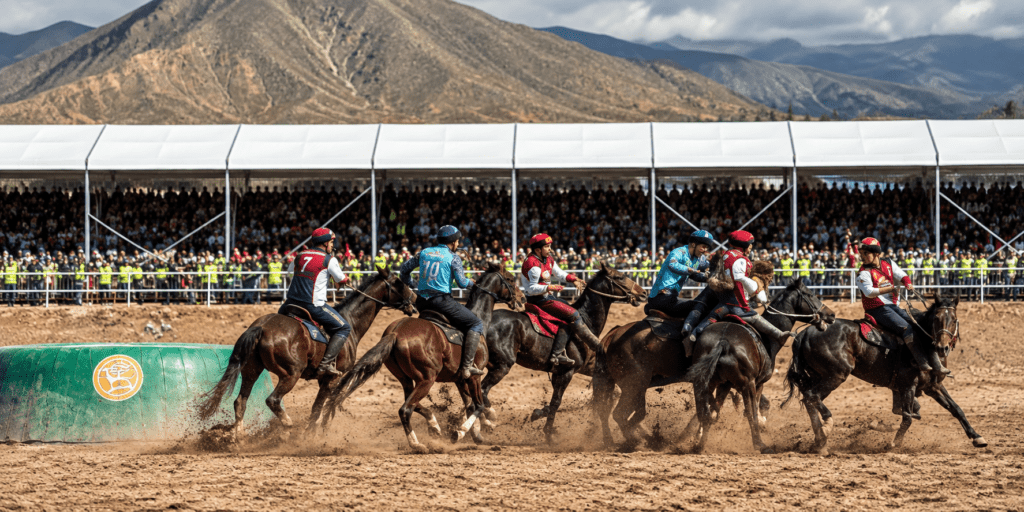
The ceremony then shifted into a vast theatrical retelling of Kyrgyz history and legend. Swirling graphics covered the arena floor as galloping horses and trick riders crossed the stadium. Performers drew on the equestrian traditions that will feature in competition at Issyk-Kul, while mass choreography, music, and fireworks pushed the show deep into the night.
President Sadyr Japarov used his speech to bind the Games to Independence Day and the diplomatic gathering around them.
“Our foundation is independence, and our roots are in nomadic civilization,” he said. “Our chosen course is international friendship and partnership, and our future lies in building a developed, strong new Kyrgyzstan.”
Japarov said the confluence of the Games and the SCO gathering carried a wider meaning. “At one event, state leaders seek paths to peace and cooperation through dialogue; at the other, the peoples of the world draw closer through sport and culture,” he said. “At the heart of both are humanity’s highest values: peace and friendship.”
Japarov also used the ceremony to advertise the government’s development agenda, singling out the China-Kyrgyzstan-Uzbekistan railway, and saying its construction would “change perceptions of Kyrgyzstan’s geopolitical role.” He also highlighted the Kambar-Ata-1 hydropower project and announced that Russia had formally expressed its readiness to host the seventh World Nomad Games in Tatarstan in 2028.
For all the visiting presidents and geopolitical messaging, the strongest moments belonged to the crowd: thousands singing an old pop hit together, the explosion of noise for the Kyrgyz team, and horses thundering across the floor of a stadium that was a building site only weeks earlier.
The Games now move to Issyk-Kul, where the sporting, cultural, and scientific programs continue through September 6. For Kyrgyzstan, the opening night was only the beginning of an unusually crowded week on the world stage.
For more from our World Nomad Games 2026 special coverage, click here.