• KGS/USD = 0.01144 0%
  • KZT/USD = 0.00193 -0%
  • TJS/USD = 0.10838 -0.09%
  • UZS/USD = 0.00008 0%
  • TMT/USD = 0.28490 0%
  • KGS/USD = 0.01144 0%
  • KZT/USD = 0.00193 -0%
  • TJS/USD = 0.10838 -0.09%
  • UZS/USD = 0.00008 0%
  • TMT/USD = 0.28490 0%
  • KGS/USD = 0.01144 0%
  • KZT/USD = 0.00193 -0%
  • TJS/USD = 0.10838 -0.09%
  • UZS/USD = 0.00008 0%
  • TMT/USD = 0.28490 0%
  • KGS/USD = 0.01144 0%
  • KZT/USD = 0.00193 -0%
  • TJS/USD = 0.10838 -0.09%
  • UZS/USD = 0.00008 0%
  • TMT/USD = 0.28490 0%
  • KGS/USD = 0.01144 0%
  • KZT/USD = 0.00193 -0%
  • TJS/USD = 0.10838 -0.09%
  • UZS/USD = 0.00008 0%
  • TMT/USD = 0.28490 0%
  • KGS/USD = 0.01144 0%
  • KZT/USD = 0.00193 -0%
  • TJS/USD = 0.10838 -0.09%
  • UZS/USD = 0.00008 0%
  • TMT/USD = 0.28490 0%
  • KGS/USD = 0.01144 0%
  • KZT/USD = 0.00193 -0%
  • TJS/USD = 0.10838 -0.09%
  • UZS/USD = 0.00008 0%
  • TMT/USD = 0.28490 0%
  • KGS/USD = 0.01144 0%
  • KZT/USD = 0.00193 -0%
  • TJS/USD = 0.10838 -0.09%
  • UZS/USD = 0.00008 0%
  • TMT/USD = 0.28490 0%
10 December 2025

Viewing results 1 - 6 of 2

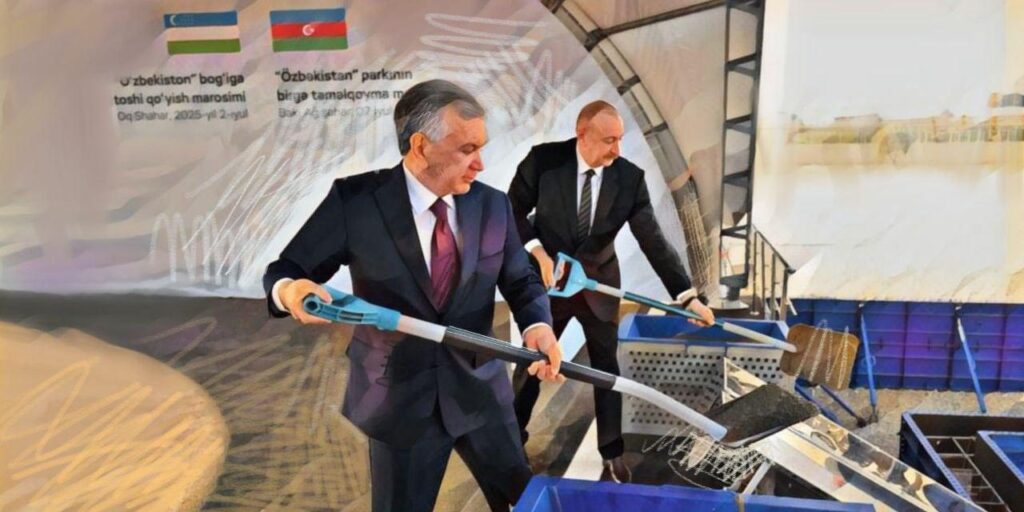
Uzbekistan and Azerbaijan Forge $1B Trade Vision

President Shavkat Mirziyoyev of Uzbekistan arrived in Baku on July 2 for a state visit at the invitation of Azerbaijani President Ilham Aliyev. He was received at the airport by Deputy Prime Minister Yagub Eyyubov and other senior officials, with an official reception taking place at the presidential residence in Zagulba.  A Thirty-Year Economic Partnership During bilateral talks, Presidents Mirziyoyev and Aliyev reaffirmed their commitment to enhancing the strategic partnership between Uzbekistan and Azerbaijan as the two nations mark 30 years of diplomatic ties. “Never in history have our relations been at such a high level as they are today,” said Mirziyoyev. Economic cooperation was a key focus of the discussions. Trade between the two countries has increased by 25% over the past year, and there are now approximately 300 joint ventures with a combined project portfolio valued at $4 billion. The leaders agreed to a new goal of boosting bilateral trade and investment to $1 billion annually by 2030. A comprehensive cooperation program was adopted to facilitate this, covering sectors such as industry, infrastructure, agriculture, healthcare, tourism, and banking. Advancing Transport and Logistics Links Significant progress was reported in the transport and energy sectors. The two presidents welcomed the growth of cargo transit along the Trans-Caspian International Transport Route, also known as the “Middle Corridor.” Uzbek cargo volumes on the route rose by 25% in 2024, surpassing one million tons, a development supported by the launch of a new electronic permit system in March. The leaders also committed to accelerating work on a joint green energy export initiative targeting European markets. Institutionalizing Strategic Ties Several bilateral documents were signed to formalize cooperation. These included a roadmap for implementing the 2023 Treaty on Alliance Relations through 2029, as well as agreements in environmental protection, science, higher education, and industry for the 2025-2026 period. Additional deals addressed agriculture, food security, social protection, maritime navigation, and municipal partnerships. New sister-city agreements were signed between Tashkent and Sumgayit, and between Navoi and Gabala. At a joint press briefing, Mirziyoyev lauded Azerbaijan’s efforts to restore its UN-recognized territorial integrity, stating, “You have fulfilled the long-standing dream of your father and every citizen of Azerbaijan.” He also praised infrastructure development in formerly disputed territories of Nagorno-Karabakh and described Azerbaijan as a “reliable ally and strategic partner.” The two leaders emphasized their shared positions on regional and global issues and pledged continued coordination in international forums. Mirziyoyev reaffirmed Uzbekistan’s commitment to the diplomatic resolution of conflicts. Cultural Diplomacy and Symbolism The visit featured symbolic and cultural highlights. In Baku’s Ag Sheher district, the presidents laid the foundation for Uzbekistan Park, a 4.5-hectare space celebrating Uzbek culture and architecture. They also inaugurated Uzbekistan’s new embassy in Baku, which includes halls named after different Uzbek regions, with Mirziyoyev proposing to name one of the halls after Karabakh as a gesture of friendship. The two leaders later toured the Sea Breeze resort complex on the Caspian coast, part of the broader Caspian Riviera tourism project. A similar development, Sea...

Amidst Diplomatic Tensions, Russia and Uzbekistan Explore Long-Term Youth Exchange Program

During a recent meeting with the heads of global news agencies in St. Petersburg, Russian President Vladimir Putin responded positively to a proposal from Uzbekistan’s National News Agency (UzA) to establish a long-term youth exchange program aimed at strengthening bilateral ties and addressing migration-related issues. Abdusaid Kochimov, Director General of UzA, initiated the proposal, emphasizing the historical and cultural ties between the two countries. “There is a strong interest in Uzbekistan in everything that happens in and around Russia. Our societies share close mentalities and traditions,” he said. Kochimov praised the leadership of Presidents Vladimir Putin and Shavkat Mirziyoyev in deepening strategic cooperation, describing their efforts as “titanic.” However, he pointed out persistent challenges in the migration sphere and argued that a structured youth program with defined goals could foster deeper mutual understanding and resolve some of these issues. “There is a real need for a large-scale and long-term youth exchange program with clear projects and goals,” Kochimov said. “This would bring our young people closer and build a strong, friendly image of each other, based on our shared values and history.” President Putin welcomed the suggestion, noting ongoing collaboration between Russia and Uzbekistan across several sectors, including energy. He referenced the two countries’ partnership in nuclear energy development and acknowledged Uzbekistan’s rapidly growing population, from 15 million three decades ago to 38 million today, highlighting the resulting pressures on its labor market. “We agreed with President Mirziyoyev to prepare people who want to work in Russia in advance. This includes learning the Russian language and culture. There’s a good plan in place,” Putin said, adding, “This work is not just important, it’s essential. I fully agree with you.” Putin also mentioned recent visits by Uzbek officials to Moscow, including Saida Mirziyoyeva, which included discussions on youth engagement. He reaffirmed Russia’s commitment to supporting joint initiatives in this area. However, this positive diplomatic development comes against the backdrop of recent tensions over the treatment of Uzbek nationals in Russia. On June 10, the Uzbek Foreign Ministry summoned Russian diplomats to protest what it called the aggressive and disrespectful conduct of law enforcement officers during identity checks on Uzbek migrants. The protest followed a major police raid in Moscow’s Strogino district on June 8. Footage shared online appeared to show migrants being forcibly removed, verbally abused, and subjected to electric shocks. Uzbek authorities criticized these actions as unauthorized and unacceptable. In response, Uzbekistan’s embassy in Moscow issued an official note requesting a legal explanation and urging Russian authorities to treat migrants with dignity in line with international standards. Russian Foreign Ministry spokesperson Maria Zakharova confirmed that the matter is currently under official review.