
• KZT/USD = 0.00212
  • TJS/USD = 0.10810
  • UZS/USD = 0.00008
  • TMT/USD = 0.29760
  • KZT/USD = 0.00212
  • TJS/USD = 0.10810
  • UZS/USD = 0.00008
  • TMT/USD = 0.29760
  • KZT/USD = 0.00212
  • TJS/USD = 0.10810
  • UZS/USD = 0.00008
  • TMT/USD = 0.29760
  • KZT/USD = 0.00212
  • TJS/USD = 0.10810
  • UZS/USD = 0.00008
  • TMT/USD = 0.29760
  • KZT/USD = 0.00212
  • TJS/USD = 0.10810
  • UZS/USD = 0.00008
  • TMT/USD = 0.29760
  • KZT/USD = 0.00212
  • TJS/USD = 0.10810
  • UZS/USD = 0.00008
  • TMT/USD = 0.29760
  • KZT/USD = 0.00212
  • TJS/USD = 0.10810
  • UZS/USD = 0.00008
  • TMT/USD = 0.29760
  • KZT/USD = 0.00212
  • TJS/USD = 0.10810
  • UZS/USD = 0.00008
  • TMT/USD = 0.29760

Viewing results 1 - 6 of 3

Chongara and Tash-Tobo: The Villages That Changed Countries Without Moving

About 2,500 people in Chongara and Tash-Tobo now live under Kyrgyz jurisdiction. The transfer reduces the number of Uzbek enclaves in Kyrgyzstan and clears the way for a much shorter road across the Batken Region. For Umitbek, the change first appeared online. Chongara, his home village, passed from Uzbekistan’s Ferghana Region into Kyrgyzstan when the legal border moved. “We are welcoming the decision with joy,” Umitbek told Azattyk. “Ninety-nine percent of our village is Kyrgyz.” Umitbek already holds a Kyrgyz passport, while many neighbors have Uzbek documents. Some households include citizens of both countries. The village has Kyrgyz and Uzbek schools, and families have chosen between them. Kyrgyz presidential spokesman Askat Alagozov announced the transfer on June 23. “Now registration procedures will be conducted in these villages, after which their residents will be granted Kyrgyz citizenship,” Alagozov said. He did not give a timetable for the process. Kyrgyzstan transferred plots of equal area to Uzbekistan as part of the settlement. Public announcement did not identify those plots or state their total size. The two governments also conducted a separate exchange involving 236 hectares. That land will support a road between the villages of Sai and Tayan, and shorten the journey between Aidarken and Batken from 225 kilometers to 55, or about 76% of the present route. Officials have yet to publish a construction date or budget. A Century Inside Another Republic Chongara and Tash-Tobo were Uzbek exclaves, pieces of Uzbekistan completely surrounded by Kyrgyz territory. Their unusual status grew from Soviet boundary decisions made a century ago. Chongara’s administrative link to the Uzbek Republic dates to territorial decisions around Sokh in 1925. Tash-Tobo was also assigned to the Uzbek Soviet Socialist Republic that year. A parity commission confirmed its enclave status in 1955. These lines served as internal administrative boundaries during the Soviet period. Villages that had shared roads, water systems and family links found themselves divided by customs posts and citizenship rules. Uzbekistan previously had four exclaves inside Kyrgyzstan: Sokh, Shakhimardan, Chongara, and Tash-Tobo. Following the latest transfer, only Sokh and Shakhimardan remain under Uzbek jurisdiction. Sokh is the largest and most complicated. It lies within Kyrgyzstan, but has a largely ethnic Tajik population. Roads around the enclave have long shaped travel through the western Batken Region. A Settlement Built Over Two Decades Kyrgyzstan and Uzbekistan began formal border negotiations in 2000. Progress remained slow while relations between the two governments were strained. The process accelerated after Shavkat Mirziyoyev became Uzbekistan’s president in 2016. A 2017 agreement settled about 1,170 kilometers of the roughly 1,378-kilometer frontier. The remaining sections involved land, roads, and water infrastructure. The two foreign ministers signed a further border treaty in Bishkek on November 3, 2022, which covered sections left outside the 2017 settlement. On January 27, 2023, Mirziyoyev and Kyrgyz President Sadyr Japarov exchanged ratification instruments during a state visit to Bishkek. The legal delimitation fixed the agreed line on maps. Physical demarcation then placed that line on the ground. The 2022 package also...
Kyrgyzstan Develops Territories Received from Tajikistan

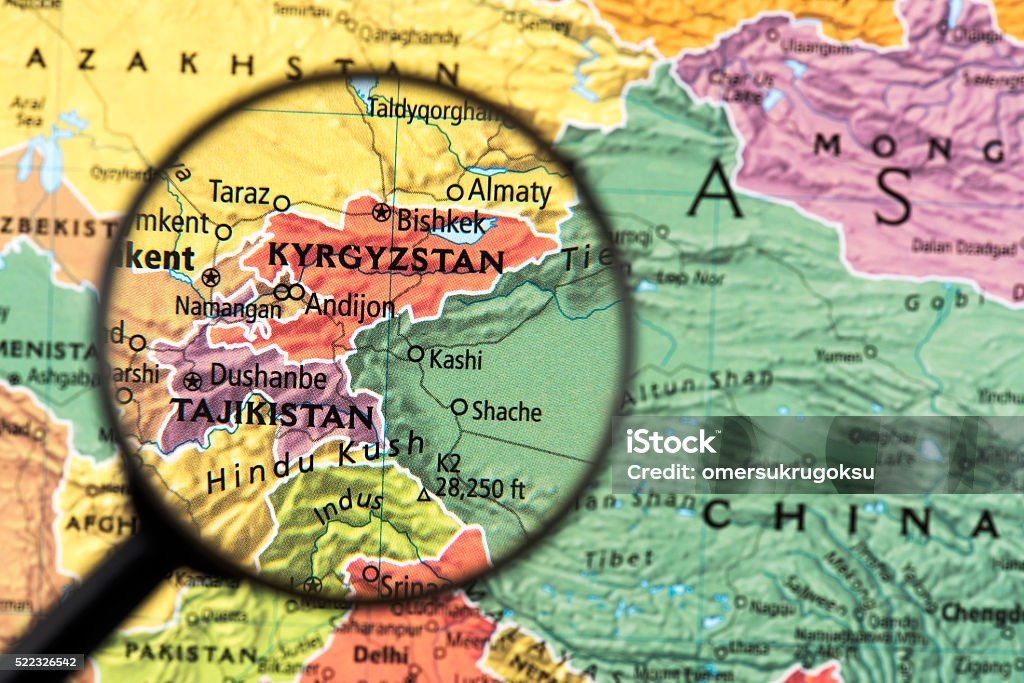
The Kyrgyz authorities have adopted a resolution that transfers into state ownership land and real estate received from Tajikistan under the agreement on the delimitation and demarcation of the state border. According to the decision of the Cabinet of Ministers, the State Agency for State Property Management must register the transferred assets on its balance sheet, after which they will be handed over to local administrations in the Batken and Leylek districts of Batken region. District authorities are expected to distribute the property among citizens who lost their homes and assets as a result of the border agreement, as well as those whose properties were demolished during the construction of border infrastructure. The government has also instructed the State Agency for Land Resources, Cadastre, Geodesy, and Cartography to conduct an inventory of land plots in the region, while the Ministry of Construction will develop master plans for settlements in the transferred territories. The resolution notes that the list of real estate assets may be revised as the border line is refined during the demarcation process. The border agreement was reached following negotiations between the two countries' presidents, Sadyr Japarov and Emomali Rahmon, and was subsequently ratified by the parliaments of both countries. Under its terms, the sides exchanged territories, including previously disputed areas. Following the agreement, Kyrgyzstan began constructing barriers along the new border line. Authorities in both countries expect that completing the demarcation process will help stabilize the situation and prevent further conflict.

Kyrgyzstan and Tajikistan Discuss Border Agreement in Parliament

The head of the State National Security Committee of Kyrgyzstan, Kamchybek Tashiev, has detailed a draft agreement on border delimitation and demarcation with Tajikistan during a speech in the Jogorku Kenesh (parliament) on February 27. He specifically addressed the issue of territorial exchanges, though the Tajik government has yet to issue an official statement on the intergovernmental commission's progress. Parliamentary Review of Border Agreements During a joint session of multiple parliamentary committees, lawmakers reviewed and approved several documents related to the Kyrgyz-Tajik border. The committees involved included: Committee on International Affairs, Defense, Security, and Migration. Committee on Fuel and Energy Complex, Subsoil Use, and Industrial Policy. Committee on Constitutional Legislation, State Structure, Judicial and Legal Issues, and the Rules of Procedure of the Jogorku Kenesh. Committee on Agrarian Policy, Water Resources, Ecology, and Regional Development. Committee on Law and Order, Fight Against Crime, and Anti-Corruption. Committee on Transport, Communications, Architecture, and Construction. Following committee approval, the documents were submitted for full parliamentary review. Key Agreements Under Discussion The reviewed documents included: A draft agreement between Kyrgyzstan and Tajikistan on state border delimitation. A draft agreement on the construction and use of highways and border crossings. A draft agreement between the Kyrgyz Cabinet of Ministers and the Tajik government on access to water and energy facilities. Tashiev, who also serves as Deputy Chairman of the Cabinet of Ministers, led the presentation of these agreements. The decision to hold the joint committee meeting was made earlier on February 27, during a session of the Jogorku Kenesh.
