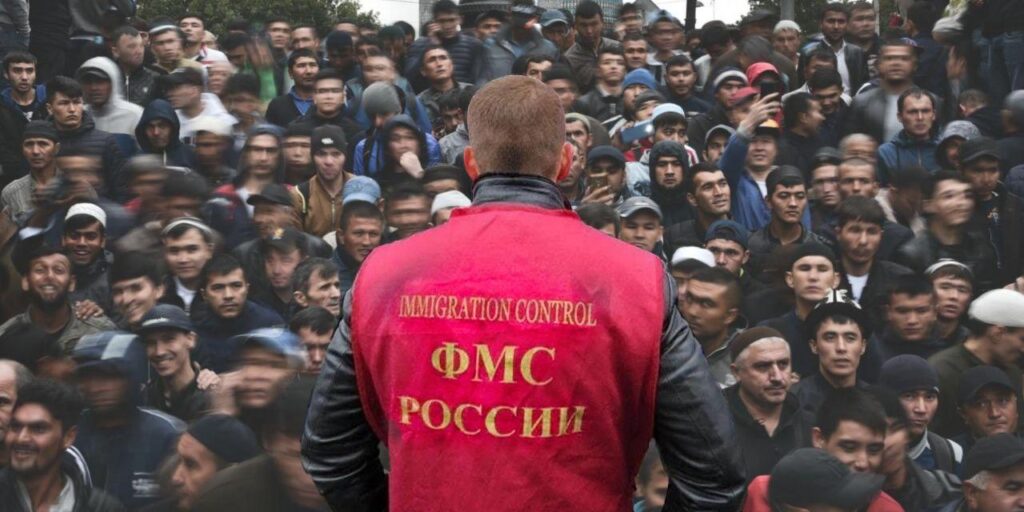
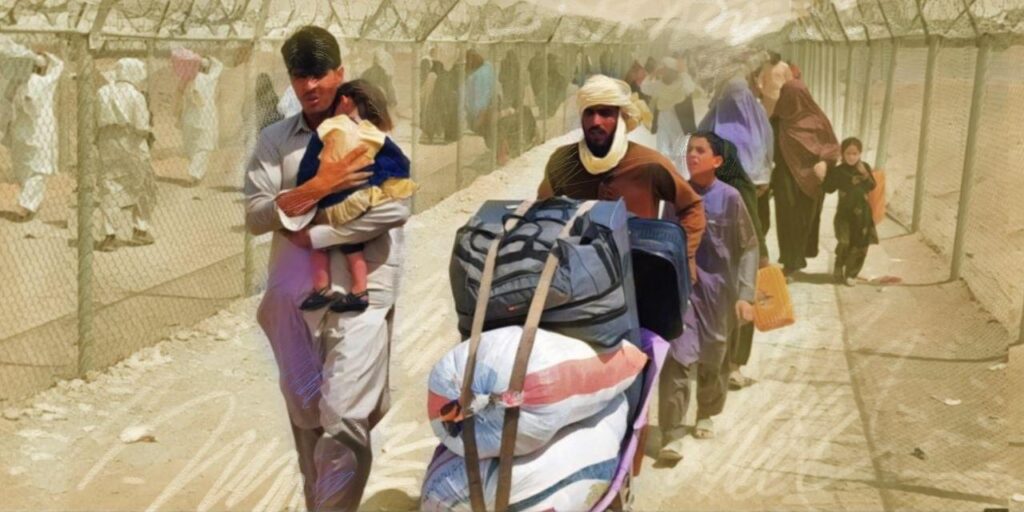
Russian authorities are intensifying their deportation of foreign nationals under a sweeping crackdown on irregular migration, with Turkmen citizens increasingly targeted, according to Turkmen News. Deportation Without Trial Under new rules introduced in February 2025, Russian police and migration officials can summarily expel foreign nationals without awaiting court decisions. The measures coincide with a significant uptick in Turkmen migration: nearly 90,000 Turkmen citizens entered Russia in 2023, triple the number recorded in 2022. Now, reports of deportations are mounting. In July alone, media outlets across several Russian regions reported hundreds of foreigners, many of them from Turkmenistan, being forcibly removed. Key figures include: Astrakhan Region: 200 people Nizhny Novgorod Region: 518 people Republic of Dagestan: 260 people Stavropol Krai: 127 people Raids have also been carried out in other areas, though officials often refrain from disclosing detainees’ nationalities. For example, in early July, Moscow police raided hostels and prayer houses, detaining over 500 foreigners. More than 30 were later expelled for immigration violations, according to Kommersant. A recent case in Saratov Region highlighted the situation. On July 30, the Federal Bailiff Service (FSSP) announced the deportation of three Turkmen citizens for violating migration laws. Among them: a 27-year-old former student who overstayed his registration in Kazan, a 55-year-old man whose legal stay had expired in 2024, and a 47-year-old businessman who failed to obtain a work permit. All three cited lack of funds to return home. They were escorted to a Moscow-area airport and deported, receiving five-year re-entry bans. According to Turkmen News, they will also be placed on a "no-exit" list upon return, barring them from leaving Turkmenistan in the near future. Tougher Migration Regulations Millions of Central Asians live and work in Russia, forming the backbone of the country's migrant labor force. Official figures indicate that nearly 4 million citizens of Kazakhstan, Kyrgyzstan, Uzbekistan, Tajikistan, and Turkmenistan currently reside in Russia. An additional 670,000 foreigners are believed to be in the country without legal status. Uzbekistan and Tajikistan account for the largest share of migrant laborers. In 2023, over one million Tajik citizens entered Russia for work. However, the overall number of Central Asian migrants has been declining, driven by tighter restrictions, growing xenophobia, and fears of forced conscription. In 2024 alone, Russian authorities expelled around 15In 2025, Moscow introduced a new set of migration regulations aimed at curbing irregular migration. These measures authorize law enforcement to carry out deportations without judicial review, establish a centralized registry of undocumented foreigners, and set a deadline of September 10, 2025, for migrants to legalize their status. Those who fail to comply will face deportation and multi-year bans on re-entry. These efforts build on previous policies, including mandatory fingerprinting and photographing of all incoming migrant workers, reducing visa-free stays from 180 days to 90, and expanding the list of deportable offenses. The crackdown intensified following the March 2024 terrorist attack at Crocus City Hall in Moscow, which was allegedly carried out by suspects of Central Asian origin. The incident sparked a...