Kazakhstan Invites Islamic Development Bank to Open New Astana Office
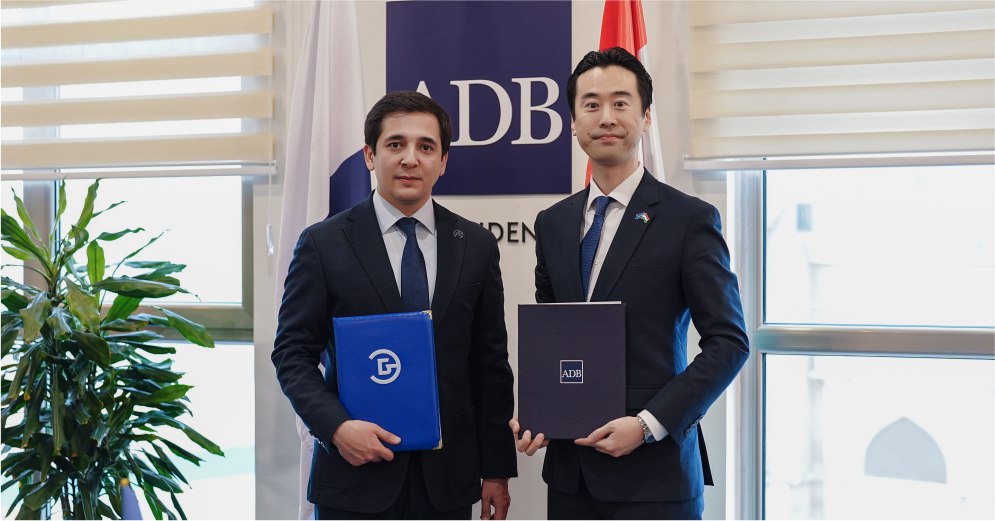
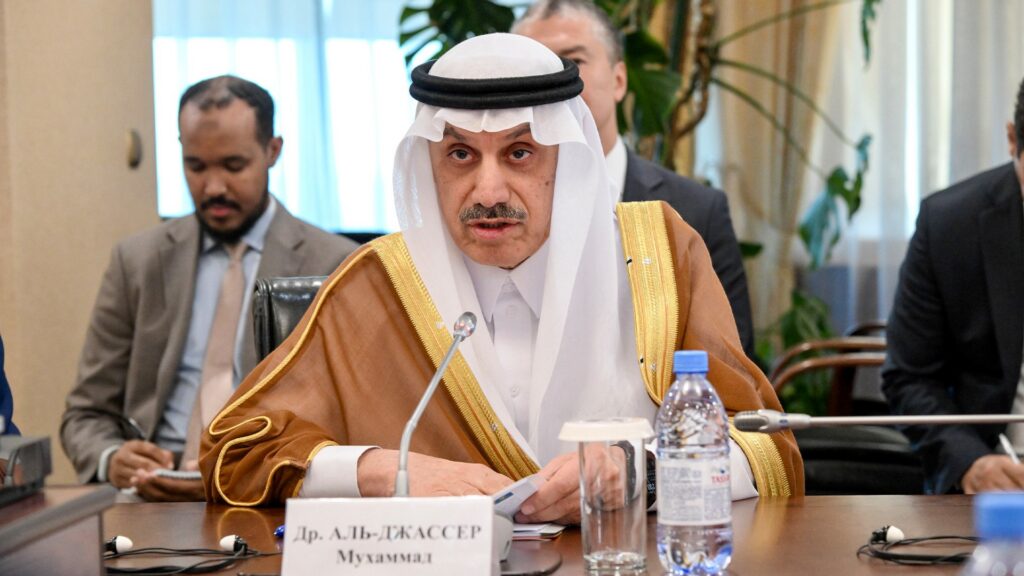
Kazakhstan has proposed that the Islamic Development Bank (IsDB) open an additional office in Astana as the country seeks to deepen cooperation on infrastructure, Islamic finance, and green technologies. Deputy Prime Minister and Minister of National Economy Serik Zhumangarin made the proposal during a meeting with Islamic Development Bank (IsDB) Group Chairman Muhammad Sulaiman Al Jasser ahead of the next meeting of Kazakhstan’s Council of Foreign Investors. According to Kazakhstan’s government, Zhumangarin said the bank’s regional office in Almaty has coordinated operations across Eastern Europe, the CIS, Mongolia, and China since opening in 1997. He said closer engagement with Kazakhstan’s central government institutions is now needed to expand cooperation. Kazakhstan has been a member of the IsDB since 1995. Between 1997 and 2026, total financing and technical assistance provided by the bank to Kazakhstan exceeded $4.2 billion. Current joint projects cover water management, transport infrastructure, and industrial development, while a new partnership strategy between Kazakhstan and the IsDB for 2027-2032 is now being drafted. Zhumangarin said Kazakhstan expects the bank’s expertise to support projects aimed at infrastructure development, food security, natural resource management, and the introduction of modern and green technologies. He noted that cooperation has accelerated significantly over the past three years. In 2024, the two sides launched a large-scale water infrastructure construction and reconstruction program worth $1.1 billion. Since February this year, Kazakhstan has also begun implementing a framework agreement worth $1.3 billion to develop infrastructure in special economic and industrial zones. In addition, the sides are discussing financing for transport projects, including the Kyzylorda-Saksaulsk railway and a bypass road around Kyzylorda. Al Jasser said the potential for cooperation goes beyond the current project portfolio. “Over the years, our specialists have built effective cooperation that allows us to expand the portfolio of projects. The Islamic Development Bank has sufficient flexibility to find solutions for many challenges facing member states,” he said. Al Jasser added that the bank prioritizes building national capacity by relying on domestic systems to prepare and implement projects. Following the meeting, the parties exchanged signed copies of a forward leasing agreement aimed at developing infrastructure in Kazakhstan’s special economic and industrial zones. As previously reported by The Times of Central Asia, the IsDB is also active elsewhere in the region. In February last year, Uzbekistan signed two agreements with the bank worth a combined $299 million to improve its education system and modernize road infrastructure.