• KGS/USD = 0.01144 0%
  • KZT/USD = 0.00211 0%
  • TJS/USD = 0.10802 -0.18%
  • UZS/USD = 0.00008 0%
  • TMT/USD = 0.28490 0%
  • KGS/USD = 0.01144 0%
  • KZT/USD = 0.00211 0%
  • TJS/USD = 0.10802 -0.18%
  • UZS/USD = 0.00008 0%
  • TMT/USD = 0.28490 0%
  • KGS/USD = 0.01144 0%
  • KZT/USD = 0.00211 0%
  • TJS/USD = 0.10802 -0.18%
  • UZS/USD = 0.00008 0%
  • TMT/USD = 0.28490 0%
  • KGS/USD = 0.01144 0%
  • KZT/USD = 0.00211 0%
  • TJS/USD = 0.10802 -0.18%
  • UZS/USD = 0.00008 0%
  • TMT/USD = 0.28490 0%
  • KGS/USD = 0.01144 0%
  • KZT/USD = 0.00211 0%
  • TJS/USD = 0.10802 -0.18%
  • UZS/USD = 0.00008 0%
  • TMT/USD = 0.28490 0%
  • KGS/USD = 0.01144 0%
  • KZT/USD = 0.00211 0%
  • TJS/USD = 0.10802 -0.18%
  • UZS/USD = 0.00008 0%
  • TMT/USD = 0.28490 0%
  • KGS/USD = 0.01144 0%
  • KZT/USD = 0.00211 0%
  • TJS/USD = 0.10802 -0.18%
  • UZS/USD = 0.00008 0%
  • TMT/USD = 0.28490 0%
  • KGS/USD = 0.01144 0%
  • KZT/USD = 0.00211 0%
  • TJS/USD = 0.10802 -0.18%
  • UZS/USD = 0.00008 0%
  • TMT/USD = 0.28490 0%

Viewing results 1 - 6 of 3

Tajikistan Offers Farmers Subsidized Diesel as Fuel Shortages Deepen

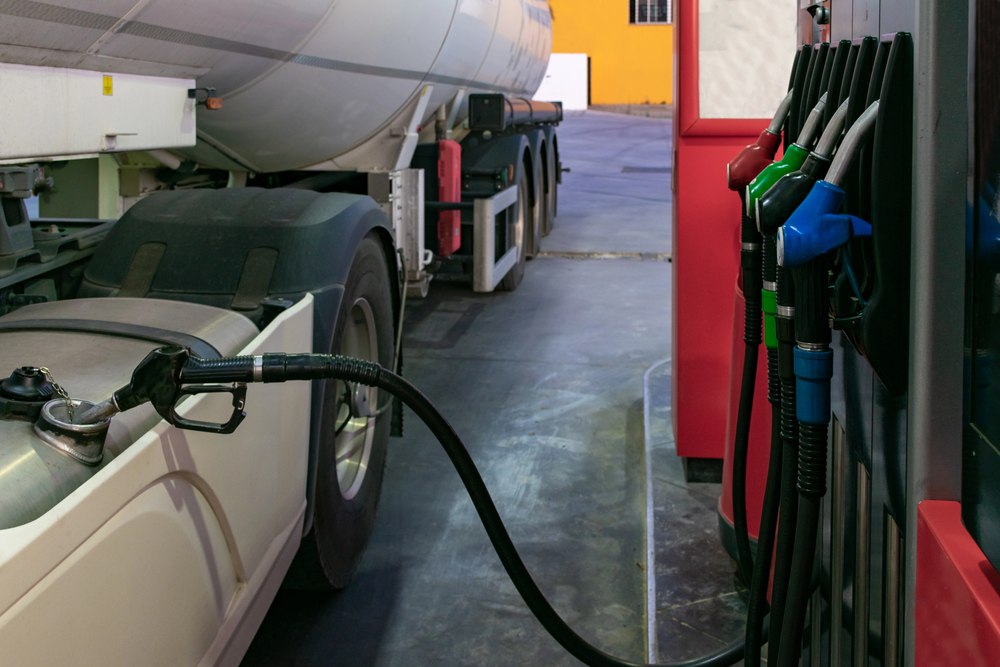
Tajikistan’s Ministry of Agriculture says farmers will be able to purchase diesel at a subsidized price of approximately $1.20 per liter through the Agency for State Material Reserves as fuel shortages intensify across the country. Speaking at a press conference on July 9, First Deputy Agriculture Minister Nurali Asozoda acknowledged that fuel supplies remained under pressure throughout the region. Tajikistan imports most of its petroleum products and liquefied gas from Russia, leaving it vulnerable to disruptions in the Russian fuel market. According to Asozoda, the agency is selling diesel to agricultural producers for about $1.20 per liter, while AI-92 gasoline is available for approximately $0.99 per liter. Commercial filling stations are charging considerably more. Diesel prices have risen to around $1.40-1.66 per liter, while some stations have reported shortages. Asozoda added that the lower prices apply only to fuel distributed through the agency. He said reserve stocks were available in several regions and that agricultural producers could apply to buy fuel. In some cases, farms may also receive diesel on deferred-payment terms to allow them to complete the harvest. Deputy Agriculture Minister Bahrom Ahmadzada said the ministry had submitted proposals to the government in May to support farmers affected by the shortage. One proposal would establish dedicated fuel distribution points operated by the agency in rural districts. The initiative is currently under government review. Authorities are also seeking to diversify Tajikistan’s fuel imports. According to Ahmadzoda, negotiations are underway with Iran, Iraq, Azerbaijan, and Saudi Arabia. He said an agreement had already been reached to import 10,000 tons of fuel from Iraq, while discussions with Azerbaijan and Saudi Arabia were also progressing. The ministry said it was monitoring the fuel situation daily in coordination with the agency and other government bodies. The shortage became more visible in early July, when several filling stations in Dushanbe ran out of diesel. Others limited sales to 20 liters per vehicle. The supply squeeze is particularly serious for agriculture. Farmers rely on diesel to harvest crops, transport produce, and prepare fields for the next planting season. As previously reported by The Times of Central Asia, fuel shortages are spreading across Central Asia. The pressure has affected gasoline and diesel supplies, along with jet fuel, natural gas, coal, and electricity planning. Seasonal fuel pressure is common, but this year’s shortages have appeared unusually early. They are closely linked to disruptions in Russia, the main fuel supplier for much of the region.

Turkmenistan Fuel Duties Force Truck Drivers to Dump Diesel

Since early April, Turkmenistan has imposed restrictions limiting the amount of fuel in the tanks of trucks leaving the country to no more than 300 liters. Any excess fuel may be retained only upon payment of a duty of $5.72 per liter, about 20 times higher than the official domestic price. Faced with these costs, many drivers have opted to dispose of surplus diesel instead. On April 5, turkmen.news posted a video on its Telegram channel showing foreign truck drivers dumping large quantities of diesel directly onto the ground. According to the outlet, the practice is a response to the country’s fuel regulations. Foreign truck drivers are required to pay the duty in U.S. dollars at the official exchange rate, rather than in the local currency. As a result, each additional liter effectively costs about $5.70. By comparison, diesel prices in Hong Kong, often cited among the highest globally, are nearly $2 lower per liter. In Kazakhstan, diesel costs approximately $0.70 per liter, while in Uzbekistan it is around $1. Within Turkmenistan, domestic fuel prices remain heavily subsidized at roughly $0.05 per liter. Only citizens of Turkmenistan are permitted to pay the duty in the national currency, the Turkmen manat. All others must pay in dollars, which are then converted into manats at the official exchange rate of 3.5 manats per dollar. Experienced drivers transiting Turkmenistan typically obtain manats in advance for local expenses. In this case, however, the requirement to pay in foreign currency appears to serve an additional fiscal purpose. As a result, rather than preventing fuel shortages, the policy has caused environmental damage, with significant quantities of diesel dumped onto the soil. Turkmenistan drivers are also reported to engage in similar practices, particularly those traveling to or through Kazakhstan, where refueling is cheaper than paying approximately $1 per excess liter at home. The impact is not limited to environmental concerns. Freight carriers operating within Turkmenistan have already begun increasing logistics prices, reflecting the added costs associated with the new regulations.

Kazakhstan Plans Diesel Fuel Production from Coal

Two projects to produce diesel fuel from coal are underway in Kazakhstan, Energy Minister Yerlan Akkenzhenov said at a government meeting. According to the minister, the projects, each with a capacity of 100,000 tons of diesel fuel per year, are being implemented in the Pavlodar and Karaganda regions. Their costs are estimated at $63 million and $65 million, respectively. As part of efforts to develop the coal chemical industry, a $132 million project is also underway in the Karaganda region to produce metallurgical coke, with a capacity of 1 million tons per year. The minister said the three projects will create about 3,000 jobs. Currently, around 32,000 people are employed in the coal industry. Three additional projects are in the planning stage. These include a coke-chemical production facility in the Karaganda region with coal tar processing capacity of up to 200,000 tons per year, benzene production of up to 35,000 tons, and coke oven gas purification. Authorities are also considering the construction of a plant in the Abai region to produce ammonia and urea from coal (300,000 tons per year of each product), as well as a project to produce up to 2 billion cubic meters of gas from coal. The minister noted that the development of the coal chemical industry faces several challenges, including high capital intensity, technological complexity, and the need to establish an appropriate regulatory framework. He added that developing this sector would reduce dependence on imported petroleum products and increase exports of higher value-added products. The coal industry remains strategically important to the country’s economy. In 2025, coal production reached 115.9 million tons, an increase of 7% compared to the previous year. Domestic consumption totaled 85.9 million tons, while exports stood at 30 million tons. In 2026, coal production is projected to reach 128.9 million tons. Investment in the sector amounted to approximately $655 million in 2025 and is expected to rise to $1.1 billion in 2026. The Times of Central Asia previously reported that Kazakhstan’s coal reserves could meet the country’s energy needs for 200-300 years. The authorities have also approved a coal-fired power generation development program that involves the construction of eight new power plants and the modernization of 11 existing ones.