Tajikistan’s Ministry of Agriculture says farmers will be able to purchase diesel at a subsidized price of approximately $1.20 per liter through the Agency for State Material Reserves as fuel shortages intensify across the country.
Speaking at a press conference on July 9, First Deputy Agriculture Minister Nurali Asozoda acknowledged that fuel supplies remained under pressure throughout the region. Tajikistan imports most of its petroleum products and liquefied gas from Russia, leaving it vulnerable to disruptions in the Russian fuel market.
According to Asozoda, the agency is selling diesel to agricultural producers for about $1.20 per liter, while AI-92 gasoline is available for approximately $0.99 per liter.
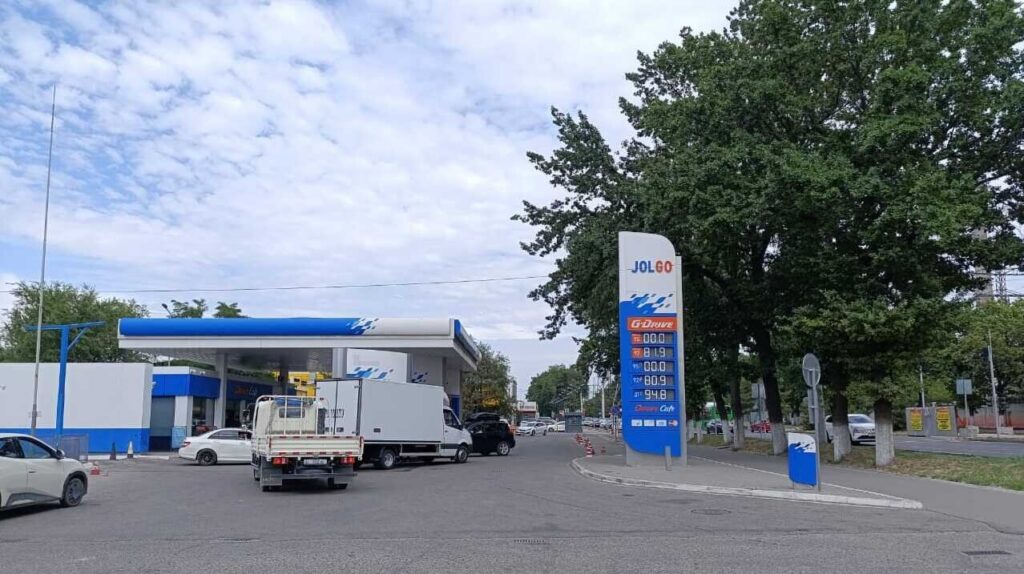
Commercial filling stations are charging considerably more. Diesel prices have risen to around $1.40–1.66 per liter, while some stations have reported shortages.
Asozoda added that the lower prices apply only to fuel distributed through the agency. He said reserve stocks were available in several regions and that agricultural producers could apply to buy fuel.
In some cases, farms may also receive diesel on deferred-payment terms to allow them to complete the harvest.
Deputy Agriculture Minister Bahrom Ahmadzada said the ministry had submitted proposals to the government in May to support farmers affected by the shortage.
One proposal would establish dedicated fuel distribution points operated by the agency in rural districts. The initiative is currently under government review.
Authorities are also seeking to diversify Tajikistan’s fuel imports. According to Ahmadzoda, negotiations are underway with Iran, Iraq, Azerbaijan, and Saudi Arabia.
He said an agreement had already been reached to import 10,000 tons of fuel from Iraq, while discussions with Azerbaijan and Saudi Arabia were also progressing.
The ministry said it was monitoring the fuel situation daily in coordination with the agency and other government bodies.
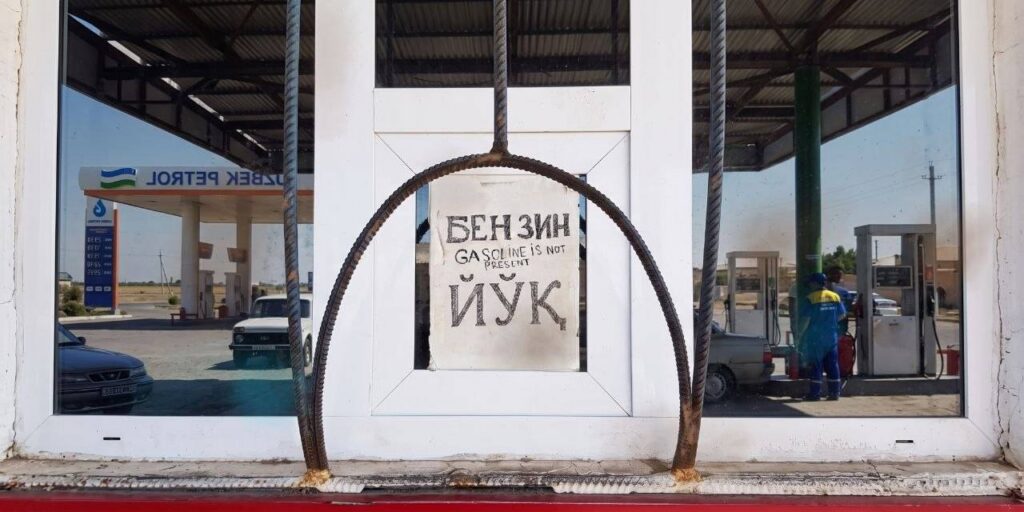
The shortage became more visible in early July, when several filling stations in Dushanbe ran out of diesel. Others limited sales to 20 liters per vehicle.
The supply squeeze is particularly serious for agriculture. Farmers rely on diesel to harvest crops, transport produce, and prepare fields for the next planting season.
As previously reported by The Times of Central Asia, fuel shortages are spreading across Central Asia. The pressure has affected gasoline and diesel supplies, along with jet fuel, natural gas, coal, and electricity planning.
Seasonal fuel pressure is common, but this year’s shortages have appeared unusually early. They are closely linked to disruptions in Russia, the main fuel supplier for much of the region.