Turkmenistan Tightens Diesel Limits as Fuel Shortages Persist
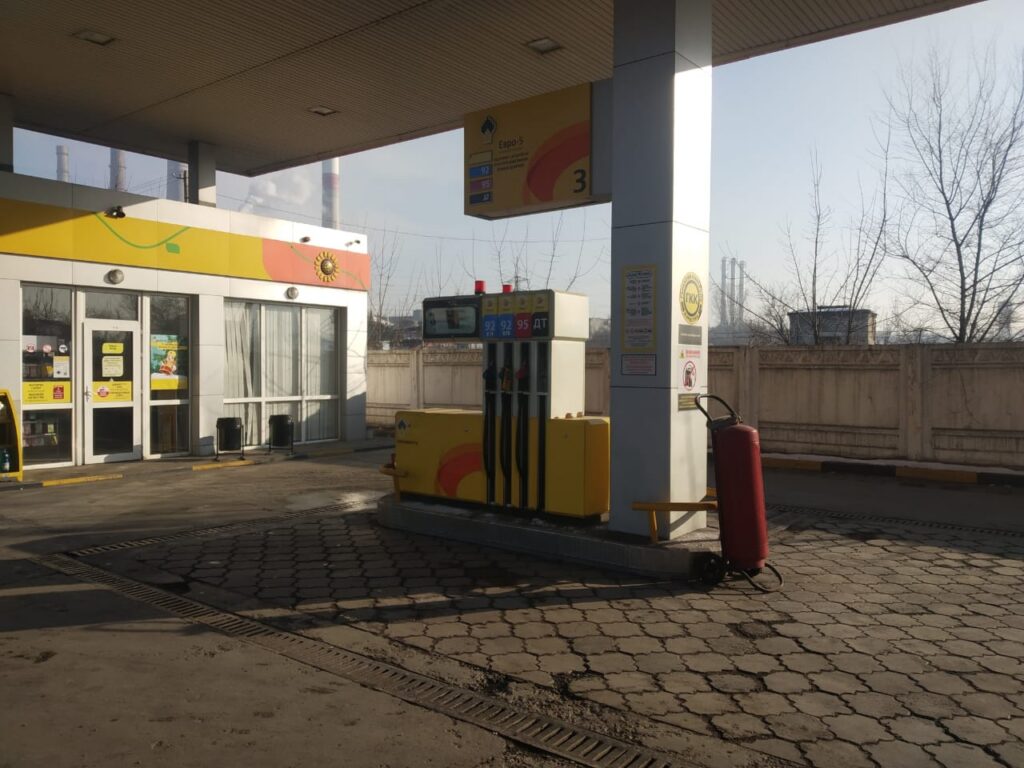
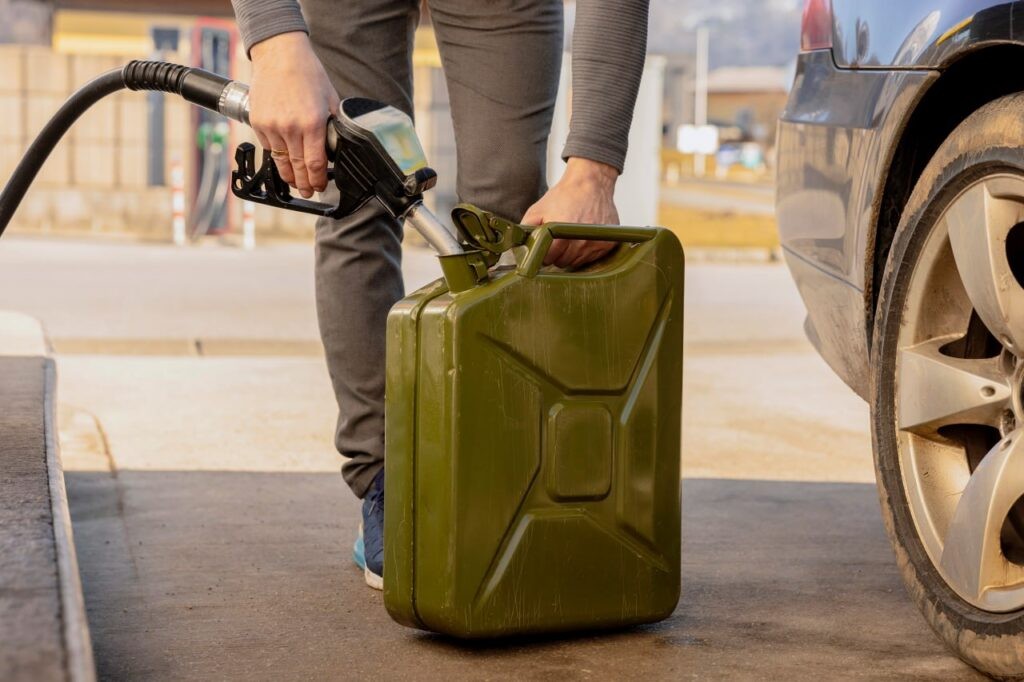
Turkmenistan has halved the amount of diesel that vehicles may carry in their tanks when leaving the country, cutting the limit from 300 to 150 liters from August 10. The charge for every liter above the limit has also risen from 20 manat (about $1) to 30 manat (about $1.50). The move is the second tightening of the rules in several months. According to Chronicles of Turkmenistan, President Serdar Berdimuhamedov signed the relevant decree on August 5. At the beginning of April, vehicles leaving Turkmenistan were limited to 300 liters of diesel in their tanks, with a charge of 20 manat, or about $1 at the market exchange rate, for every additional liter. Enforcement was assigned to the border and customs services, as well as the state-owned concern Turkmenneft, The Times of Central Asia reported. The large price difference between Turkmenistan and neighboring markets creates an incentive to take fuel across the border. In April, The Times of Central Asia reported that diesel in Turkmenistan cost around $0.05 per liter, compared with approximately $1 in Uzbekistan, $0.60 in Kazakhstan, and $0.90 in Russia. Low regulated prices extend beyond diesel. In July, petrol in Turkmenistan cost around $0.43 per liter, placing the country among the world's cheapest markets. By comparison, AI-95 petrol cost about $0.68 in Kazakhstan, approximately $1.02 in Kyrgyzstan, and around $1.34 in Uzbekistan, according to Chronicles of Turkmenistan. Independent media have also reported persistent shortages of petrol and diesel inside Turkmenistan, particularly outside Ashgabat. In July, Turkmen.news reported large queues at filling stations and shortages of both petrol and diesel in the regions. The outlet also published documents indicating problems with aviation kerosene supplies at Ashgabat International Airport. One document from June 2024 said the airport had 2,500 tons of kerosene available, enough for only two to three days at prevailing consumption levels. By December 2024, another document showed reserves had fallen to 728 tons, less than one day's supply. Turkmen.news reported that problems with kerosene allocations continued into 2026. The situation is notable because Turkmenistan produces and refines its own oil. The country has two major refining centers, the Turkmenbashi oil refinery complex on the Caspian Sea and the Seydi refinery in the east. Petroleum products are supplied to the domestic market and also exported. Fuel shortages have occurred repeatedly. In 2024, eastern regions of Turkmenistan experienced serious petrol shortages. Drivers in the Lebap and Mary regions waited for hours at filling stations, while some stations imposed purchase limits. The shortage also disrupted public transport and contributed to higher food prices, The Times of Central Asia reported. The latest border restrictions add another element to this picture. Independent outlets have linked the limits to the wide gap between heavily regulated domestic fuel prices and prices abroad, which creates opportunities for cross-border resale. Halving the diesel allowance to 150 liters further restricts the amount that can leave Turkmenistan in vehicle tanks as reports of domestic shortages continue.