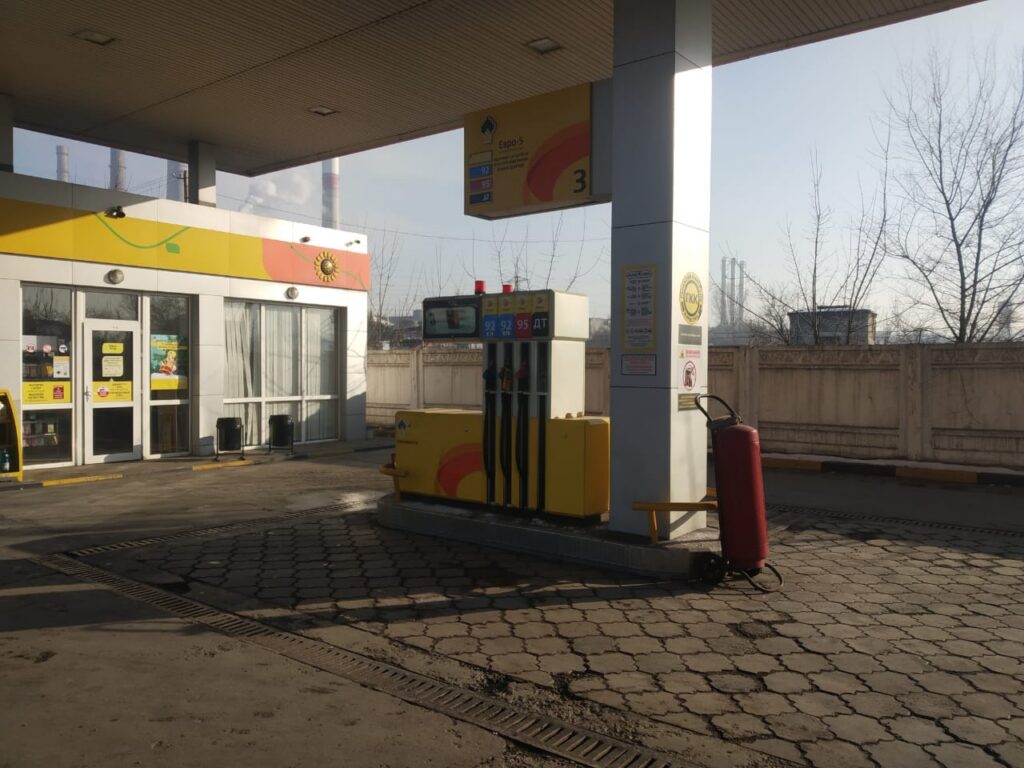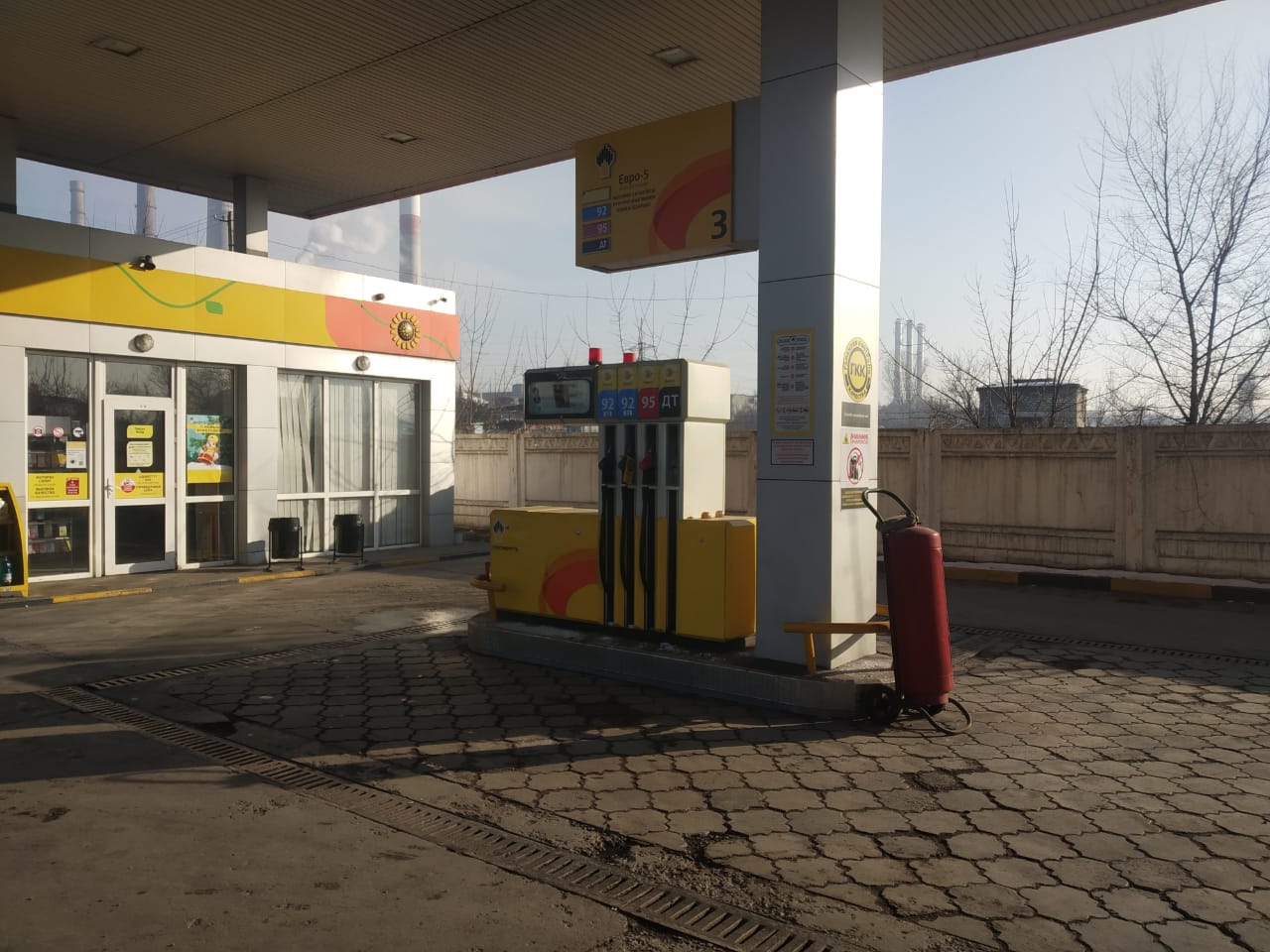
Kyrgyzstan has introduced temporary state regulation of motor fuel prices amid continued increases in the cost of gasoline and diesel, which the country imports largely from Russia.
The Cabinet of Ministers adopted a resolution introducing measures to stabilize fuel prices, ensure economic security, maintain uninterrupted fuel supplies, and support businesses.
Under the resolution, the government will subsidize imports of gasoline, diesel fuel, and liquefied petroleum gas from May 25 through September 30, 2026.
Authorities have established fixed benchmark prices for imported fuel:
- AI-92 gasoline: $860 per ton;
- AI-95 gasoline: $940 per ton;
- diesel fuel: $950 per ton;
- liquefied petroleum gas: $575 per ton.
The difference between market prices and the state-established benchmark prices will be compensated to importers through government subsidies.
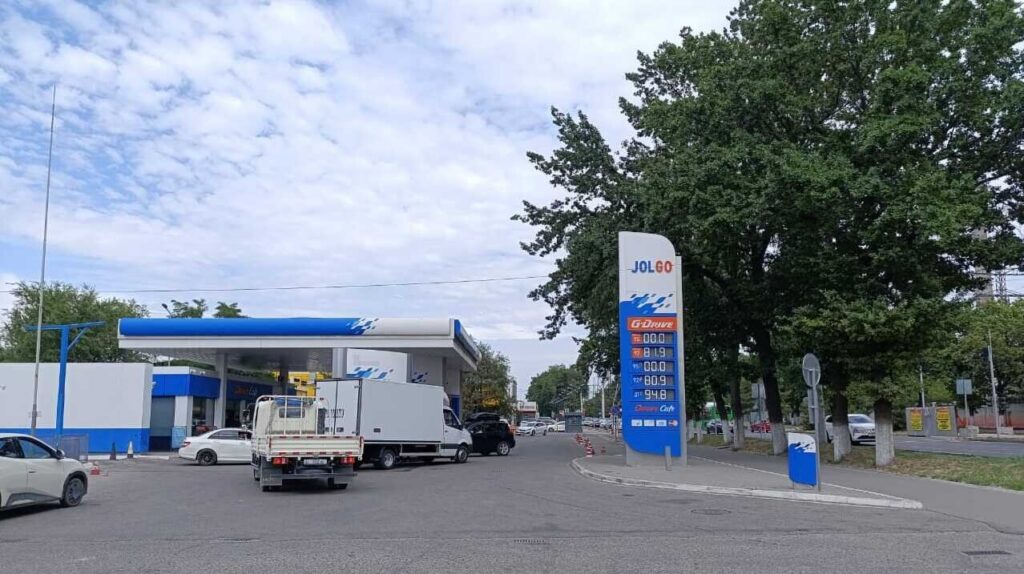
At the same time, the Ministry of Economy has been instructed to introduce temporary state regulation of retail fuel prices by establishing maximum allowable prices.
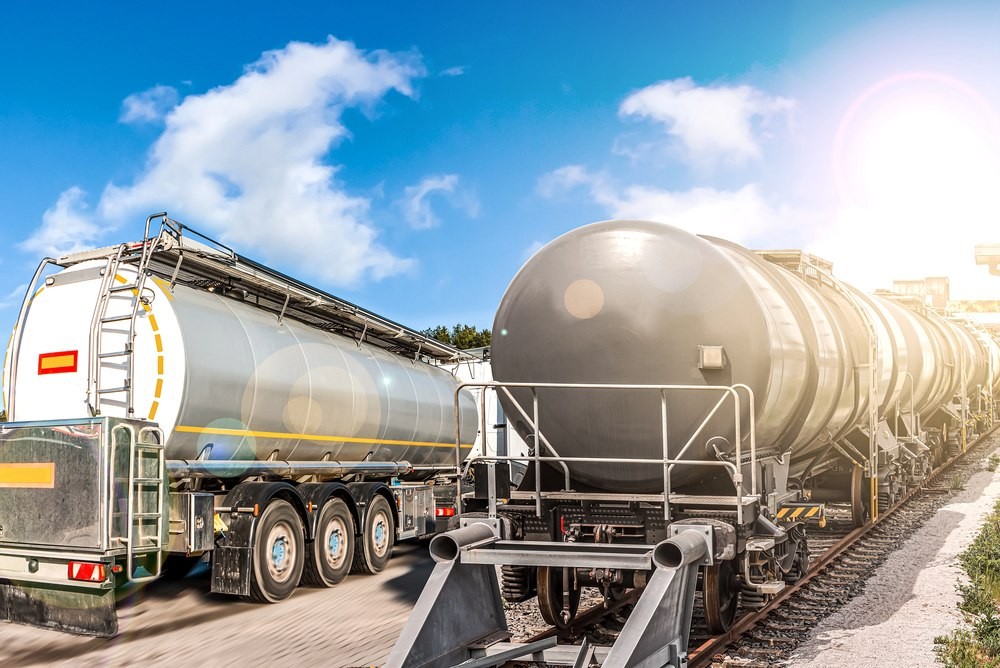
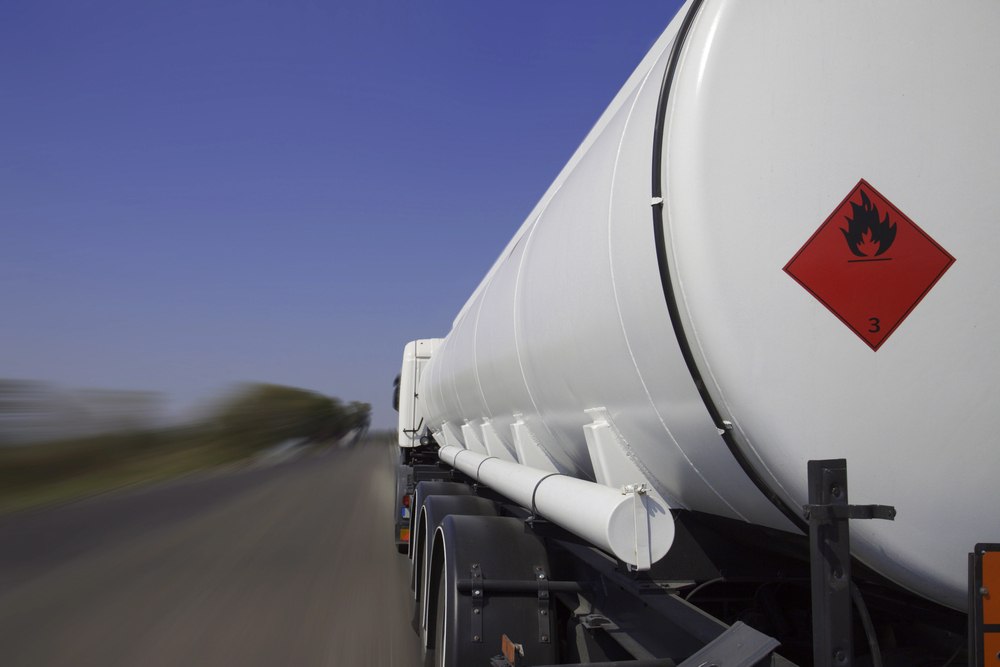
The Cabinet of Ministers has also temporarily lifted restrictions on fuel imports by road transport, although most fuel deliveries to Kyrgyzstan traditionally arrive by rail from Russia.
The decision comes amid mounting pressure on fuel markets across Central Asia. The Times of Central Asia previously reported that by mid-May, Kyrgyzstan’s fuel reserves covered only around one to one and a half months of consumption, while the country’s annual fuel demand is estimated at approximately 1.6 million tons.
Analysts link rising fuel prices across the region to higher global oil prices after tensions involving Iran escalated, as well as to lower refining volumes in Russia following Ukrainian drone strikes on refinery infrastructure.
Kyrgyzstan consumes around 1.6 million tons of motor fuel annually and imports roughly 1.2 million tons, remaining heavily dependent on external suppliers because of its limited domestic refining capacity.