Industrial AI Reaches Kazakhstan’s Factories, but Many Projects Remain Experimental
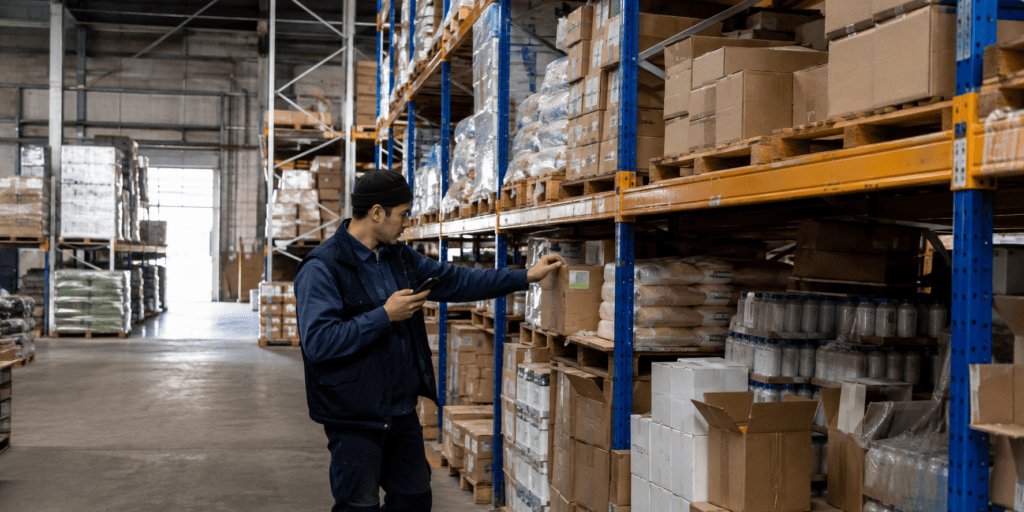
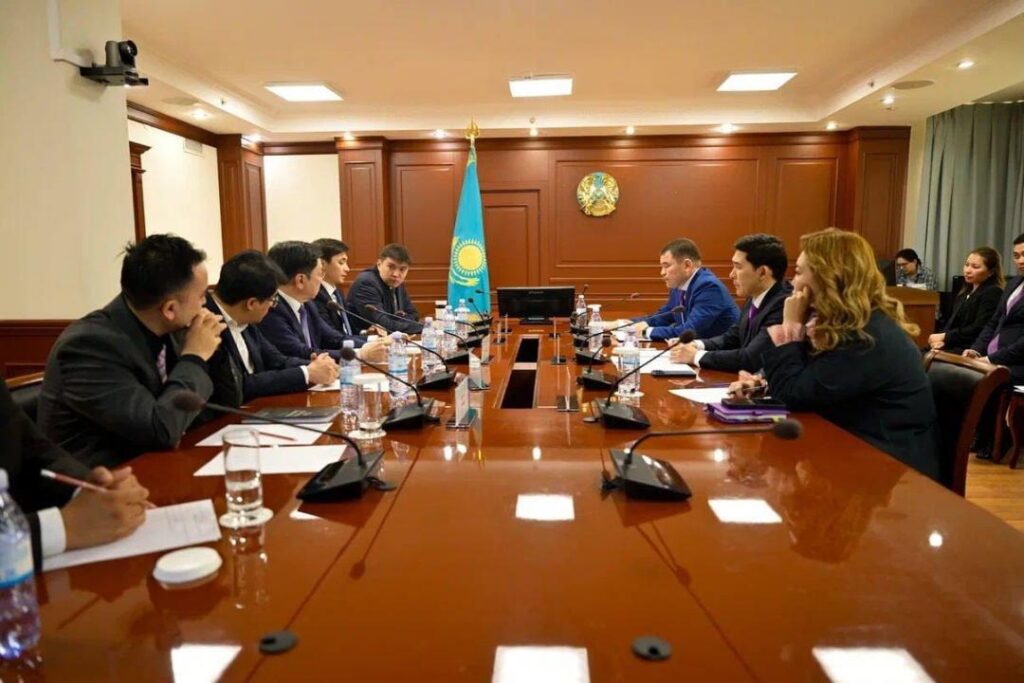
Artificial intelligence (AI) is already monitoring mining trucks, production lines, and workplace safety at industrial sites in Kazakhstan. Yet a gap remains between a successful experiment and technology that works every day at a factory or mine. Closing it was one of the main issues discussed at the third meeting of Kazakhstan’s Council for the Development of Artificial Intelligence. A study by the British Chamber of Commerce in Kazakhstan, with contributions from Narxoz University and the Kazakh-British Technical University, found that 58.8% of AI projects among the industrial companies surveyed remained at the pilot stage, with none reaching full-scale deployment. The sample was small, comprising just 17 executives and specialists from several industrial sectors, so its findings cannot be extrapolated to Kazakhstan’s entire industrial sector. The responses illustrate the problems companies encounter after their first experiments with AI. Respondents most often cited a shortage of in-house specialists and expertise, followed by implementation costs. Yet 70.6% of completed pilots cost less than $50,000. The greater expense can come when the technology has to be integrated with existing equipment, data, and production processes. The government’s 2025–26 roadmap covers 41 projects at 11 major industrial enterprises. They include Qarmet, which operates the country’s largest steelworks in Temirtau; copper producers Kazakhmys and KAZ Minerals; gold producer Solidcore Eurasia; and mining and metals group Eurasian Resources Group (ERG). Industrial AI Acceleration has become one testing ground for deploying artificial intelligence directly at industrial sites. More than 12 companies submitted over 140 problems for AI teams to tackle, including equipment maintenance, safety, and procurement. Of 24 pilot projects initiated under the program, seven have reached industrial operation. Some technologies have already made it onto factory floors and into mines. ERG uses its manufacturing execution system, ERG MES, to monitor production in real time. It collects data on output, technological processes, production losses, and equipment downtime. The Ministry of Industry and Construction estimates the economic effect at around 1.5 billion tenge, or approximately $3.39 million at the official exchange rate on October 2. At KAZ Minerals’ Aktogay copper mine in eastern Kazakhstan, AI is used to manage the movement of mining trucks. Solidcore Eurasia uses the technology in medical examinations for employees working in hazardous production environments. The Council also discussed the bureaucratic obstacles that can hold up successful projects. After a pilot, companies can face further approvals and testing, along with procurement and regulatory hurdles. Tokayev proposed avoiding the entire testing cycle again when a solution has already demonstrated results at a company operating under similar production conditions. The government and Samruk-Kazyna are to select companies for wider AI deployment. Samruk-Kazyna is Kazakhstan’s sovereign wealth fund, which manages state assets across major industries. The government also wants production workers to identify problems for developers. Engineers and operators see equipment downtime, product defects, and wasted materials firsthand. These problems are to form a list of practical challenges for technology companies and researchers. The list is intended in part to guide Qazaq AI Research University, a specialized university...