
• KZT/USD = 0.00210
  • TJS/USD = 0.10810
  • UZS/USD = 0.00008
  • TMT/USD = 0.29850
  • KZT/USD = 0.00210
  • TJS/USD = 0.10810
  • UZS/USD = 0.00008
  • TMT/USD = 0.29850
  • KZT/USD = 0.00210
  • TJS/USD = 0.10810
  • UZS/USD = 0.00008
  • TMT/USD = 0.29850
  • KZT/USD = 0.00210
  • TJS/USD = 0.10810
  • UZS/USD = 0.00008
  • TMT/USD = 0.29850
  • KZT/USD = 0.00210
  • TJS/USD = 0.10810
  • UZS/USD = 0.00008
  • TMT/USD = 0.29850
  • KZT/USD = 0.00210
  • TJS/USD = 0.10810
  • UZS/USD = 0.00008
  • TMT/USD = 0.29850
  • KZT/USD = 0.00210
  • TJS/USD = 0.10810
  • UZS/USD = 0.00008
  • TMT/USD = 0.29850
  • KZT/USD = 0.00210
  • TJS/USD = 0.10810
  • UZS/USD = 0.00008
  • TMT/USD = 0.29850

Viewing results 1 - 6 of 3

Interview: How Kazakhstan Plans to Finance Its Next Railway Expansion

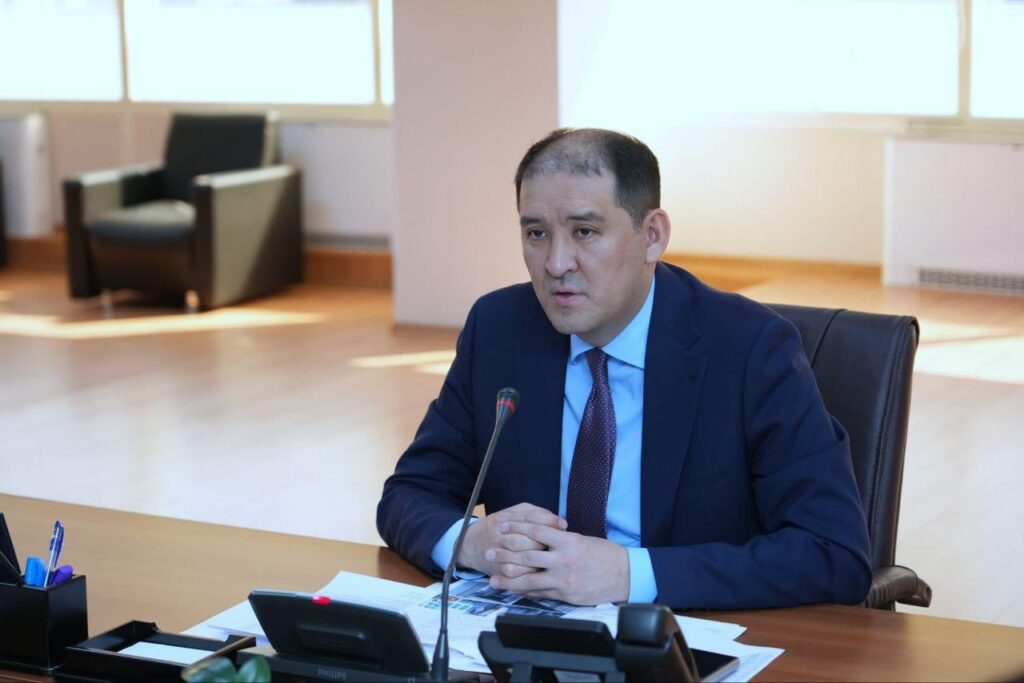
Kazakhstan is preparing for the next phase of its railway expansion. Alongside the major lines already under construction, the authorities are considering new routes and upgrades to existing sections intended to increase network capacity, serve industrial producers, and accommodate growing transit volumes. Implementing those plans will require substantial investment. Some projects may be financed by the state, while others are expected to rely on private capital, international financial institutions, and public-private partnerships. Kazakhstan’s Vice Minister of Transport, Zhanibek Taizhanov, spoke to The Times of Central Asia about construction deadlines, proposed new routes, and whether the country’s railway priorities are beginning to shift. TCA: Kazakhstan is building several major railway projects at the same time. When are the main lines expected to be completed? Zhanibek Taizhanov: The Moyynty-Kyzylzhar and Darbaza-Maktaaral railway lines are scheduled to enter operation by the end of this year. Construction of the Bakhty-Ayagoz line is expected to be completed by the end of 2027. In addition, trial train operations began on the Almaty bypass line in December last year. The authorities previously instructed the Transport Ministry and Kazakhstan Temir Zholy to launch the Moyynty-Kyzylzhar and Darbaza-Maktaaral lines by the end of 2026 and commission Bakhty-Ayagoz by the end of 2027. TCA: The government has called for preparations for the next stage of railway development. Which projects is the ministry considering, and what needs are they intended to address? Zhanibek Taizhanov: The Ministry of Transport, together with Kazakhstan Temir Zholy and the relevant government agencies, has been tasked with examining the next phase of railway infrastructure development, taking into account projected growth in freight flows, transit traffic, and the economy’s long-term needs. The projects under consideration include the construction of second tracks on the Arys-Kazaly section. The project is intended to increase the capacity and carrying capability of one of the key sections of the railway network, support sustained freight growth, and improve transport services for the country’s southern and western regions; construction of the Inderbor-Uralsk railway to improve regional connectivity, make freight transportation more efficient, and create additional opportunities for the industrial and logistics development of western Kazakhstan; modernization of the Kyzylzhar-Shubarkol-Yesil section, which would increase the capacity of a route used to transport coal and mining products and improve logistics for industrial enterprises; modernization of the Inderbor-Makat railway section to improve the transportation of oil, gas, and industrial cargo and develop transport infrastructure in the western regions; and development of railway infrastructure in the Karagaily industrial zone in the Karaganda Region to serve existing and planned production facilities, attract investment, and support the region’s industrial development. These projects are being examined because the railway network needs to develop in step with growing domestic, export, and transit freight volumes. Their implementation would increase infrastructure capacity, meet the needs of industry and logistics, and create additional conditions for the socioeconomic development of the regions. TCA: Existing projects largely expand transit and export routes, while many of the proposed lines are linked to industrial enterprises. Does this signal a...
Kazakhstan Expands Role as a Regional Logistics Hub at TransLogistica 2025

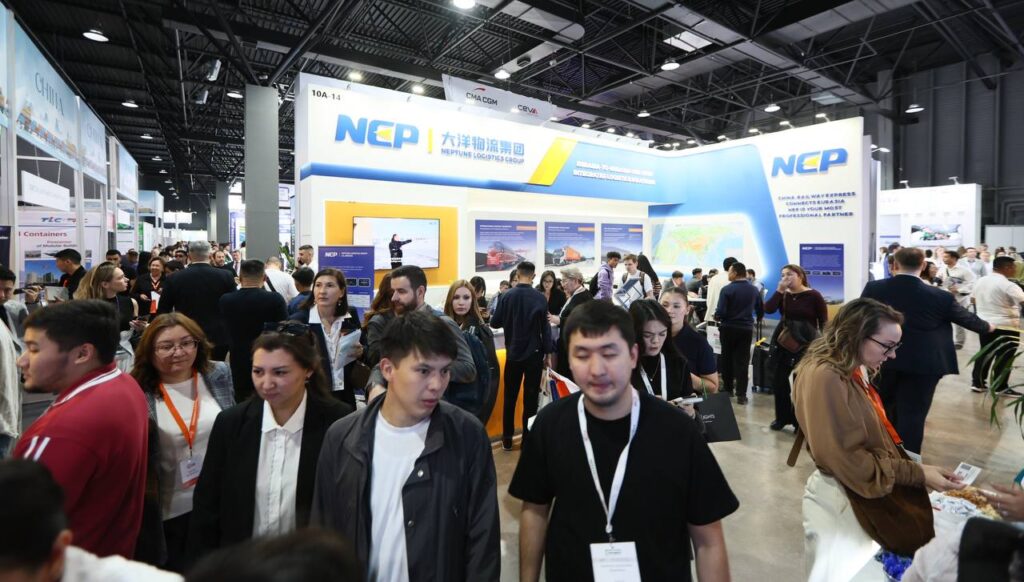
Almaty has reinforced its status as Central Asia’s logistics capital with the opening of the 28th Kazakhstan International Exhibition Transport and Logistics - TransLogistica Kazakhstan 2025. The event, being held at the Atakent Exhibition Center from September 30 to October 2, has gathered 303 exhibitors from 21 countries, underscoring the growing international interest in Kazakhstan’s transport sector. Organizers reported a 21% increase in participation compared with 2024, with new entrants from India, Romania, and Pakistan joining companies from Kazakhstan, China, and Russia. National pavilions represented Belarus, Latvia, Lithuania, and Estonia. Diplomatic and business delegations from several countries, including Finland and Pakistan, also attended. The event combined an exhibition floor with technical seminars led by logistics firms presenting developments in warehousing, machinery, and digital solutions. A central session was the VII International Business Forum “New Silk Way,” which featured a video address by President Kassym-Jomart Tokayev. In his remarks, Tokayev announced the launch of a second track on the Dostyk–Moyynty railway, a project intended to expand export and transit capacity on the Trans-Kazakhstan corridor linking China and Europe. [caption id="attachment_36805" align="aligncenter" width="1280"] Image: TransLogistica Kazakhstan 2025[/caption] Another focus was the Trans-Caspian International Transport Route, known as the Middle Corridor. Kazakhstan and Azerbaijan signed a memorandum aimed at strengthening the route’s role as a multimodal link between Asia and Europe. The agreement follows a series of regional initiatives to adapt to new transport realities and diversify trade flows away from more traditional corridors. Beyond high-level sessions, participants examined practical issues facing the sector. Delegates also visited the Burunday Container Terminal to review operations in intermodal freight and storage. TransLogistica 2025 was organized by Iteca and ICA Events Group with support from Kazakhstan’s Ministry of Transport and the national rail operator Kazakhstan Temir Zholy. While annual exhibitions often serve as promotional platforms, the scale of this year’s event and the agreements announced highlight Kazakhstan’s broader effort to position itself as a transit hub at the center of Eurasian trade routes.

Kazakhstan Expands Role as Key Transit Hub for Chinese Exports to Europe

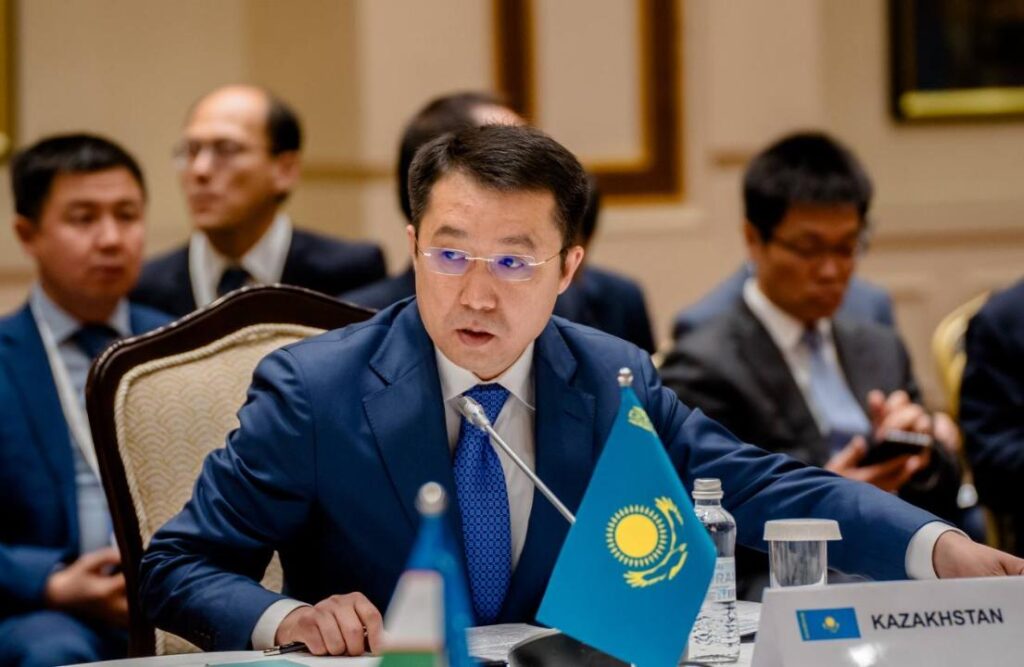
The inaugural Kazakhstan-China Transport Forum, held in Astana on May 15, unveiled a series of initiatives aimed at solidifying Kazakhstan’s position as a major transport and logistics hub for Chinese exports to Russia and Europe. At the forum, Kazakhstan’s Minister of Transport Marat Karabayev and China’s Minister of Transport Liu Wei discussed the development of a new multimodal transit corridor linking Russia, Kazakhstan, and China. The route will utilize the transboundary Irtysh River, as well as the Ili River, establishing a navigable link from the Kazakh city of Kunayev to Yining in China’s Xinjiang region. Key infrastructure plans include the construction of a new cross-border bridge at the Maykapshagay-Zimunay checkpoint to accommodate heavy trucks and the opening of a third international air corridor between the two countries. The ministers also discussed establishing two new road checkpoints to better connect East Kazakhstan and the Almaty regions with China. By the end of 2025, Kazakhstan aims to complete two major rail infrastructure projects: the second track on the Dostyk-Moiynty railway and a bypass line around Almaty station. These upgrades are expected to significantly boost freight capacity and cut cargo transit times between China and Europe via Kazakhstan. Additional developments include the launch of a direct passenger train between Almaty and Xi'an and an expansion of flight services between the two nations to 65 per week. Meanwhile, construction is underway on a new container hub at the Caspian Sea port of Aktau, a joint venture with a Chinese company. Scheduled for completion by year’s end, the facility will expand the port’s annual capacity from 140,000 to 240,000 TEUs. Kazakhstan’s Ministry of Transport reports that in the first quarter of 2025, road freight volumes between Kazakhstan and China surged by 82%, reaching 822,000 tons. Rail freight volumes grew by 13% over the first four months of the year, totaling 11.4 million tons. These developments highlight Kazakhstan’s growing strategic importance in transcontinental logistics, as China continues to diversify its export routes westward.
