
• KGS/USD = 0.01144 0%
  • KZT/USD = 0.00211 0%
  • TJS/USD = 0.10582 0.19%
  • UZS/USD = 0.00008 0%
  • TMT/USD = 0.28530 0%
  • KGS/USD = 0.01144 0%
  • KZT/USD = 0.00211 0%
  • TJS/USD = 0.10582 0.19%
  • UZS/USD = 0.00008 0%
  • TMT/USD = 0.28530 0%
  • KGS/USD = 0.01144 0%
  • KZT/USD = 0.00211 0%
  • TJS/USD = 0.10582 0.19%
  • UZS/USD = 0.00008 0%
  • TMT/USD = 0.28530 0%
  • KGS/USD = 0.01144 0%
  • KZT/USD = 0.00211 0%
  • TJS/USD = 0.10582 0.19%
  • UZS/USD = 0.00008 0%
  • TMT/USD = 0.28530 0%
  • KGS/USD = 0.01144 0%
  • KZT/USD = 0.00211 0%
  • TJS/USD = 0.10582 0.19%
  • UZS/USD = 0.00008 0%
  • TMT/USD = 0.28530 0%
  • KGS/USD = 0.01144 0%
  • KZT/USD = 0.00211 0%
  • TJS/USD = 0.10582 0.19%
  • UZS/USD = 0.00008 0%
  • TMT/USD = 0.28530 0%
  • KGS/USD = 0.01144 0%
  • KZT/USD = 0.00211 0%
  • TJS/USD = 0.10582 0.19%
  • UZS/USD = 0.00008 0%
  • TMT/USD = 0.28530 0%
  • KGS/USD = 0.01144 0%
  • KZT/USD = 0.00211 0%
  • TJS/USD = 0.10582 0.19%
  • UZS/USD = 0.00008 0%
  • TMT/USD = 0.28530 0%

Viewing results 1 - 6 of 6

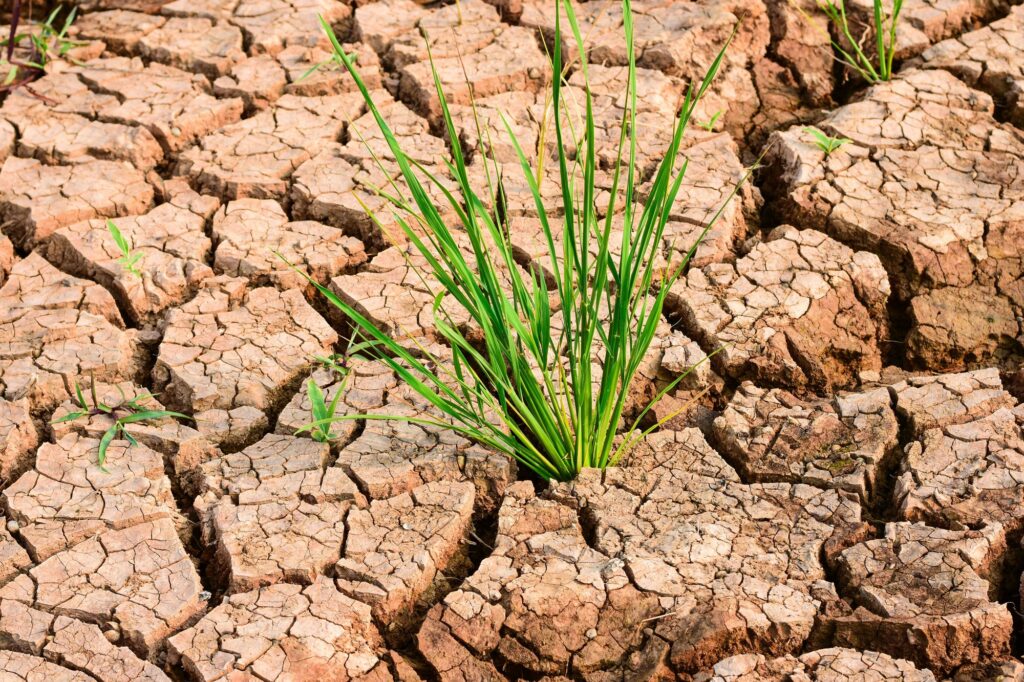
Environmental Pressures Affect Up to 80% of Irrigated Land in Turkmenistan

Environmental pressures in Turkmenistan are intensifying, with desertification, water scarcity, and ecological degradation posing increasing risks to agriculture and public health, according to a recent analysis cited by News-Asia. The study was prepared by experts from the Central Asia Climate Foundation (CACF)’s climate change and green energy project office ahead of a regional environmental summit scheduled for April 22–24 in Astana. Researchers warn that desertification has reached critical levels across large parts of the country. The expansion of the Karakum and Kyzylkum deserts is described as among the fastest globally, threatening farmland, infrastructure, and living standards. Land degradation is being exacerbated by overgrazing, soil salinization and inefficient water use. As a result, up to 80% of irrigated land is affected by elevated groundwater salinity, reducing soil productivity. Water scarcity remains another major challenge. Turkmenistan relies heavily on transboundary rivers, particularly the Amu Darya, leaving it vulnerable to upstream water management decisions. Climate change is also contributing to reduced flows in rivers such as the Atrek, Murgab, and Tejen. Much of the irrigation infrastructure dates back to the Soviet era and suffers from significant losses, while agriculture accounts for around 90% of total water consumption. The analysis highlights the continuing regional impact of the Aral Sea crisis. The drying of the sea has increased the frequency of salt and dust storms carrying harmful substances across Central Asia. In northern regions, including Dashoguz, medical specialists have reported rising rates of respiratory illness and other health problems linked to deteriorating air quality. Environmental risks are also growing along the Caspian Sea coast. According to the report, pollution from hydrocarbon extraction combined with declining water levels is affecting biodiversity and undermining fisheries. At the same time, the government has taken steps to address environmental challenges through national climate programs and reforestation initiatives. Turkmenistan is also participating in international projects, including a regional effort launched earlier this year to combat marine litter in the Caspian Sea with support from the United Nations Development Programme and the United Nations Environment Programme. The upcoming summit in Astana is expected to bring together around 1,500 participants, including government officials and representatives of international organizations, to discuss coordinated responses to environmental threats. Organizers say the meeting could result in a regional action program for 2026-2030 and a joint declaration by Central Asian leaders.

Environmental Damage Assessed at Ritz-Carlton Tashkent Construction Site

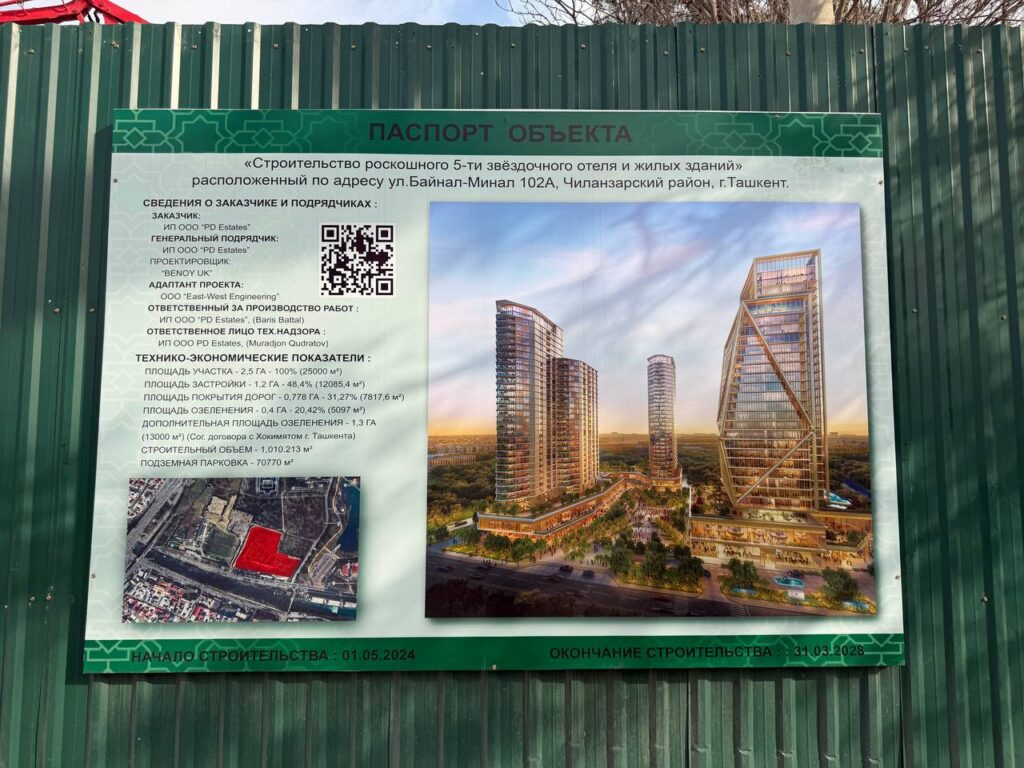
More than a dozen valuable trees have been cut down at the construction site of the Ritz-Carlton Tashkent in central Tashkent, according to Rasul Kusherbayev, adviser to the chairman of Uzbekistan’s Ecology and Climate Change Committee. Kusherbayev stated that the trees were removed from an area adjacent to the National Park in Tashkent. According to preliminary information, the felling was carried out in violation of the existing moratorium on cutting valuable tree species. He added that authorities are still determining whether additional trees were cut at the site. The land plot was reportedly allocated to Azerbaijani investors for the project. Kusherbayev also said that representatives of the construction company opposed attempts to film the tree cutting at the location. The project is being implemented by PD Estates, a joint venture linked to Azerbaijan’s Pasha Holding. The company is constructing a five-star, 150-room hotel under the The Ritz-Carlton Hotel Company brand, with an estimated investment of $200 million. In connection with the case, official documentation has been completed, and environmental damage has been assessed at 351,230,000 Uzbek sum (approximately $29,000). According to Uzbekistan’s Unified State Register of Enterprises and Organizations, PD Estates was registered in November 2023. The company has an authorized capital of 251.3 billion Uzbek sum (approximately $20.6 million) and specializes in construction project development. Its founders are Pasha Development, which holds a 99% stake, and Pasha Holding, which owns the remaining 1%. The company is headed by Baris Battal. The Ritz-Carlton is a luxury hospitality brand and a subsidiary of Marriott International, headquartered in Maryland, United States. It operates more than 90 hotels worldwide. According to the publication Uzdiplomat, in August 2024 Uzbekistan and Azerbaijan agreed to implement seven joint projects worth a total of $520 million. Under that framework, Pasha Development planned to build a $200 million Ritz-Carlton hotel and premium residential complex in Tashkent’s Chilanzar district. On February 29, 2024, President Shavkat Mirziyoyev signed a law strengthening penalties for illegal tree cutting. The amendments significantly increased fines for unlawful felling, introduced a mandatory requirement to plant new saplings in areas where trees have been removed, and extended financial liability to legal entities. Previously, only individuals and officials were subject to penalties. Under the new provisions, companies found guilty of illegally cutting valuable tree and shrub species face fines ranging from 100 to 300 times the base calculation amount, equivalent to approximately 34 million to 102 million Uzbek sum (about $2,800 to $8,400).