• KGS/USD = 0.01144 0%
  • KZT/USD = 0.00193 -0%
  • TJS/USD = 0.10811 -0.28%
  • UZS/USD = 0.00008 0%
  • TMT/USD = 0.28490 0%
  • KGS/USD = 0.01144 0%
  • KZT/USD = 0.00193 -0%
  • TJS/USD = 0.10811 -0.28%
  • UZS/USD = 0.00008 0%
  • TMT/USD = 0.28490 0%
  • KGS/USD = 0.01144 0%
  • KZT/USD = 0.00193 -0%
  • TJS/USD = 0.10811 -0.28%
  • UZS/USD = 0.00008 0%
  • TMT/USD = 0.28490 0%
  • KGS/USD = 0.01144 0%
  • KZT/USD = 0.00193 -0%
  • TJS/USD = 0.10811 -0.28%
  • UZS/USD = 0.00008 0%
  • TMT/USD = 0.28490 0%
  • KGS/USD = 0.01144 0%
  • KZT/USD = 0.00193 -0%
  • TJS/USD = 0.10811 -0.28%
  • UZS/USD = 0.00008 0%
  • TMT/USD = 0.28490 0%
  • KGS/USD = 0.01144 0%
  • KZT/USD = 0.00193 -0%
  • TJS/USD = 0.10811 -0.28%
  • UZS/USD = 0.00008 0%
  • TMT/USD = 0.28490 0%
  • KGS/USD = 0.01144 0%
  • KZT/USD = 0.00193 -0%
  • TJS/USD = 0.10811 -0.28%
  • UZS/USD = 0.00008 0%
  • TMT/USD = 0.28490 0%
  • KGS/USD = 0.01144 0%
  • KZT/USD = 0.00193 -0%
  • TJS/USD = 0.10811 -0.28%
  • UZS/USD = 0.00008 0%
  • TMT/USD = 0.28490 0%
10 December 2025

Viewing results 1 - 6 of 71

Kazakhstan Prepares for the Second Phase of North Aral Sea Restoration

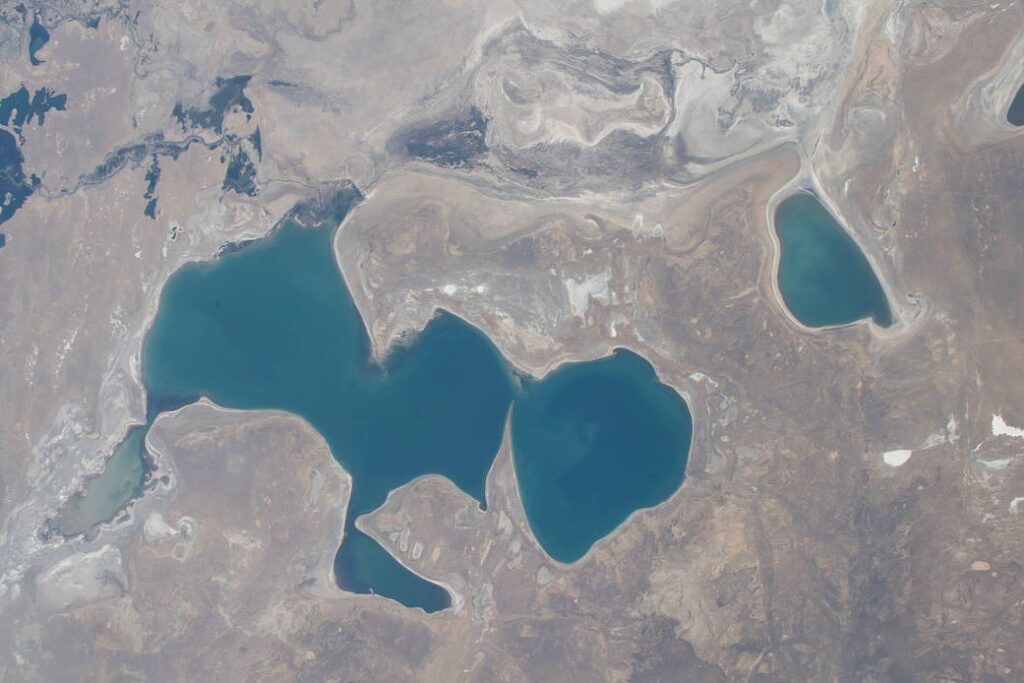
On August 1, Kazakhstan’s minister for water resources and irrigation, Nurzhan Nurzhigitov, chaired a meeting on preparations for the second phase of the North Aral Sea restoration project. The North Aral Sea is the portion of the former Aral Sea fed by the Syr Darya River. It split from the South Aral Sea in 1987–1988, when water levels dropped due to water diversion for agricultural use. The meeting reviewed the preparation of a feasibility study for the project. The project consists of three components. The first component improves conditions for fisheries and the aquatic environment in and near the sea, and stabilizes wetlands in the Syr Darya River delta. The second component supports sustainable economic, social, and environmental activities in Kazakhstan’s Kyzylorda region by developing fisheries, livestock farming, tourism, and forest planting. The third component plans to improve water management systems in the Aral-Syr Darya basin. Nurzhigitov commented: "The project being prepared is a continuation of a large-scale project to regulate the Syr Darya River bed and preserve the North Aral Sea, which was implemented between 2002 and 2010 and positively affected the entire Aral Sea region. The second phase covers many different areas — from the stable provision of the North Aral Sea with water to developing economic and social projects."

Kyrgyzstan to Ban Plastic Bags

Following a ban of plastic bags in biosphere reserves and natural protected areas on June 1 2024, Kyrgyzstan is to prohibit their production, sale and distribution nationwide, from 2027 onwards. Regarding the move, the Ministry of Natural Resources of the Kyrgyz Republic stated: "Plastic and the pollution it causes, is detrimental to human health. Plastic enters the human body as micro- and nano-particles through food, packaging, water, and air. Plastic waste continues to pollute the environment at the disposal stage, and waste disposal workers suffer, especially from close contact with burning plastic." Asel Raimkulova, Deputy Minister of Natural Resources, Ecology and Technical Supervision of Kyrgyzstan, told the Times of Central Asia that whilst the use of plastic products which can be recycled within the country is under review and likely to continue, the ban on plastic bags throughout the country is absolute. Deputy ministers however, have opposed the use of plastic bottles but said that given the lack of alternatives available to Kyrgyz bottling companies, some exceptions will be made. According to eco-activists, Kyrgyzstan has some 80 plants to recycle plastic but since seven out of ten supermarket products are now fully or partially packaged in plastic, they do not have the capacity to process the ever-increasing volume of waste. "For example, in Kyrgyzstan, tetra paks—multi-layer juice or milk cartons that, at first glance, look like cardboard—are not recyclable. In addition to cardboard, such packaging contains a layer of aluminum and several layers of polyethylene. And separating them from each other is not easy,” stressed activists of the environmental movement Peshcom.

Can the Aral Sea Be Saved?

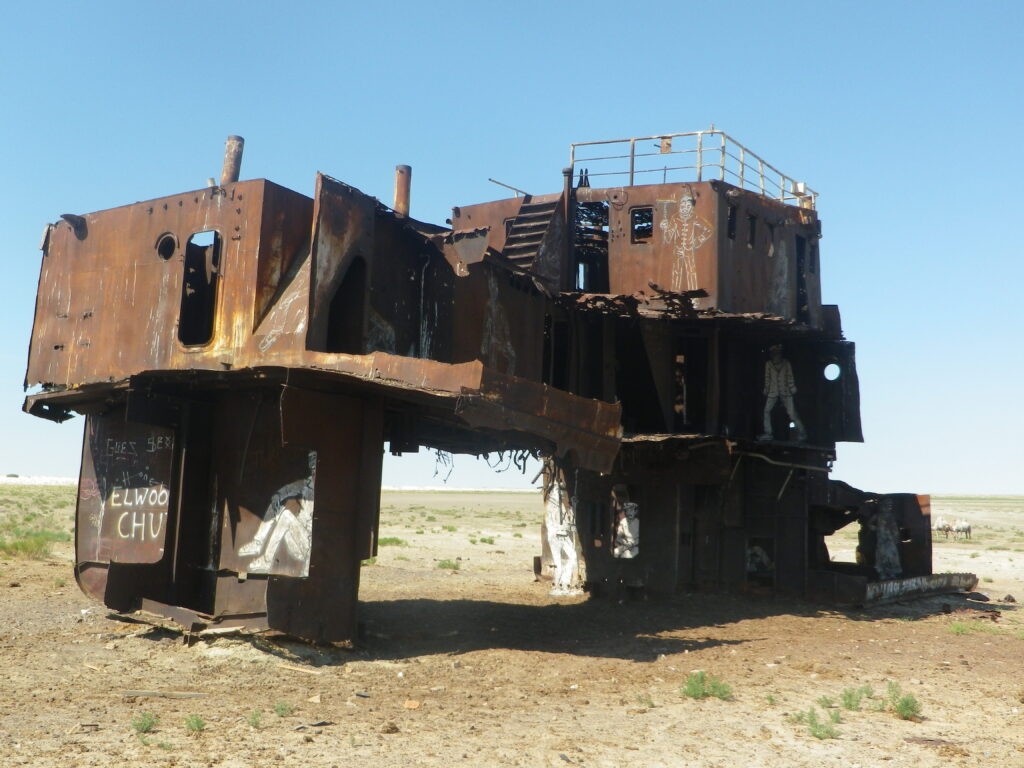
Thanks to cooperation between the Central Asian states, the ultimate demise of the Aral Sea has been prevented. This year, the Northern Aral Sea has significantly replenished its water reserves. The Northern portion of the Aral Sea has received 12.5 times more water this year than the previous year - up to 75 cubic meters per second, the Ministry of Water Resources and Irrigation of Kazakhstan stated in July. The Syr Darya River delivers 650 cubic meters of water per second to the Kyzylorda Oblast. "Joint work has been carried out with Uzbekistan and Kyrgyzstan. In particular, approved water supply schedules are being observed,” Minister of Water Resources and Irrigation, Nurzhan Nurzhigitov explained. Formerly the world's fourth-largest lake covering 68,000 km², the destruction of the Aral Sea first dates back as far as the U.S. Civil War, when, finding his supply of American cotton under threat, the Russian Tsar decided to use the sea’s tributaries to irrigate Central Asia and create his own cotton bowl. With 1.8 million liters of water needed for every bale of cotton, the water soon began to run out. From the 1960s onwards, the sea level began to decline rapidly due to water withdrawal from the main feeder rivers, the Amu Darya and Syr Darya. The local population was growing, and fields needed irrigating. In 1989, the sea split into the Northern (Small) and Southern (Large) Aral reservoirs. [caption id="attachment_21020" align="aligncenter" width="591"] The former port of Zhalanash, Kazakhstan; image: TCA, Stephen M. Bland[/caption] Since independence, the rate of shoaling and desertification have continued to increase. Up until the late-1990s, the land surrounding the Aral Sea was still cotton fields; but today, it’s largely an expanse of salinized grey emptiness. The desiccation of the landscape has led to vast toxic dust-storms that ravage around 1.5 million square kilometers. Spreading nitrates and carcinogens, these storms – visible from space – used to occur once every five years, but now strike ten times a year. By 2007, the Aral had shrunk to one-tenth its original size. In 2014, the eastern part of the Southern Lake dried up completely, and the sea's area reached a historical low of 7,297 km². Over half a century, the volume of water had decreased 30-fold, and the sea's salinity has risen sharply. Nevertheless, Kazakhstan still manages to preserve the remnants of the once colossal lake; the region's fisheries and farms continue, and rare species of birds still inhabit the lands surrounding the shoreline. Today, most scientists say restoring the Aral Sea completely is impossible, but Kazakhstan is attempting to preserve the Northern portion, sometimes referred to as the "Small Aral Sea." In 1993, the International Fund for Saving the Aral Sea (IFSAS) was established, which united Kazakhstan, Uzbekistan, Kyrgyzstan, Turkmenistan, and Tajikistan in this most challenging of tasks. At the time of IFSAS creation, the water area stood at approximately 36,000 km². Over the following decades, it continued to decline, and in 2001 Vozrozhdeniya (Renaissance) Island became connected to the mainland. Vozrozhdeniya contains...

China to Help Kazakhstan Plant Artificial Forests on the Aral Sea

On July 23, Kazakhstan’s minister of ecology and natural resources Erlan Nysanbayev met scientists from the Xinjiang Institute of Ecology and Geography, part of the Chinese Academy of Sciences, to discuss the creation of artificial forest plantations on the dried base of the Aral Sea. Following a proposal to establish a joint Kazakh-Chinese center to resolve environmental issues on the Aral Sea, the Chinese scientists will visit the Kyzylorda region to closely examine work being undertaken on the dried sea base. Spanning across Kazakhstan and Uzbekistan, the Aral Sea was once the fourth largest inland body of water in the world, covering 68,000 km². The destruction of the Aral Sea first dates back as far as the U.S. Civil War, when, finding his supply of American cotton under threat, the Russian tsar decided to use the sea’s tributaries to irrigate Central Asia and create his own cotton bowl. With 1.8 million liters of water needed for every bale of cotton, the water soon began to run out. By 2007, the Aral had shrunk to one-tenth its original size. Up until the late-1990s, the land surrounding the Aral Sea was still cotton fields; today, it’s largely an expanse of salinized grey emptiness. The desiccation of the landscape has led to vast toxic dust-storms that ravage around 1.5 million square kilometers. Spreading nitrates and carcinogens, these storms – visible from space – used to occur once every five years, but now strike ten times a year. According to reports, Kazakhstan intends to plant saxaul shrubs on 1.1 million hectares of dried-up sections of the Aral Sea by 2025. Through joint efforts of the Ministry of Ecology and Natural Resources and the region's administration, 544,500 hectares of saxaul have been sown over the past three years, with a further 275,000 hectares to be planted on the former seabed this year. Wind-borne salt and dust cause significant damage to areas adjacent to the Aral Sea and their inhabitants. Every year, over 100 million tons of salt, dust, and sand are blown from the bottom of the former Aral Sea and mixed into the air.

New Measures to Boost Agriculture in Uzbekistan

On May 10, Uzbekistan President Shavkat Mirziyoyev was presented with proposed adaptations in agricultural practice and the more efficient use of land in the light of climate change. In Uzbekistan, 3 million hectares of pastural and agricultural land have been now degraded, and approximately 2 million hectares, salinized. According to experts, by 2030, water resources in the region are at risk of diminishing by almost 6 percent as a direct result of climate change. In response, Uzbekistan has developed a national program, for which over $294 million is anticipated in grant funding, to adapt agriculture to climate change and mitigate its impact. The initiative aims to improve the condition of 1 million hectares of agro-ecological landscape and degraded pastures in the Aral Sea region. Protective forest belts will be created in Karakalpakstan, as well as in Khorezm, Bukhara, and Kashkadarya regions and drought-resistant plants such as licorice, rose hips, and sesame, cultivated in areas where water is scarce. A center will be established to analyze and forecast climate change, and agrometeorological stations installed in five regions of the country. In cooperation with Italy, a further center with a nursery will be built for intensive seed cultivation alongside a farm for plants resistant to drought and salinity. Since the need to preserve water is particularly acute in areas surrounding the lower reaches of the river Amu Darya, subsidies are to be allocated for laser-leveling land in Karakalpakstan. Grain and rice producers will be reimbursed up to 100 percent of the fuel costs required to level land using a laser level, in a move to increase yields and reduce water consumption by 15-20 percent. The program also encourages farmers to build more greenhouses. In recent years, the spread of greenhouses has increased 2.6-fold, and the volume of produce grown in such, has more than tripled. The greenhouse sector currently provides 80,000 thousand permanent jobs and a further 70,000 seasonal posts. To increase the efficiency of greenhouse farms, the program proposes to reimburse greenhouse owners 50 percent of the costs of hiring qualified foreign agronomists, as well as up to 20 percent of the costs of coal heaters.

Global Ecological Connectivity Partnership Launches in Uzbekistan

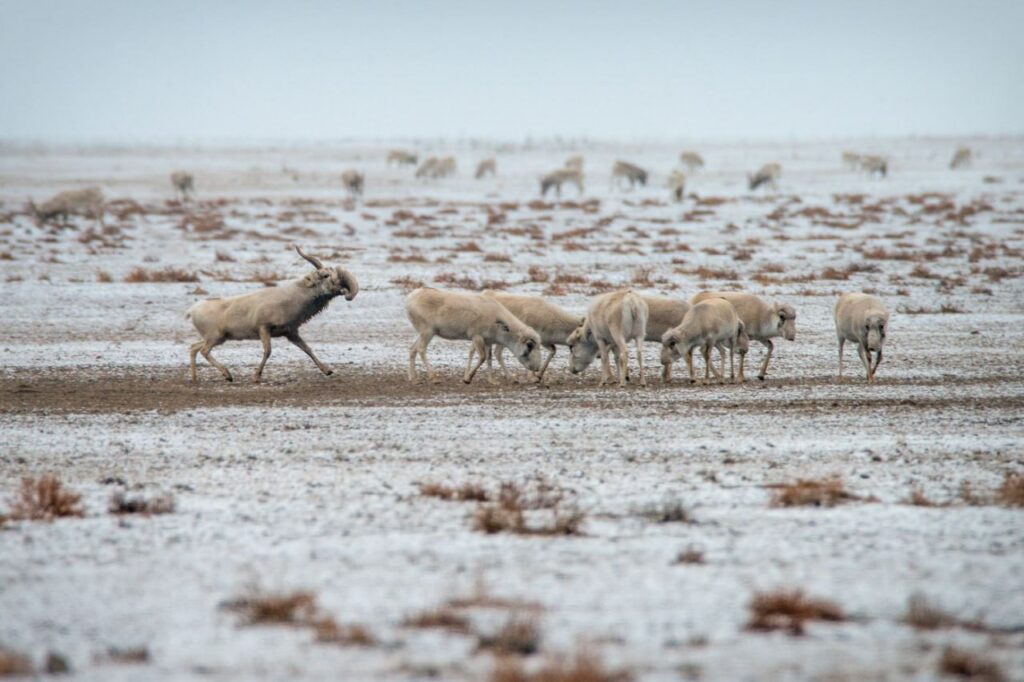
The Global Partnership on Ecological Connectivity (GPEC) — a major new initiative to ensure that areas that are important to migratory animals are identified, protected and connected — was launched on February 14th on the margins of the 14th Meeting of the Conference of the Parties to the Convention on the Conservation of Migratory Species of Wild Animals in Samarkand, Uzbekistan.  The Convention on Migratory Species (CMS) is an environmental treaty of the United Nations that provides a global platform for the conservation and sustainable use of terrestrial, aquatic and avian migratory animals and their habitats.   Amy Fraenkel, the executive secretary for the CMS, commented: “The launch of this new global partnership is a direct and immediate response to some of the key recommendations of the flagship CMS report, the State of the World’s Migratory Species, released just two days ago at the opening of the conference. The report calls for increased actions to identify, protect, connect and effectively manage important sites for migratory species. This is exactly what this alliance is about, as it will ensure that actions to address ecological connectivity are mobilized around the world. GPEC's objective is to ensure that ecological connectivity is maintained, enhanced, and restored in places of importance for migratory species of wild animals. But ecological connectivity is not just relevant to migratory species. It also plays a major role in addressing effective biodiversity conservation, land restoration and climate change mitigation and adaptation across terrestrial, freshwater, and marine ecosystems".  Aziz Abdukhakimov, the minister of ecology, environmental protection, and climate change of Uzbekistan, added: "Nature does not recognize man-made boundaries. Uzbekistan is acutely aware of this fact, as evidenced by the devastating effects of the Aral Sea's depletion on humans and wildlife across Central Asia and beyond. By contributing to the CMS Global Ecological Connectivity program, Uzbekistan is participating in a worldwide effort to protect migratory species. This collaboration underscores Uzbekistan's belief in the power of nature to unite nations, necessitating a collective effort to protect it."