• KGS/USD = 0.01144 0%
  • KZT/USD = 0.00213 0%
  • TJS/USD = 0.10562 0%
  • UZS/USD = 0.00008 0%
  • TMT/USD = 0.28530 0%
  • KGS/USD = 0.01144 0%
  • KZT/USD = 0.00213 0%
  • TJS/USD = 0.10562 0%
  • UZS/USD = 0.00008 0%
  • TMT/USD = 0.28530 0%
  • KGS/USD = 0.01144 0%
  • KZT/USD = 0.00213 0%
  • TJS/USD = 0.10562 0%
  • UZS/USD = 0.00008 0%
  • TMT/USD = 0.28530 0%
  • KGS/USD = 0.01144 0%
  • KZT/USD = 0.00213 0%
  • TJS/USD = 0.10562 0%
  • UZS/USD = 0.00008 0%
  • TMT/USD = 0.28530 0%
  • KGS/USD = 0.01144 0%
  • KZT/USD = 0.00213 0%
  • TJS/USD = 0.10562 0%
  • UZS/USD = 0.00008 0%
  • TMT/USD = 0.28530 0%
  • KGS/USD = 0.01144 0%
  • KZT/USD = 0.00213 0%
  • TJS/USD = 0.10562 0%
  • UZS/USD = 0.00008 0%
  • TMT/USD = 0.28530 0%
  • KGS/USD = 0.01144 0%
  • KZT/USD = 0.00213 0%
  • TJS/USD = 0.10562 0%
  • UZS/USD = 0.00008 0%
  • TMT/USD = 0.28530 0%
  • KGS/USD = 0.01144 0%
  • KZT/USD = 0.00213 0%
  • TJS/USD = 0.10562 0%
  • UZS/USD = 0.00008 0%
  • TMT/USD = 0.28530 0%

Viewing results 1 - 6 of 216

Central Asia and South Korea Seek to Expand Cooperation

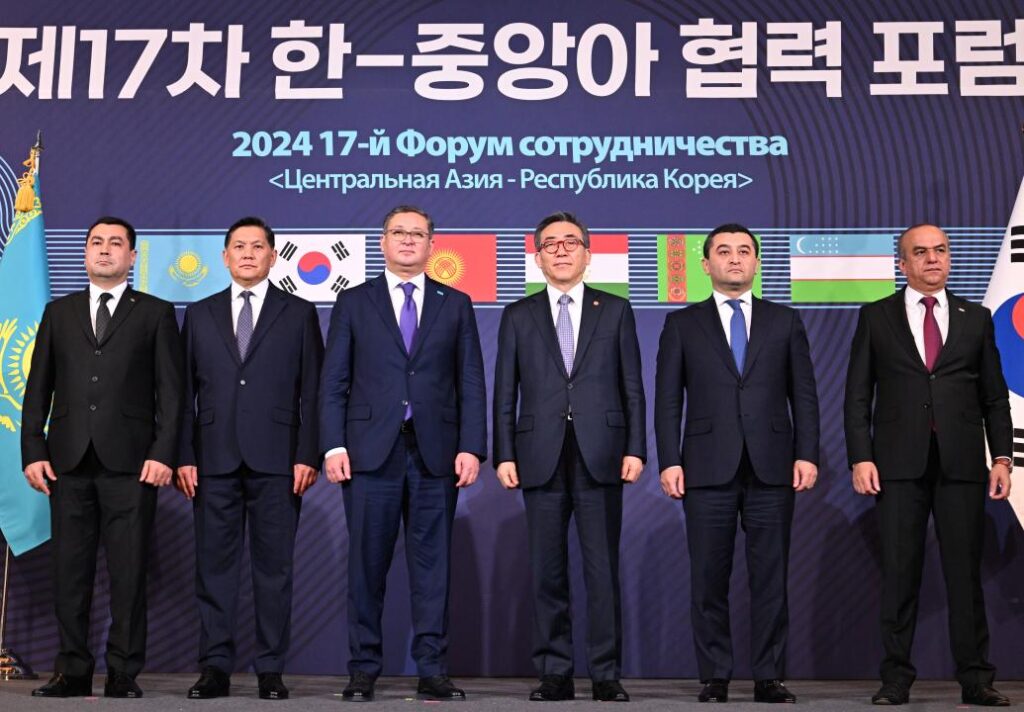
The 17th Central Asia–Republic of Korea Cooperation Forum, which took place in Seoul on November 4, addressed key areas of partnership between Central Asian countries and South Korea in sectors such as transport and logistics, energy, critical minerals, digital transformation, environmental issues, and tourism. Speaking at the forum, Kazakhstan’s Minister of Foreign Affairs, Murat Nurtleu, emphasized the importance of transport connectivity for the region’s sustainable economic growth. Kazakhstan is developing the Trans-Caspian International Transport Route to ensure safe and efficient cargo transportation from Asia to Europe. The Kazakh minister invited Korean companies to participate in major projects to expand the route’s capacity to 10 million tons of cargo annually. Addressing energy cooperation, Nurtleu highlighted Kazakhstan’s abundant natural resources, including rare earth metals and uranium. The Kazakh Foreign Minister expressed hope that Korean companies would join projects for resource extraction and processing and participate in a consortium to construct a nuclear power plant in Kazakhstan. Nurtleu stated, "Central Asian countries and the Republic of Korea are natural partners connected by a shared history, Altai heritage, and traditional trade relations dating back to the Silk Road era. The Republic of Korea is increasingly vital in the economic and technological development of the entire Central Asian region.” At the forum, Kyrgyzstan’s First Deputy Minister of Foreign Affairs, Asein Isaev, highlighted the growing role of South Korea as a high-tech nation interested in strengthening supply chains for energy resources and rare earth metals and developing transport and logistics routes with Kyrgyzstan and other Central Asian countries. As part of the forum, South Korea's President Yoon Suk Yeol met with the heads of Central Asian delegations and pointed out Korea’s interest in strengthening relations with Central Asian countries through the K-Silk Road initiative. This strategic program supports Korean infrastructure development in Central Asia in exchange for improved access to the region’s raw materials and critical minerals. During his visit to Kazakhstan in June, Yoon Suk Yeol emphasized the importance of strengthening the strategic partnership between Kazakhstan and South Korea to supply critical minerals.

Kazakhstan and France – Key Take-Aways From Tokayev’s Trip to Paris

As The Times of Central Asia has reported, President Kassym-Jomart Tokayev paid a state visit to Paris, during which he met with his French counterpart and held fruitful talks with representatives of major European companies. After the bilateral talks, Tokayev and French President Emmanuel Macron issued a joint statement. “This visit is significant for us. France is a close and reliable partner of Kazakhstan in the European Union. For 34 years, our relations have acquired a strategic character. Astana and Paris have established a political dialog based on mutual understanding at all levels. Ties in trade and economic, investment, cultural, and humanitarian spheres have been strengthened; a clear legal framework has been formed. Interaction within the framework of international organizations has expanded. I am confident that our partnership, based on unshakable friendship and mutual support, will be successful in the future,” Tokayev said. Both parties stated that they consider it necessary to develop trade and economic cooperation. “Last year, the two countries' trade turnover amounted to $4.2 billion. And this year, we reached this figure in 9 months. France ranks sixth in terms of investment in our country. French companies, including Alstom, Total Energies, Air Liquide, Orano, Vicat, Danone, and Lactalis, have invested heavily in Kazakhstan, reaching about $19.5 billion. Cooperation in the oil and gas, mining, industrial, construction, aviation, engineering, and health care sectors is being strengthened,” the Kazakh president said. In addition, Tokayev met in Paris with a potential supplier of nuclear technology for the construction of nuclear power plants, the CEO of Électricité de France (EDF), Luc Remona. According to the official website of the President of Kazakhstan, Akorda, “The French company is on the short list of potential suppliers of nuclear technology for constructing nuclear power plants. The country is considering the establishment of an international consortium as one of the potential models for the realization of this crucial project.” President Tokayev also participated in an investment roundtable attended by the heads of France's largest companies. “We are pleased to be one of France's main trade, economic, and investment partners in Central Asia. Kazakhstan now accounts for more than 80% of France's trade with the region. This year, bilateral trade volume has increased by 45%,” Tokayev said. The President also outlined promising areas of economic ties for the two countries. “Energy has always been a key sector of our cooperation. Astana is a major supplier of oil and uranium to the European Union and is ready to support France's energy sovereignty further. We expect an intensified presence of French industry in Kazakhstan, with which we associate the introduction of advanced technologies in our production sphere. Given that our country is the largest uranium producer in the world, and France has extensive experience in the nuclear industry, we could cooperate in civilian nuclear energy,” Tokayev stated. Tokayev emphasized that massive international companies are interested in implementing large-scale wind, solar, and hydropower projects in Kazakhstan. For example, Total Energies plans to invest $1.1 billion in a one-gigawatt wind...

Alstom to Supply 117 Locomotives to Kazakhstan

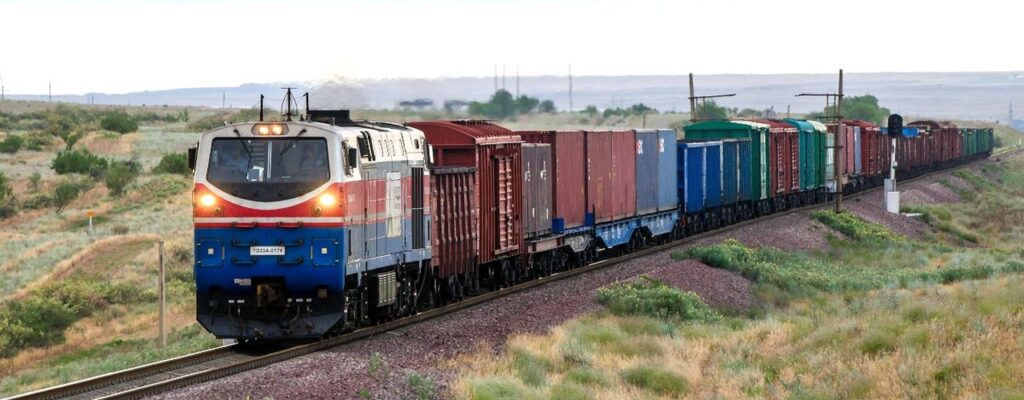
Kazakhstan’s national railway company, Kazakhstan Temir Zholy (KTZ), Electric Locomotive Assembly Plant, and France’s Alstom have agreed to supply 117 freight electric locomotives by 2028 and establish service centers for them. The document was signed at Paris's November 4 Kazakhstan-France Business Council meeting. These powerful electric locomotives, capable of hauling freight trains weighing up to 9,000 tons, will replace the outdated VL-80 locomotives of the 1980 model. The new locomotives' advantages include lower cost, more economical power consumption, high reliability, and lower maintenance costs. The French bank Société Générale will provide preferential financing for the purchase of the locomotives. Kazakhstan's railways play a strategic role in its economy. The country is a key transit hub for rail cargo transportation along the Trans-Caspian International Transport Route (TITR), also known as the Middle Corridor, which connects China and Europe. Today, more than 50% of freight in Kazakhstan is transported by rail. Kazakhstan Temir Zholy, the country’s national railway company, reported transporting more than 122 million tons of cargo from January to June 2024.

American Chamber of Commerce in Kyrgyzstan: Future Development and Investment Climate

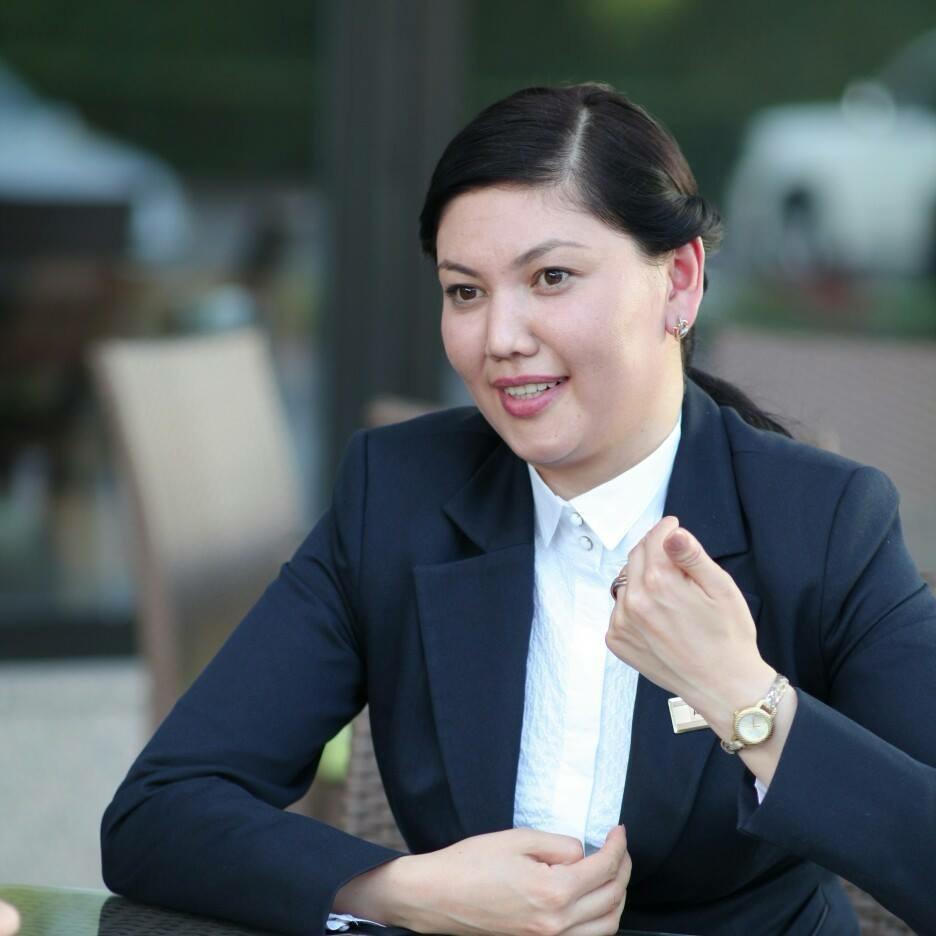
As Central Asia continues to become a regional hub for trade and innovation, The Times of Central Asia spoke with Altynai Asanova, the Executive Director of the American Chamber of Commerce in the Kyrgyz Republic, to discuss the investment climate in Kyrgyzstan, economic trends, and future development. TCA: I see that your background is primarily in hotel management and sales; how did you transition from this role to your current position? “My background includes 18 years in the hotel business. Ten years at Hyatt, starting in food and beverage and ending in the hotel sales department; then, I worked at the Orion Hotel for the pre-opening and opening stage for about three years. After this, I was hired by Sheraton, one of the Marriott chain hotels, to work on the pre-opening and opening stage for two years. I was still involved with the business audience and wanted to continue working with the stakeholders and companies who know me.” TCA: How would you describe the hospitality industry in Kyrgyzstan? Is it mainly in Bishkek or other regions? “It is developing; before, it was only the Hyatt. Now, there are three or four chain hotels in Bishkek. It is good that there are more players in the market. It is developing day by day. The development is mainly in Bishkek, but we have good perspectives for Issyk Kul as long as the roads and infrastructure are completed. The chain hotels are also becoming interested in Issyk Kul. The good thing is that enough businessmen understand and accept the market challenges in Issyk Kul. They know it will not be financially stable at launch since the busy season is only about 50 days. But if the hotels provide full service and comfort, people will travel there for the full season.” TCA: Stepping away from hospitality, what did American investment in Kyrgyzstan look like ten years ago?” “Before, there was an American base in Kyrgyzstan. During that time, the hospitality business was amazing. The rates were high considering the charter flights and pilots who needed a place to stay. Now, these rooms are listed at the lowest rates. At that time, the Hyatt was the only five-star hotel in Bishkek, so all the American guests were staying at the Hyatt. The investment climate dropped after the U.S.-Kyrgyzstan agreement ended. There is opportunity, but it goes slowly.” TCA: Since then, what has changed in the business climate? “Business-wise, if we look from the angle of the association, we do not have any purely American business; we have franchise members: KFC, Hyatt, Sheraton, and some banks. It would be nice to have purely American [businesses] here.” TCA: Who are the current major investors in the Kyrgyz market? And is competition relevant to win contracts with local companies? “China, Russia, Kazakhstan, the Netherlands, and Turkey are the main investors. Before making any contracts or tenders, we need to understand the possibilities of our market, ‘Is our country ready to accept this level of business?’ The first question...

IFC Provides $240 Million Loan to Boost Uzbekistan’s Renewable Energy

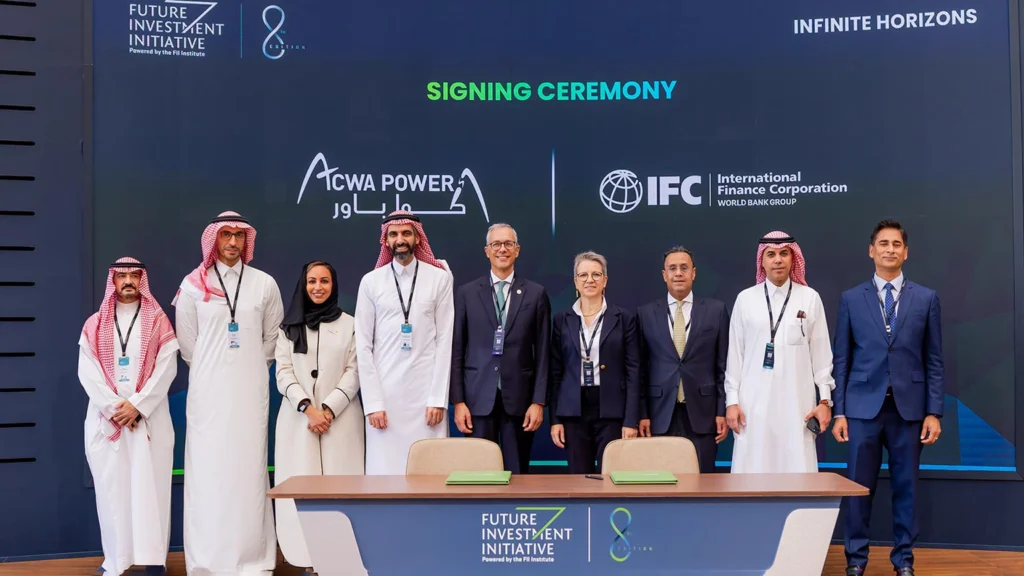
The IFC has announced a $240 million Islamic Equity Bridge Loan for ACWA Power to boost Uzbekistan’s renewable energy sector. The announcement was made at the 8th Future Investment Initiative conference in Riyadh, Saudi Arabia. The financing will cover a 1-gigawatt solar PV plant, a 668-megawatt Battery Energy Storage System (BESS), and around 500 kilometers of high-voltage transmission lines. These projects aim to advance Uzbekistan’s clean energy goals, potentially cutting greenhouse gas emissions by 1.3 million tons of CO2 annually and generating around 2,400 gigawatt hours of electricity per year. Al Muhaidib, ACWA Power's Chief Financial Officer, stated that “we are honored to collaborate with IFC on this transformative project in Uzbekistan, which embodies our shared vision of advancing sustainable energy solutions. This initiative will establish a new standard for cross-border ACWA Power recourse funding support, effectively addressing energy demands while championing environmental sustainability.” The $240 million financing, structured as an Islamic Finance Murabaha, includes an A-Loan of up to $227.75 million and a $12.25 million trust loan through IFC’s Managed Co-Lending Portfolio Program. This funding will support ACWA Power’s equity contributions to the project’s development over the next four years. By optimizing equity returns, this structure helps project developers offer competitive tariffs and attract private investors, advancing Uzbekistan’s goal of reaching 40% renewable energy by 2030. “This project reflects IFC’s commitment to tackling climate change, accelerating the clean energy transition in emerging markets, and supporting public and private sector entities in Saudi Arabia with innovative investments in the region and beyond,” said Laura Vecvagare, IFC’s Regional Head of Industry for Infrastructure and Natural Resources in the Middle East, Central Asia, Türkiye, Afghanistan, and Pakistan. Saudi company ACWA Power’s investment portfolio in Uzbekistan now includes eight projects worth over $6.8 billion, with a more than 5.5 GW design capacity. The company’s success highlights Uzbekistan as an attractive investment hub and a leader in renewable energy in Central Asia.

Kazakhstan Hosts Meeting of Council of Foreign Investors

Astana's Palace of Independence hosted the 36th meeting of the Foreign Investors Council. Kazakhstan's President Kassym-Jomart Tokayev and Prime Minister Olzhas Bektenov attended the event. This year's central theme was “Kazakhstan's New Investment Cycle.” The meeting discussed strategies for the new investment cycle and the development of Kazakhstan's attractiveness to investors. Citing data from the International Institute for Management Development (IMD), Tokayev emphasized that Kazakhstan has become one of the world's top 35 competitive countries. “We set ourselves a rather ambitious goal: to attract $150 billion of foreign direct investment by 2029. To realize this goal, the Investment Headquarters under the Government is endowed with expanded powers to solve emerging problems promptly,” said the president. Tokayev noted the merits of international oil companies, which have played an essential role in the country's development. “Foreign investors have invested capital and provided advanced technologies and highly skilled labor. Their investments have contributed to the growth of our energy industry: over the past 30 years, oil production has tripled. Thanks to this, Kazakhstan has become one of the five countries with the highest oil production growth rates. Speaking about the future, we set a goal to overcome the threshold of 100 million tons per year,” he said. The meeting focused on increasing investment attractiveness in the “clean energy” sector. Specific agreements were reached with world companies such as Total, Svevind, ACWA Power, and Masdar on realizing 43 GW of “green” projects in Kazakhstan. In addition, Kazakhstan has a vast potential for developing nuclear energy, so creating an international consortium to realize the NPP construction project is under consideration. Kazakhstan focuses on the work of the Astana International Financial Center to strengthen cooperation in the financial sector. Tokayev spoke of the importance of continuing the dialog between the Council members and government agencies to improve the country's investment climate and implement new initiatives and specific projects. The meeting also included Odile Renaud-Basso, President of the EBRD; Nurlan Dosymbekov, Deputy Prime Minister and Minister of National Economy; Zhang Daowei, Chairman of the Board of the Kazakh Association “Baibazarov” and the Yerstanign Investors; Nikolai Podguzov, chairman of the EDB; Andrew Deleoni, president of Alstom for Africa, the Middle East, and Central Asia; and Vadim Vorobyov, Chief Executive Officer of PJSC Lukoil. Established in 1998, the Council of Foreign Investors is a platform for foreign investors and the government of Kazakhstan to discuss strategic objectives and find solutions to improve the business climate. From the Kazakhstani side, the Council is attended by government members and heads of several national companies and development institutions. Foreign participants include representatives of major international corporations and organizations, underscoring the global interest in investing in Kazakhstan. Last year's 35th Plenary Meeting of the Foreign Investors Council was also chaired by President Tokayev. The main topic of the meeting was “Digital Transformation of the Economy.” At the time, Tokayev emphasized that digitalization is a tremendous technological breakthrough and opportunity. The growth of digitalization is already dramatically impacting economic development and changing the game's...