
• KGS/USD = 0.01144 0%
  • KZT/USD = 0.00208 0%
  • TJS/USD = 0.10439 0%
  • UZS/USD = 0.00008 0%
  • TMT/USD = 0.28571 0%
  • KGS/USD = 0.01144 0%
  • KZT/USD = 0.00208 0%
  • TJS/USD = 0.10439 0%
  • UZS/USD = 0.00008 0%
  • TMT/USD = 0.28571 0%
  • KGS/USD = 0.01144 0%
  • KZT/USD = 0.00208 0%
  • TJS/USD = 0.10439 0%
  • UZS/USD = 0.00008 0%
  • TMT/USD = 0.28571 0%
  • KGS/USD = 0.01144 0%
  • KZT/USD = 0.00208 0%
  • TJS/USD = 0.10439 0%
  • UZS/USD = 0.00008 0%
  • TMT/USD = 0.28571 0%
  • KGS/USD = 0.01144 0%
  • KZT/USD = 0.00208 0%
  • TJS/USD = 0.10439 0%
  • UZS/USD = 0.00008 0%
  • TMT/USD = 0.28571 0%
  • KGS/USD = 0.01144 0%
  • KZT/USD = 0.00208 0%
  • TJS/USD = 0.10439 0%
  • UZS/USD = 0.00008 0%
  • TMT/USD = 0.28571 0%
  • KGS/USD = 0.01144 0%
  • KZT/USD = 0.00208 0%
  • TJS/USD = 0.10439 0%
  • UZS/USD = 0.00008 0%
  • TMT/USD = 0.28571 0%
  • KGS/USD = 0.01144 0%
  • KZT/USD = 0.00208 0%
  • TJS/USD = 0.10439 0%
  • UZS/USD = 0.00008 0%
  • TMT/USD = 0.28571 0%

Viewing results 1 - 6 of 7

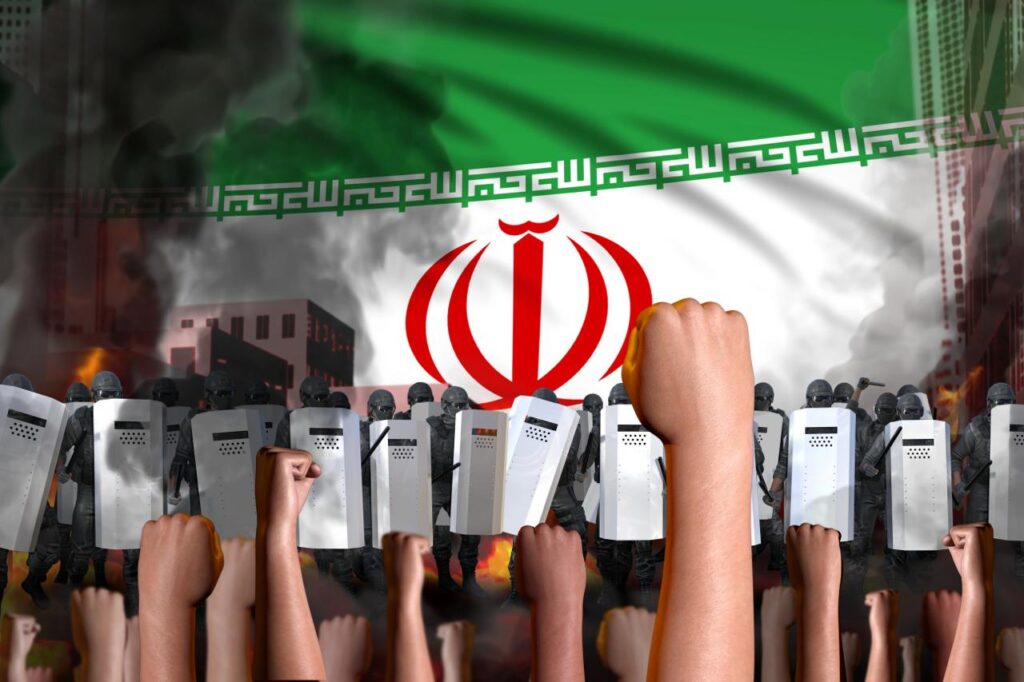
Iran Protests and Regional Stability: An Afghan Perspective

The protests that spread across Iran in late 2025 and early 2026 reflected more than short-term public discontent, instead exposing the cumulative effects of a prolonged socio-economic crisis. Persistently high inflation, declining real incomes, and falling living standards have placed sustained pressure on households and weakened the social contract between the state and society. Against this backdrop, the unrest increasingly acquired a foreign policy dimension. Strong statements from U.S. officials warning of consequences in response to Iran’s handling of the protests, combined with Tehran’s rejection of what it described as external interference, heightened the risk of the crisis becoming internationalized. Thus, the protests in Iran ceased to be an exclusively domestic issue and became a factor of regional instability. A key feature of the current situation is that the Iranian crisis is developing simultaneously on three fronts: socio-economic, where protests are fueled by deteriorating living conditions; political, linked to a crisis of confidence and governability; and geopolitical, where internal processes are used by external actors as a tool of pressure. Consequences for Afghanistan For Afghanistan, developments in Iran carry direct and practical significance. Since late 2024, Iran has become a source of large-scale returns of Afghan migrants, both voluntary and forced. By 2025, this process had become systematic, placing a heavy burden on Afghanistan’s western provinces, particularly Herat. In the event of prolonged instability and a deepening economic crisis in Iran, the likelihood of additional waves of migrant returns would increase. This would place further strain on Afghanistan’s labor market, healthcare system, social infrastructure, and already limited economic resources. In a fragile economy, the return of large numbers of migrants intensifies competition for jobs and raises the risk of local social tensions. The trade and logistics dimension is equally significant. Iran remains Afghanistan’s key economic partner and a vital transit corridor, including through the Islam Qala border crossing. Any deterioration in Iran’s socio-economic conditions has a direct impact on trade flows, supply chains, and broader regional economic stability. Significance for Central Asia The ongoing protest movements and the deterioration of the situation in Iran, driven by a systemic economic crisis and growing political and social discontent, could have a significant impact on political and economic dynamics, as well as security, across Central Asia. On the one hand, governments in the region are responding with cautious concern, mindful of the potential spillover effects of instability and rising internal discontent. A prolonged crisis in Iran increases the risks of migration pressure, border instability, and cross-border threats, all of which directly affect regional security. On the other hand, a further deterioration of Iran’s internal situation could disrupt trade, transit, and energy ties with Central Asia, weakening Tehran’s regional influence and reshaping the balance of power. Under such conditions, the role of other regional and external actors, including Russia, China, Turkey, and Western countries, is likely to grow as they gain opportunities to strengthen their positions in the region. As a result, the crisis in Iran is evolving beyond a domestic challenge and is...

Meat Becomes Increasingly Unaffordable in Turkmenistan Amid Soaring Prices

Meat is fast becoming a luxury item in Turkmenistan, as residents across the country report skyrocketing prices and declining quality. Even in Ashgabat, where incomes are generally higher, beef is no longer affordable for many households. Rising Prices, Declining Quality For years, the price of meat has served as a barometer of living standards in Turkmenistan. This year, costs have repeatedly hit new highs. Ahead of the Eid al-Adha holiday, prices in Ashgabat nearly doubled, with similar surges reported in the Balkan region. Today, even after the holiday period, beef prices in the capital remain elevated, reaching up to 175 manats ($9.2) per kilogram, with noticeable drops in quality. Consumers complain that even trusted vendors are selling overly fatty or tough cuts. At a late September session of the Halk Maslahaty, elder Yazmyrat Atamyradov proposed scrapping the annual increase in wages and pensions, prompting widespread public backlash. The move brought renewed attention to the cost of basic goods, including meat. Globally, Turkmenistan ranks 15th in per capita beef consumption and 4th for lamb. The Cost of Meat in Markets and Shops In spring, boneless beef was selling for 75-80 manats ($3.9-4.2) per kilogram. Now, such prices are a rarity, available only in a handful of shops in Ashgabat’s Gulistan (Russian Bazaar) and other select outlets, often with the condition of purchasing bones or offal as well. Current pricing is as follows: • 80-95 manats ($4.2-5): Occasionally available in supermarkets and hypermarkets, but often sells out quickly and varies in quality. • 100-110 manats ($5.3-5.8): Entry-level pricing for consistently decent meat at open markets. • 140-150 manats ($7.4-7.9): Common at popular vendors and “premium” stores. To address the situation, state-owned shops have expanded their offering of low-cost meat products. Shoppers can now buy frozen ground chicken for 25 manats ($1.3), beef bones for 26 manats ($1.4), and frozen beef briquettes for 38 manats ($2) per kilogram. However, buyers report that the briquettes contain very little meat and are sold in limited quantities per customer. Livestock Disease and Veterinary Shortcomings The price hikes coincide with reports of recurring disease outbreaks among livestock. In June, Chronicles of Turkmenistan reported suspected anthrax cases in the Akhal region, and in August, additional deaths were reported in Lebap. In September, Radio Azatlyk cited a new illness in Akhal causing skin inflammation and respiratory distress in cattle. Farmers have criticized the poor state of veterinary services, citing misdiagnoses and contradictory advice. Years of drought have weakened livestock's immune systems and reduced herd sizes. Meanwhile, hospitals in the capital have begun admitting patients with brucellosis, a bacterial infection transmitted from animals that can affect nearly every organ in the human body. While cooking destroys the pathogen, brucellosis can still be contracted during the handling or cutting of infected meat, especially under unsanitary conditions. Medical professionals warn that with lax veterinary oversight and poor quality control, the risk of infection remains high. Experts attribute the worsening situation to a mix of agricultural mismanagement, shrinking livestock numbers, and growing meat exports...

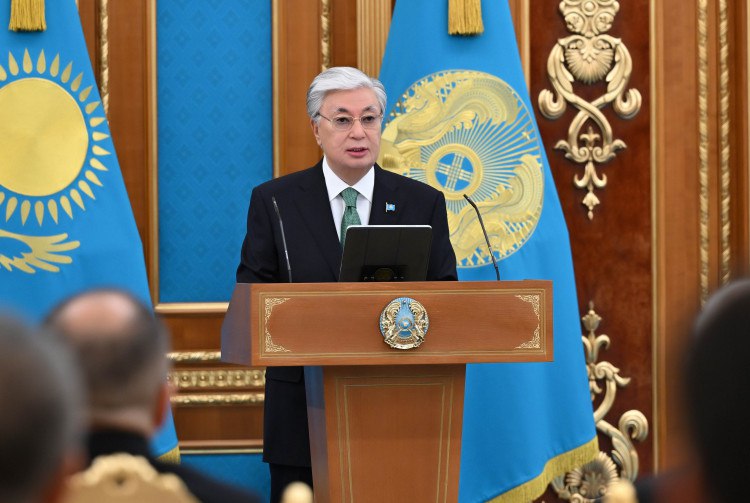
President Tokayev: Kazakhstan Prepared for Global Market Turbulence

Kazakh President Kassym-Jomart Tokayev has stated that Kazakhstan is prepared to confront the consequences of what he described as one of the most severe global economic crises in recent decades. Speaking at a meeting with the country’s scientific community, Tokayev emphasized that while the international environment is turbulent, there is no reason for panic, noting that Kazakhstan has prior experience in navigating such challenges. “Due to the onset of a ‘tariff war of all against all,’ we are witnessing the breakdown of production and trade chains, the collapse of markets, and heightened volatility in raw material prices. These developments will inevitably affect all nations, including Kazakhstan,” Tokayev warned. Despite these external shocks, he assured that the country will stay the course on its development agenda. All priority infrastructure projects, he confirmed, will continue to receive full financing and will be implemented as planned. In light of growing global uncertainty, Tokayev underlined the fierce competition for investment that lies ahead. “We need to be in very good shape. We must be ready for all scenarios. We must act pragmatically and confidently. Crises are beneficial in that they reveal the presence or absence of managerial talent and give rise to new opportunities,” the president stated. A day earlier, Tokayev had convened a meeting with key figures from the government’s economic and financial sectors to assess the situation following a steep decline in global prices for energy resources and essential commodities. As previously reported by The Times of Central Asia, Kazakhstan’s economy has recently received a temporary boost thanks to increased demand and rising prices for several key exports. This trend followed the U.S. suspension of additional tariffs on various countries, including Kazakhstan.
