• KGS/USD = 0.01144 0%
  • KZT/USD = 0.00208 0%
  • TJS/USD = 0.10465 -0.29%
  • UZS/USD = 0.00008 0%
  • TMT/USD = 0.28571 0%
  • KGS/USD = 0.01144 0%
  • KZT/USD = 0.00208 0%
  • TJS/USD = 0.10465 -0.29%
  • UZS/USD = 0.00008 0%
  • TMT/USD = 0.28571 0%
  • KGS/USD = 0.01144 0%
  • KZT/USD = 0.00208 0%
  • TJS/USD = 0.10465 -0.29%
  • UZS/USD = 0.00008 0%
  • TMT/USD = 0.28571 0%
  • KGS/USD = 0.01144 0%
  • KZT/USD = 0.00208 0%
  • TJS/USD = 0.10465 -0.29%
  • UZS/USD = 0.00008 0%
  • TMT/USD = 0.28571 0%
  • KGS/USD = 0.01144 0%
  • KZT/USD = 0.00208 0%
  • TJS/USD = 0.10465 -0.29%
  • UZS/USD = 0.00008 0%
  • TMT/USD = 0.28571 0%
  • KGS/USD = 0.01144 0%
  • KZT/USD = 0.00208 0%
  • TJS/USD = 0.10465 -0.29%
  • UZS/USD = 0.00008 0%
  • TMT/USD = 0.28571 0%
  • KGS/USD = 0.01144 0%
  • KZT/USD = 0.00208 0%
  • TJS/USD = 0.10465 -0.29%
  • UZS/USD = 0.00008 0%
  • TMT/USD = 0.28571 0%
  • KGS/USD = 0.01144 0%
  • KZT/USD = 0.00208 0%
  • TJS/USD = 0.10465 -0.29%
  • UZS/USD = 0.00008 0%
  • TMT/USD = 0.28571 0%

Viewing results 1 - 6 of 10

Prices in Turkmenistan Rise Sharply Due to the Situation in the Middle East

Military activity in neighboring Iran has begun to directly affect Turkmenistan’s economy. Disruptions to supplies from a key trading partner have triggered a sharp increase in prices for food, household chemicals, building materials, and cigarettes. According to retailers, this may only be the beginning as existing stocks are running low and prices continue to climb. Despite having domestic production, Turkmenistan remains heavily dependent on imports from Iran, particularly for food products, household chemicals, and construction materials. The conflict in Iran has disrupted established logistics routes, causing prices for several categories of goods to rise significantly across Turkmenistan. Vegetables and citrus fruits have seen some of the steepest increases. Prices for potatoes and cucumbers have risen by three to three-and-a-half times, while citrus fruits have become about 50% more expensive. Cigarette prices have already increased by roughly 40%, and traders warn that further rises are likely. At the end of February, a kilogram of potatoes imported from Iran cost between $1.45 and $1.74 in Ashgabat. The price has now risen to $4.93 per kilogram. A similar trend has been observed for cucumbers, whose price increased from $2.32 to $4.93 per kilogram. Citrus fruits have become even more expensive. Oranges have risen in price from $2.61 to $5.22 per kilogram, while mandarins have increased from $3.48 to $6.38. Residents of Turkmenistan are also facing higher prices for household chemicals. Although the increase has not yet been as dramatic, retailers say the upward trend is clear. Tobacco products have also risen significantly in price, with cigarettes increasing by an average of about 35%. The construction sector has also been affected. Prices for cement, wood, metal, and other building materials have increased by around 40%. These increases are linked to disruptions in established supply routes. Some construction materials were previously imported from the United Arab Emirates via Iran. Businesses are now being forced to search for alternative logistics routes, including through Georgia and Azerbaijan, which significantly increases transportation costs. On March 4, customs regulation issues were discussed at a meeting of Turkmenistan’s Security Council. However, according to a report by the state news agency TDH, the head of the State Customs Service, Maksat Khudaygulyev, did not address the current supply disruptions. His remarks focused on the planned development of the agency. Price increases linked to events in Iran are not new for Turkmenistan. A similar situation was observed in the summer during the 12-day war. Supply problems also emerged in the fall of 2024, when Iran temporarily closed its border. During that period, vegetable oil prices increased significantly and shortages were reported.

Kyrgyzstan Increases Excise Taxes on Alcohol and Sweetened Beverages

The Kyrgyz Cabinet of Ministers has approved a rise in excise tax rates on alcoholic beverages and sugar-containing drinks, including children's juices, as part of a broader phased tax reform strategy According to the State Tax Service (STS), the adjustments are part of a long-term initiative that will continue incrementally through the end of the decade. The excise tax on vodka and spirits has increased from approximately $1.8 to $2.2 per liter, with an additional annual increase of about $0.2 expected in the coming years. Rates for other alcoholic beverages have also been revised: Wine: increased by approximately $0.05 per liter (now around $0.2) Cognac: increased by about $0.4 per liter (now about $1.6) Beer: increased by roughly $0.03 per liter (now approximately $0.2) The tax agency highlighted that the changes are being implemented gradually to mitigate potential inflationary effects on retail prices. Officials stated that the reform has a social dimension, aiming to curb consumption of products deemed harmful to public health. In the first 11 months of last year, Kyrgyzstan collected approximately $228.5 million in excise tax revenues. Of that total, around $55 million came from domestically produced goods, including $38.8 million from alcohol sales. New Tax Introduced on Sugar-Containing Beverages The reform also introduces an excise tax on sugar-containing beverages for the first time, including products previously classified as baby food. Previously, such items were exempt, leading to regulatory loopholes. The STS explained that some manufacturers registered sweetened beverages as baby food to avoid excise duties, creating unfair competition in the market. To close this gap, all sugar-containing beverages, including children’s juices, will now be taxed at a minimum rate of about $0.03 per liter. Given the typically small packaging sizes, authorities estimate the retail price increase per unit will be modest, approximately $0.01. The reform reflects a growing regional trend of leveraging fiscal policy to discourage unhealthy consumption habits while generating revenue for public spending.

Meat Becomes Increasingly Unaffordable in Turkmenistan Amid Soaring Prices

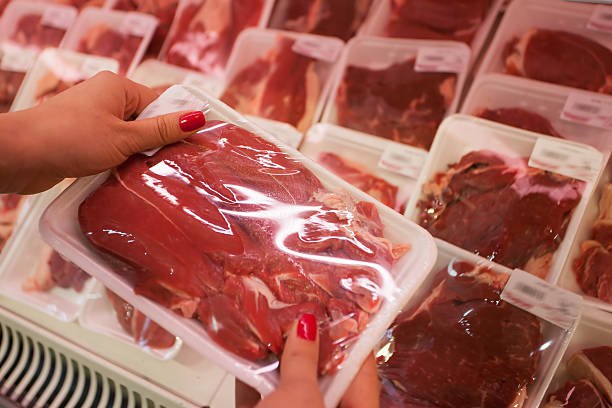
Meat is fast becoming a luxury item in Turkmenistan, as residents across the country report skyrocketing prices and declining quality. Even in Ashgabat, where incomes are generally higher, beef is no longer affordable for many households. Rising Prices, Declining Quality For years, the price of meat has served as a barometer of living standards in Turkmenistan. This year, costs have repeatedly hit new highs. Ahead of the Eid al-Adha holiday, prices in Ashgabat nearly doubled, with similar surges reported in the Balkan region. Today, even after the holiday period, beef prices in the capital remain elevated, reaching up to 175 manats ($9.2) per kilogram, with noticeable drops in quality. Consumers complain that even trusted vendors are selling overly fatty or tough cuts. At a late September session of the Halk Maslahaty, elder Yazmyrat Atamyradov proposed scrapping the annual increase in wages and pensions, prompting widespread public backlash. The move brought renewed attention to the cost of basic goods, including meat. Globally, Turkmenistan ranks 15th in per capita beef consumption and 4th for lamb. The Cost of Meat in Markets and Shops In spring, boneless beef was selling for 75-80 manats ($3.9-4.2) per kilogram. Now, such prices are a rarity, available only in a handful of shops in Ashgabat’s Gulistan (Russian Bazaar) and other select outlets, often with the condition of purchasing bones or offal as well. Current pricing is as follows: • 80-95 manats ($4.2-5): Occasionally available in supermarkets and hypermarkets, but often sells out quickly and varies in quality. • 100-110 manats ($5.3-5.8): Entry-level pricing for consistently decent meat at open markets. • 140-150 manats ($7.4-7.9): Common at popular vendors and “premium” stores. To address the situation, state-owned shops have expanded their offering of low-cost meat products. Shoppers can now buy frozen ground chicken for 25 manats ($1.3), beef bones for 26 manats ($1.4), and frozen beef briquettes for 38 manats ($2) per kilogram. However, buyers report that the briquettes contain very little meat and are sold in limited quantities per customer. Livestock Disease and Veterinary Shortcomings The price hikes coincide with reports of recurring disease outbreaks among livestock. In June, Chronicles of Turkmenistan reported suspected anthrax cases in the Akhal region, and in August, additional deaths were reported in Lebap. In September, Radio Azatlyk cited a new illness in Akhal causing skin inflammation and respiratory distress in cattle. Farmers have criticized the poor state of veterinary services, citing misdiagnoses and contradictory advice. Years of drought have weakened livestock's immune systems and reduced herd sizes. Meanwhile, hospitals in the capital have begun admitting patients with brucellosis, a bacterial infection transmitted from animals that can affect nearly every organ in the human body. While cooking destroys the pathogen, brucellosis can still be contracted during the handling or cutting of infected meat, especially under unsanitary conditions. Medical professionals warn that with lax veterinary oversight and poor quality control, the risk of infection remains high. Experts attribute the worsening situation to a mix of agricultural mismanagement, shrinking livestock numbers, and growing meat exports...

Kyrgyzstan Restricts Livestock Exports to Stabilize Meat Prices

In early 2025, Kyrgyzstan temporarily suspended livestock exports in a bid to curb rising meat prices on the domestic market. The measure has resulted in a significant reduction in export volumes. According to the Ministry of Water Resources, Agriculture and Processing Industry, between January and mid-August 2025, Kyrgyzstan exported 30,493 cattle, 31,781 sheep and goats, and 1,636 horses. This marks a sharp decline compared to the same period in 2024, when the country exported 77,907 cattle, 70,392 sheep and goats, and 5,113 horses. Kyrgyz livestock is primarily exported to neighboring Central Asian countries. Officials say the suspension has helped prevent meat shortages and price surges domestically. To further bolster local meat production and supply, the ministry has proposed extending the export ban for an additional six months. In the first half of 2025, Kyrgyzstan produced 115,400 tons of meat, an increase of 3,900 tons compared to the same period in 2024. However, demand continues to outpace supply. National meat consumption stood at 309,400 tons in 2024 and reached 157,300 tons in the first half of 2025. In 2024, Kyrgyzstan met 86.2% of domestic meat demand through local production. That figure dropped to 79.7% in the first half of 2025, underscoring the country’s ongoing reliance on imports to bridge the supply gap. To contain prices, the government implemented temporary state control over retail meat prices beginning August 11. For a 90-day period, the price of beef and mutton has been capped at 700 Kyrgyz soms ($8) per kilogram.