
• KGS/USD = 0.01144 0%
  • KZT/USD = 0.00202 0%
  • TJS/USD = 0.10448 -0.19%
  • UZS/USD = 0.00008 0%
  • TMT/USD = 0.28490 0%
  • KGS/USD = 0.01144 0%
  • KZT/USD = 0.00202 0%
  • TJS/USD = 0.10448 -0.19%
  • UZS/USD = 0.00008 0%
  • TMT/USD = 0.28490 0%
  • KGS/USD = 0.01144 0%
  • KZT/USD = 0.00202 0%
  • TJS/USD = 0.10448 -0.19%
  • UZS/USD = 0.00008 0%
  • TMT/USD = 0.28490 0%
  • KGS/USD = 0.01144 0%
  • KZT/USD = 0.00202 0%
  • TJS/USD = 0.10448 -0.19%
  • UZS/USD = 0.00008 0%
  • TMT/USD = 0.28490 0%
  • KGS/USD = 0.01144 0%
  • KZT/USD = 0.00202 0%
  • TJS/USD = 0.10448 -0.19%
  • UZS/USD = 0.00008 0%
  • TMT/USD = 0.28490 0%
  • KGS/USD = 0.01144 0%
  • KZT/USD = 0.00202 0%
  • TJS/USD = 0.10448 -0.19%
  • UZS/USD = 0.00008 0%
  • TMT/USD = 0.28490 0%
  • KGS/USD = 0.01144 0%
  • KZT/USD = 0.00202 0%
  • TJS/USD = 0.10448 -0.19%
  • UZS/USD = 0.00008 0%
  • TMT/USD = 0.28490 0%
  • KGS/USD = 0.01144 0%
  • KZT/USD = 0.00202 0%
  • TJS/USD = 0.10448 -0.19%
  • UZS/USD = 0.00008 0%
  • TMT/USD = 0.28490 0%

Viewing results 1 - 6 of 9

Electricity Generation in Kyrgyzstan Stagnates as Demand Surges

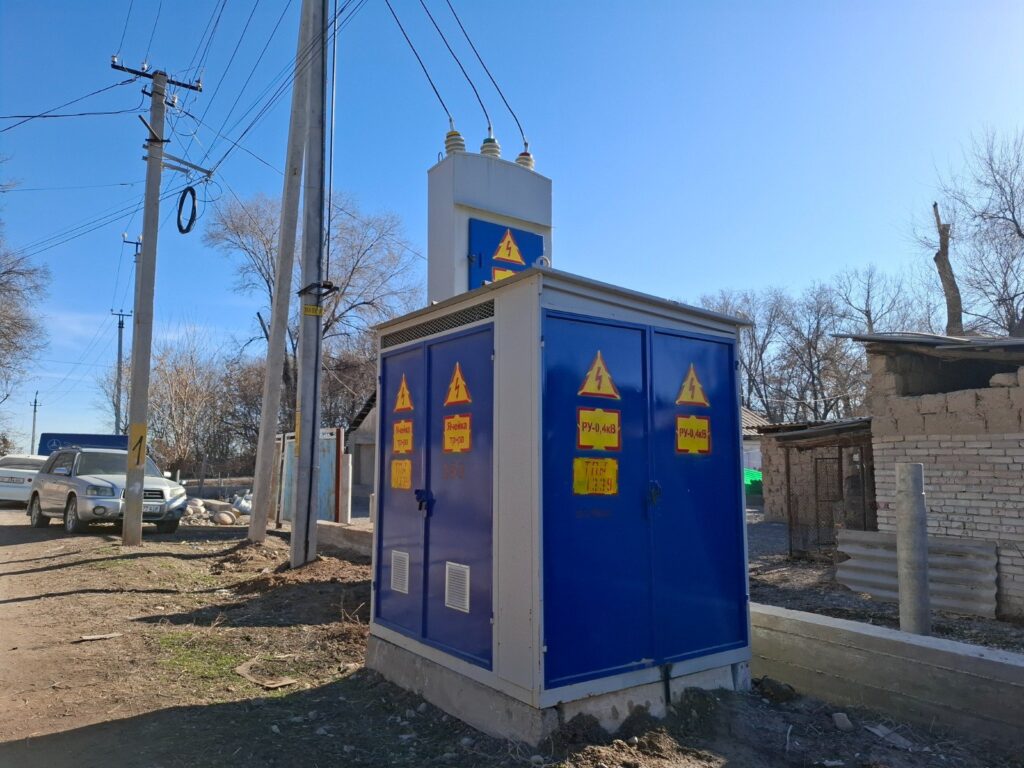
Electricity consumption in Kyrgyzstan has surged by nearly 25% over the past five years, rising from 15.4 billion kWh in 2020 to 19.3 billion kWh in 2025. However, electricity generation has remained virtually flat, increasing by just 0.1 billion kWh during the same period, according to data presented at the Ministry of Energy’s board meeting on January 23. The widening gap between supply and demand is attributed to sustained economic growth, the launch of new industrial facilities, and delays in commissioning new power infrastructure. Compounding the issue, hydropower output, the backbone of Kyrgyzstan’s energy mix, is increasingly constrained by declining water levels linked to climate change. In 2025, Kyrgyzstan's electricity generation structure was as follows: 12.9 billion kWh - large hydropower plants 0.223 billion kWh - small hydropower plants 0.234 billion kWh - mini-hydro, solar, and wind power plants 2.01 billion kWh - thermal power plants To meet domestic demand, the country imported 3.8 billion kWh of electricity from neighboring states. A key long-term solution lies in the construction of the Kambarata-1 hydropower plant, a strategic regional project being developed in cooperation with Kazakhstan and Uzbekistan. Once completed, the plant is expected to have a capacity of 1,860 MW and generate 5.6 billion kWh annually. In 2025, Kyrgyzstan updated the project’s feasibility study, originally prepared in 2014, finalized the dam type, and signed a contract with the tender winner. The World Bank is considering up to $1.5 billion in financing, while nine international donors have expressed interest in contributing an additional $2.5 billion. In parallel, the country is expanding its renewable energy portfolio. Eight small hydropower plants with a combined capacity of 44.6 MW and solar plants totaling 102 MW were commissioned in 2025. Investment agreements have also been signed for the construction of five solar plants and one wind farm with a total capacity of 3,150 MW. These projects represent a planned investment of approximately $4.2 billion. Additionally, on January 23, the Cabinet of Ministers signed a memorandum of understanding with China’s Kyrgyzstan Reclaim Co. Ltd. to build a 200 MW cascade of small hydropower plants on the Tar River in the Osh region. The investment is projected at around $300 million. Officials say these projects are aimed at boosting generation capacity and enhancing Kyrgyzstan’s long-term energy resilience amid growing domestic consumption.
Kyrgyzstan Turns to Coal Power Amid Electricity Shortages

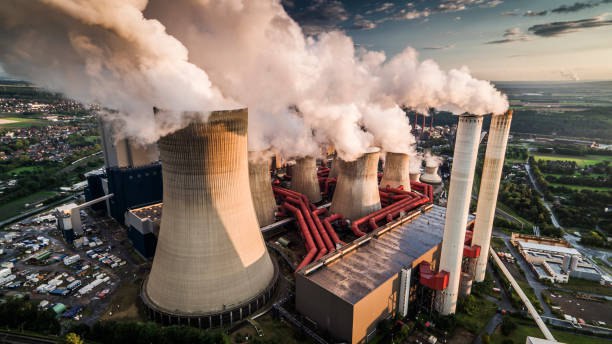
Kyrgyzstan is turning to coal-fired electricity generation as a key strategy to address its chronic energy deficits, particularly acute during winter, when heating demand spikes and reliance on costly imports increases. While the country continues to expand hydropower capacity, the government is emphasizing the role of thermal power as a stable, year-round energy source. Unlike hydropower, which is vulnerable to fluctuating river flows worsened by climate change, coal-fired generation offers a more consistent electricity supply. On January 22, Energy Minister Taalaibek Ibrayev met with representatives of an international consortium that includes the German consulting group GPRC, along with NRP and KCG. The minister proposed the construction of thermal power plants at domestic coal sites. According to the Ministry of Energy, the consortium has expressed its intention to design, finance, and build three coal-fired power plants, each with a capacity of 350 MW for a total of 1,050 MW. The proposed facilities would utilize clean coal technologies aligned with international environmental standards. Before construction begins, specialists will assess coal quality and geological conditions at the proposed sites. Kyrgyzstan’s coal reserves are estimated at around 2 billion tons. In 2024, the country produced 4.396 million tons of coal, with nearly half mined in the Naryn region and the rest in Batken, Osh, and Jalal-Abad. The country’s largest coal deposit is Kara-Keche, a lignite mine in Naryn operated by the state-owned Kyrgyzkomur. In June 2025, Electric Stations OJSC, which generates about 86% of Kyrgyzstan’s electricity, announced a tender to build a 1,200 MW coal-fired power plant near Kara-Keche. The project was structured in two phases: the first involving two 300 MW units at a cost of $934.38 million, and the second, a 600 MW unit valued at $370.6 million. The proposed plant was expected to generate 7.8 billion kWh annually. However, the tender was declared invalid in September 2025 due to incomplete documentation from bidders. Despite the setback, the Ministry of Energy remains committed to attracting international investors, viewing coal-fired power as a transitional solution until long-term hydropower projects are fully operational. Kyrgyzstan exported 1.1 million tons of coal in 2024, valued at $52.7 million. Uzbekistan was the largest buyer, while exports to China surged to 118,200 tons, up from just 13,000 tons in 2023. As electricity demand rises and hydropower faces increasing climate-related constraints, officials see coal-based generation as a pragmatic measure to stabilize the national grid and bolster energy security during a critical transition period.

Tokayev Calls Nuclear Power a Correction of Kazakhstan’s “Historical Absurdity”

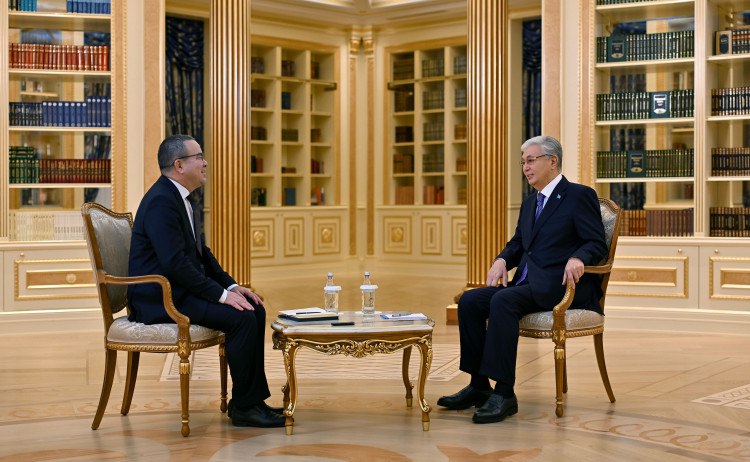
President Kassym-Jomart Tokayev has described Kazakhstan’s push to build nuclear power plants as a correction of a “historical absurdity”, namely, that a nation which ranks among the world’s top producers and exporters of uranium has yet to harness this resource for domestic electricity generation. In October 2024, a nationwide referendum showed broad public support for the development of nuclear energy. Following the vote, Tokayev announced plans to construct at least two nuclear power plants, with a third to follow. In June 2025, Russian state corporation Rosatom was selected to build the country’s first nuclear power plant near the village of Ulken, on the western shore of Lake Balkhash, about 400 kilometers northwest of Almaty. Contracts for the second and third plants were later signed with the China National Nuclear Corporation (CNNC). “The construction of several nuclear power plants is, on the one hand, a correction of the historical absurdity – to be a world leader in the production of uranium and not to build any nuclear power plants, on the other, it is the prestige of Kazakhstan,” Tokayev said in an interview with Turkistan newspaper, published on the official Akorda website. According to Tokayev, reliable electricity generation is essential for Kazakhstan’s transition to a new technological model of the economy. He emphasized that the development of supercomputers, data centers, and automated industrial systems requires substantial energy resources. “This is the reality of the new global technological order,” he stated. Tokayev has consistently argued that Kazakhstan must become a digital power, framing digitalization as a matter of national survival. He believes society is mentally prepared for innovation, citing the success of fintech companies and the expansion of digital government services. “We have good starting conditions and have made progress in the digitalization of public services, fintech, and several sectors of the economy. The ecosystem supporting IT startups is functioning effectively,” the president noted. He added that for continued progress, Kazakhstan requires stable, environmentally friendly, and high-capacity energy sources, needs best met by nuclear power. Tokayev also highlighted the importance of personnel in building a nuclear energy sector. He said the development of nuclear power will contribute to the emergence of a new class of technical intelligentsia, which could ultimately influence state policy. “Qualified specialists are needed to create modern energy sources. The head of NVIDIA, the world's largest company by market capitalization, predicts that in the near future, multimillionaires will include representatives of technical professions, the so-called ‘blue-collar workers’,” Tokayev said. As previously reported by The Times of Central Asia, Kazakhstan plans to train nuclear energy specialists abroad through the Bolashak state program.
