
• KGS/USD = 0.01144 0%
  • KZT/USD = 0.00205 0%
  • TJS/USD = 0.10771 0%
  • UZS/USD = 0.00009 0%
  • TMT/USD = 0.28571 0.28%
  • KGS/USD = 0.01144 0%
  • KZT/USD = 0.00205 0%
  • TJS/USD = 0.10771 0%
  • UZS/USD = 0.00009 0%
  • TMT/USD = 0.28571 0.28%
  • KGS/USD = 0.01144 0%
  • KZT/USD = 0.00205 0%
  • TJS/USD = 0.10771 0%
  • UZS/USD = 0.00009 0%
  • TMT/USD = 0.28571 0.28%
  • KGS/USD = 0.01144 0%
  • KZT/USD = 0.00205 0%
  • TJS/USD = 0.10771 0%
  • UZS/USD = 0.00009 0%
  • TMT/USD = 0.28571 0.28%
  • KGS/USD = 0.01144 0%
  • KZT/USD = 0.00205 0%
  • TJS/USD = 0.10771 0%
  • UZS/USD = 0.00009 0%
  • TMT/USD = 0.28571 0.28%
  • KGS/USD = 0.01144 0%
  • KZT/USD = 0.00205 0%
  • TJS/USD = 0.10771 0%
  • UZS/USD = 0.00009 0%
  • TMT/USD = 0.28571 0.28%
  • KGS/USD = 0.01144 0%
  • KZT/USD = 0.00205 0%
  • TJS/USD = 0.10771 0%
  • UZS/USD = 0.00009 0%
  • TMT/USD = 0.28571 0.28%
  • KGS/USD = 0.01144 0%
  • KZT/USD = 0.00205 0%
  • TJS/USD = 0.10771 0%
  • UZS/USD = 0.00009 0%
  • TMT/USD = 0.28571 0.28%

Viewing results 1 - 6 of 66

Kyrgyzstan and Tajikistan Move Closer to Electricity Exports to South Asia

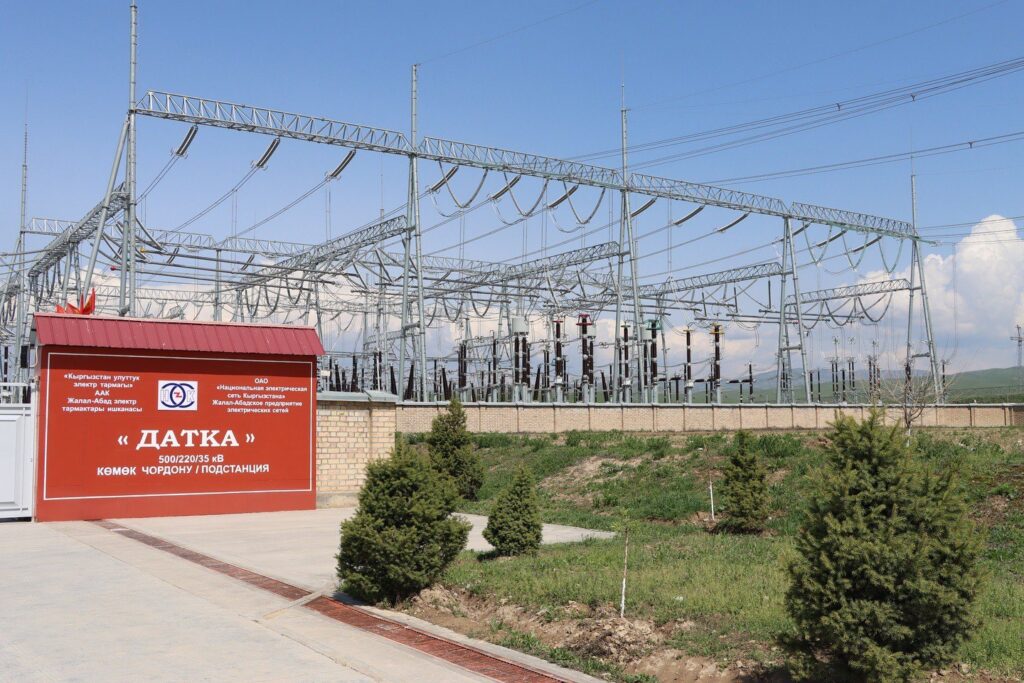
Kyrgyzstan and Tajikistan have officially launched the 500 kV Datka-Sughd overhead power transmission line, a key component of the CASA-1000 (Central Asia-South Asia) electricity transmission project. The initiative is designed to export surplus summer electricity from the two Central Asian countries to Afghanistan and Pakistan. The 485-kilometer line, which connects the Datka substation in Kyrgyzstan with the Sughd substation in Tajikistan, was inaugurated on March 31 during Kyrgyz President Sadyr Japarov’s visit to the Tajik city of Khujand. Tajik President Emomali Rahmon also attended the ceremony. The new line enables bidirectional power flows, significantly enhancing the resilience and stability of Central Asia’s power grid. According to Kyrgyzstan’s Ministry of Energy, both Kyrgyzstan and Tajikistan have completed their respective infrastructure components of the CASA-1000 project. Project Progress and Timeline In Pakistan, construction is expected to be completed by August 2025. In Afghanistan, where work had stalled, construction has now resumed. Over 95% of the necessary materials have already been delivered to the country. Full completion of the Afghan section and the start of commercial operations are expected in 2027. The CASA-1000 project, with a total cost exceeding $1.2 billion, is financed by the World Bank, the European Investment Bank, the European Bank for Reconstruction and Development, the Islamic Development Bank, and other international partners. The Kyrgyz and Tajik sections alone accounted for approximately $544 million, or 45.3% of the total project budget. Once fully operational, CASA-1000 will have the capacity to transmit up to 11 billion kilowatt-hours of electricity per year. Economic and Regional Impact Tajikistan and Kyrgyzstan are expected to jointly export up to 5 billion kilowatt-hours of green electricity annually to Pakistan, roughly 5% of Pakistan’s total electricity consumption. The projected revenue from these exports is over $250 million per year for the two countries. The successful implementation of CASA-1000 not only promises economic benefits for Central Asia but also marks a significant step in regional energy cooperation, renewable energy deployment, and cross-border infrastructure integration.

Uzbekistan to Generate Electricity from Household Waste

Uzbekistan is advancing plans to build waste-to-energy (WTE) plants across several regions as part of a broader strategy to improve waste management and generate electricity. Presidential decrees have approved investment projects in Tashkent and the regions of Andijan, Namangan, Ferghana, Tashkent, Kashkadarya, and Samarkand. These projects aim to modernize the country’s waste processing infrastructure while enhancing environmental sustainability and attracting direct investment into the energy and utilities sectors. Under the agreements, project companies will supply the electricity generated from waste to “Uzenergosotish” JSC through 30-year guaranteed purchase contracts. Equipment launches are scheduled between 2025 and 2027, with the following projected processing capacities: Tashkent Region: 2,500 tons of waste processed daily, generating 390 million kWh annually Andijan Region: 1,500 tons for 240 million kWh Kashkadarya Region: 1,500 tons for 240 million kWh Samarkand Region: 1,500 tons for 240 million kWh Namangan Region: 1,500 tons for 227.5 million kWh Ferghana Region: 1,500 tons for 227.5 million kWh Global Models for Waste-to-Energy The concept of converting household waste into energy is widely used in countries with advanced waste management systems. Sweden, for instance, has developed a highly efficient WTE infrastructure that provides heating to over 1 million households and electricity to approximately 680,000 homes. As of 2013, the country was importing roughly 800,000 tons of waste annually from neighboring states to meet the fuel demands of its power plants. Japan has also embraced WTE technology, largely due to its limited landfill capacity. By 2020, Japanese incineration plants had a combined power generation capacity of approximately 2,200 megawatts, contributing significantly to the national grid. Challenges and Considerations Despite its promise, WTE technology is not without challenges. If not properly managed, waste incineration can result in harmful emissions and air pollution. Ensuring that Uzbekistan’s facilities meet modern environmental standards will be critical to the success and sustainability of the initiative. The government’s move reflects a growing recognition of the need for cleaner, more sustainable energy sources while addressing the persistent issue of urban waste. If implemented effectively, these projects could mark a significant step toward Uzbekistan's green energy transition.