• KGS/USD = 0.01144 0%
  • KZT/USD = 0.00191 -0%
  • TJS/USD = 0.10838 0.37%
  • UZS/USD = 0.00008 0%
  • TMT/USD = 0.28571 0.28%
  • KGS/USD = 0.01144 0%
  • KZT/USD = 0.00191 -0%
  • TJS/USD = 0.10838 0.37%
  • UZS/USD = 0.00008 0%
  • TMT/USD = 0.28571 0.28%
  • KGS/USD = 0.01144 0%
  • KZT/USD = 0.00191 -0%
  • TJS/USD = 0.10838 0.37%
  • UZS/USD = 0.00008 0%
  • TMT/USD = 0.28571 0.28%
  • KGS/USD = 0.01144 0%
  • KZT/USD = 0.00191 -0%
  • TJS/USD = 0.10838 0.37%
  • UZS/USD = 0.00008 0%
  • TMT/USD = 0.28571 0.28%
  • KGS/USD = 0.01144 0%
  • KZT/USD = 0.00191 -0%
  • TJS/USD = 0.10838 0.37%
  • UZS/USD = 0.00008 0%
  • TMT/USD = 0.28571 0.28%
  • KGS/USD = 0.01144 0%
  • KZT/USD = 0.00191 -0%
  • TJS/USD = 0.10838 0.37%
  • UZS/USD = 0.00008 0%
  • TMT/USD = 0.28571 0.28%
  • KGS/USD = 0.01144 0%
  • KZT/USD = 0.00191 -0%
  • TJS/USD = 0.10838 0.37%
  • UZS/USD = 0.00008 0%
  • TMT/USD = 0.28571 0.28%
  • KGS/USD = 0.01144 0%
  • KZT/USD = 0.00191 -0%
  • TJS/USD = 0.10838 0.37%
  • UZS/USD = 0.00008 0%
  • TMT/USD = 0.28571 0.28%
11 November 2025

Viewing results 1 - 6 of 5

Chinese Firms to Build Waste-to-Energy Plants in Astana and Shymkent

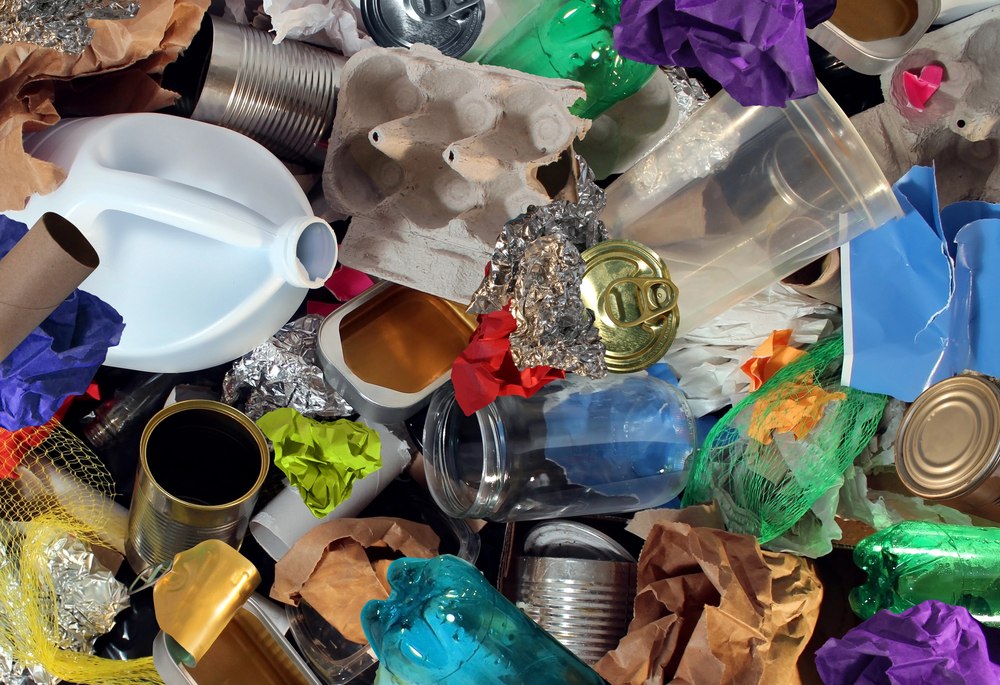
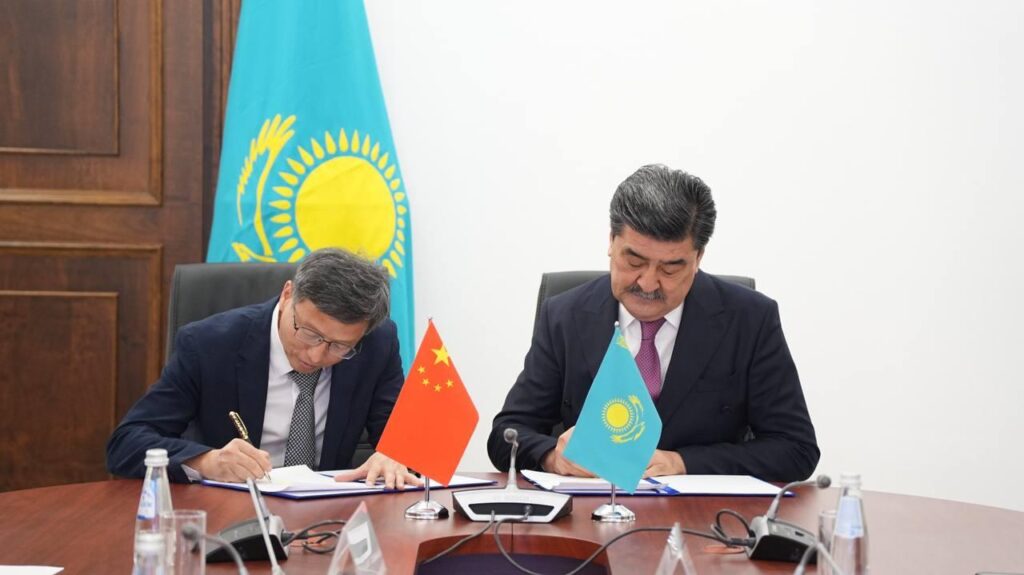
Kazakhstan is advancing the modernization of its waste management system with the launch of new waste-to-energy projects in Astana and Shymkent, its second- and third-largest cities. On October 31, the Ministry of Ecology and Natural Resources announced the signing of investment agreements with China’s Shaanxi Construction Engineering Kazakhstan Co., Ltd. and East Hope LLP to construct the new facilities. In Astana, East Hope LLP will invest approximately $180 million to build a plant with a daily processing capacity of 1,500 tons of municipal solid waste, equating to around 550,000 tons per year. In Shymkent, Shaanxi Construction Engineering Kazakhstan Co., Ltd. will invest $100 million in a plant capable of processing 1,000 tons of waste daily, around 360,000 tons annually. Together, the two projects are expected to create more than 550 jobs during the construction phase and approximately 200 permanent positions once operational. The plants aim to significantly reduce the volume of waste sent to landfills while generating clean electricity, contributing to Kazakhstan’s broader environmental and energy goals. In August, the Ministry signed a separate agreement with China’s Hunan Junxin Environmental Protection Co. Ltd. to construct Kazakhstan’s first waste-to-energy facility in Almaty. That plant will process at least 1,600 tons of solid waste daily and generate up to 60 megawatts of electricity. The total investment in the Almaty project is estimated at $269 million.

Chinese Firm to Invest $600 Million in Waste-to-Energy Plants in Kazakhstan

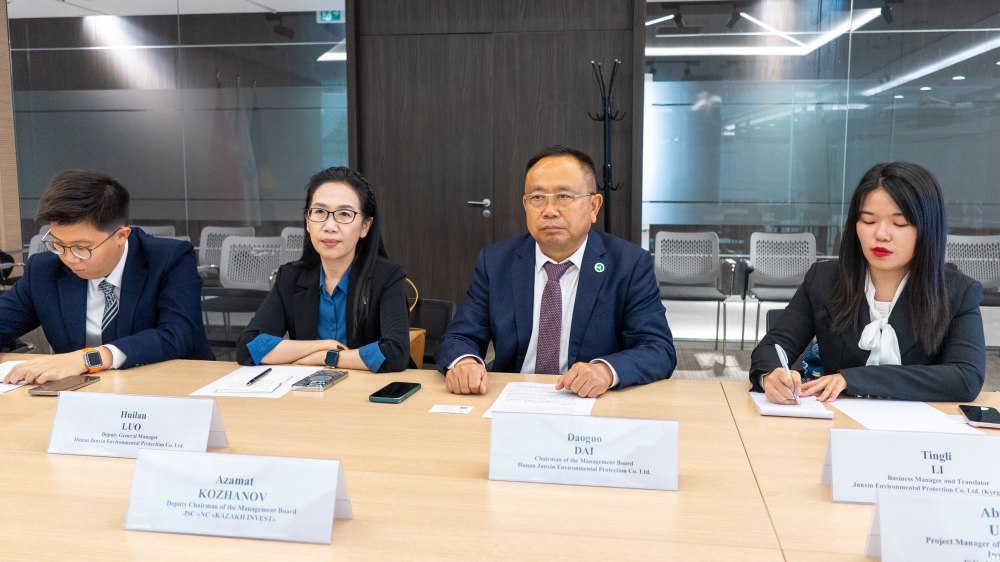
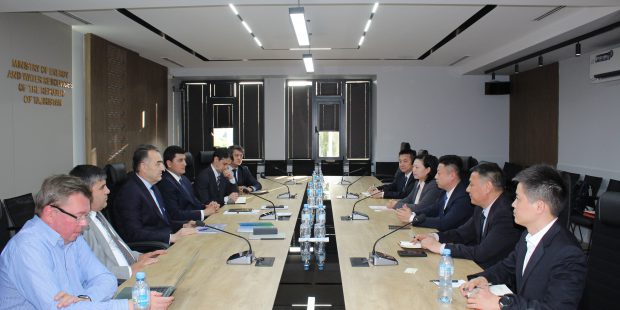
China’s Hunan Junxin Environmental Protection Co. Ltd. plans to invest $600 million in constructing three waste-to-energy plants in Kazakhstan. The project was the focus of a meeting on July 3 between Azamat Kozhanov, Deputy Chairman of the Board at Kazakh Invest, and Dai Daoguo, Chairman of Hunan Junxin’s Board of Directors. According to Dai, the initiative will go beyond waste incineration to establish an integrated technological ecosystem. Plans include green data centers powered by the energy produced, training facilities, and smart waste management systems. “Our goal is not just to build plants, but to implement an innovative approach to waste handling,” Dai said. “We aim to bring technologies to Kazakhstan that integrate recycling, energy generation, and digitalization. I’m confident this will be a major contribution to the region’s sustainable development and environmental safety.” Kozhanov highlighted the importance of large-scale, environmentally focused projects that promote technology localization and sustainable energy. “We see strong potential for joint implementation of green projects that meet international standards. Junxin’s experience, including successful initiatives in China and Kyrgyzstan, can contribute significantly to the development of green infrastructure in our cities,” he said. Hunan Junxin is already active in Kyrgyzstan, where it is implementing similar projects in Bishkek and Osh. As previously reported by The Times of Central Asia, on June 10, the company began construction of a $95 million solid waste incineration facility in Osh, Kyrgyzstan’s second-largest city. The plant will convert municipal waste into electricity and heat. In Bishkek, the company is building a solid waste recycling facility at the city’s sanitary landfill. Initially, the facility will process 1,000 tons of waste per day, with plans to expand capacity to 3,000 tons. Completion is scheduled for December 2025.

Uzbekistan to Generate Electricity from Household Waste

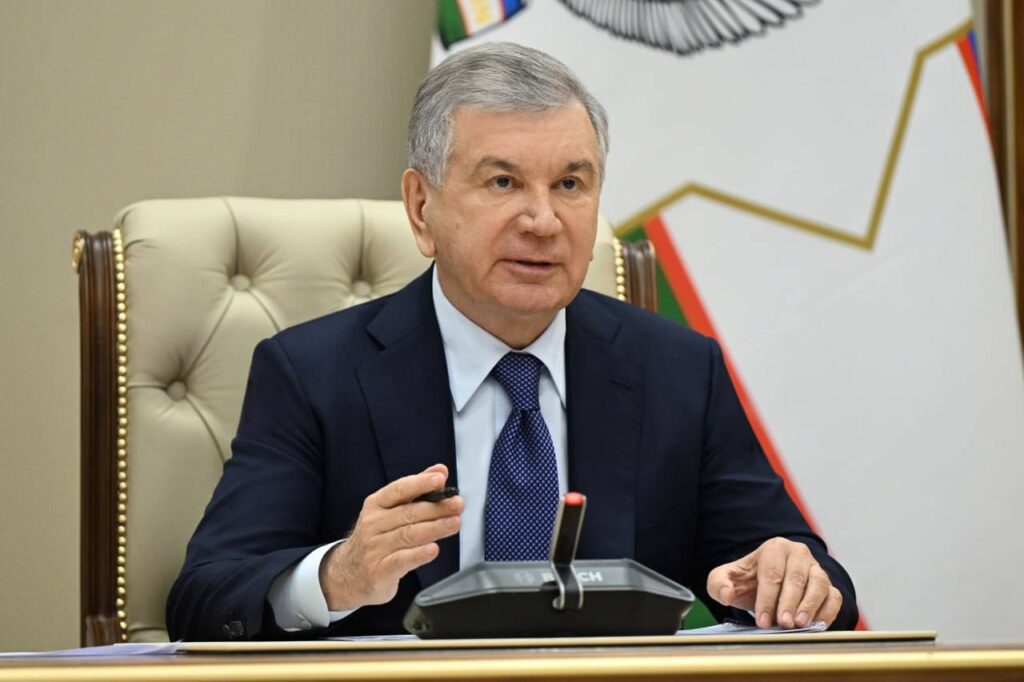
Uzbekistan is advancing plans to build waste-to-energy (WTE) plants across several regions as part of a broader strategy to improve waste management and generate electricity. Presidential decrees have approved investment projects in Tashkent and the regions of Andijan, Namangan, Ferghana, Tashkent, Kashkadarya, and Samarkand. These projects aim to modernize the country’s waste processing infrastructure while enhancing environmental sustainability and attracting direct investment into the energy and utilities sectors. Under the agreements, project companies will supply the electricity generated from waste to “Uzenergosotish” JSC through 30-year guaranteed purchase contracts. Equipment launches are scheduled between 2025 and 2027, with the following projected processing capacities: Tashkent Region: 2,500 tons of waste processed daily, generating 390 million kWh annually Andijan Region: 1,500 tons for 240 million kWh Kashkadarya Region: 1,500 tons for 240 million kWh Samarkand Region: 1,500 tons for 240 million kWh Namangan Region: 1,500 tons for 227.5 million kWh Ferghana Region: 1,500 tons for 227.5 million kWh Global Models for Waste-to-Energy The concept of converting household waste into energy is widely used in countries with advanced waste management systems. Sweden, for instance, has developed a highly efficient WTE infrastructure that provides heating to over 1 million households and electricity to approximately 680,000 homes. As of 2013, the country was importing roughly 800,000 tons of waste annually from neighboring states to meet the fuel demands of its power plants. Japan has also embraced WTE technology, largely due to its limited landfill capacity. By 2020, Japanese incineration plants had a combined power generation capacity of approximately 2,200 megawatts, contributing significantly to the national grid. Challenges and Considerations Despite its promise, WTE technology is not without challenges. If not properly managed, waste incineration can result in harmful emissions and air pollution. Ensuring that Uzbekistan’s facilities meet modern environmental standards will be critical to the success and sustainability of the initiative. The government’s move reflects a growing recognition of the need for cleaner, more sustainable energy sources while addressing the persistent issue of urban waste. If implemented effectively, these projects could mark a significant step toward Uzbekistan's green energy transition.