• KGS/USD = 0.01144 0%
  • KZT/USD = 0.00214 0%
  • TJS/USD = 0.10792 -0.28%
  • UZS/USD = 0.00008 0%
  • TMT/USD = 0.28490 0%
  • KGS/USD = 0.01144 0%
  • KZT/USD = 0.00214 0%
  • TJS/USD = 0.10792 -0.28%
  • UZS/USD = 0.00008 0%
  • TMT/USD = 0.28490 0%
  • KGS/USD = 0.01144 0%
  • KZT/USD = 0.00214 0%
  • TJS/USD = 0.10792 -0.28%
  • UZS/USD = 0.00008 0%
  • TMT/USD = 0.28490 0%
  • KGS/USD = 0.01144 0%
  • KZT/USD = 0.00214 0%
  • TJS/USD = 0.10792 -0.28%
  • UZS/USD = 0.00008 0%
  • TMT/USD = 0.28490 0%
  • KGS/USD = 0.01144 0%
  • KZT/USD = 0.00214 0%
  • TJS/USD = 0.10792 -0.28%
  • UZS/USD = 0.00008 0%
  • TMT/USD = 0.28490 0%
  • KGS/USD = 0.01144 0%
  • KZT/USD = 0.00214 0%
  • TJS/USD = 0.10792 -0.28%
  • UZS/USD = 0.00008 0%
  • TMT/USD = 0.28490 0%
  • KGS/USD = 0.01144 0%
  • KZT/USD = 0.00214 0%
  • TJS/USD = 0.10792 -0.28%
  • UZS/USD = 0.00008 0%
  • TMT/USD = 0.28490 0%
  • KGS/USD = 0.01144 0%
  • KZT/USD = 0.00214 0%
  • TJS/USD = 0.10792 -0.28%
  • UZS/USD = 0.00008 0%
  • TMT/USD = 0.28490 0%

Viewing results 1 - 6 of 3

Japan Extends $229 Million Loan to Boost Energy Efficiency in Uzbekistan

Japan will lend Uzbekistan 36.8 billion yen, roughly $229 million, to cut energy waste in public buildings and industry, targeting two sectors that place heavy pressure on the country’s fuel and electricity systems. The financing was formalized on June 10 in Tashkent, where Japanese Ambassador Kenji Hirata and Uzbekistan’s Deputy Prime Minister and Minister of Economy and Finance Jamshid Kuchkarov signed exchange notes for two projects under Japan’s yen-loan program, according to the Embassy of Japan in Uzbekistan. The larger of the two projects, Energy Efficiency Improvement in Public Buildings, has a maximum value of 21.788 billion yen, about $136 million. A second project, Energy Efficiency Improvement in the Industrial Sector, is valued at up to 14.969 billion yen, about $93.4 million. Both loans carry an annual interest rate of 2.4% on the principal and 0.8% for consulting services. They will be repaid over 25 years, including a seven-year grace period. The financing is being provided on concessional and untied terms, allowing greater flexibility in procurement. The projects are aimed at lowering demand rather than adding new generating capacity. In practical terms, that means modernizing equipment and introducing energy-saving technologies in industrial and commercial operations, as well as in public buildings. The public-buildings component addresses one of the weaker points in Uzbekistan’s energy system. The country’s schools, preschools, hospitals and other state facilities are often expensive to heat and difficult to cool, particularly in buildings constructed during the Soviet period with little regard for energy efficiency. Previous World Bank work on Uzbekistan has identified public buildings from the 1970s and 1980s as poorly insulated and reliant on old boilers and water-heating systems with high energy intensity. The problem is visible in the country’s air as well as its energy bills. In winter, inefficient heating systems increase demand for fuel, while coal- and fuel-oil-based heating contributes to smog in cities such as Tashkent, alongside dust, traffic and industrial emissions. Energy-efficiency upgrades can reduce the fuel demand that worsens urban air pollution during cold weather. Uzbekistan remains heavily dependent on fossil fuels for its energy supply. The Japanese Embassy noted that the country’s energy consumption and greenhouse gas emissions per unit of gross domestic product remain higher than global averages, making improvements in energy efficiency a national priority. The industrial component addresses another pressure point. Uzbekistan is trying to expand manufacturing and exports, but that ambition depends on a power system still dominated by fossil fuels and burdened by aging infrastructure. For Tashkent, cutting the energy used by factories and commercial enterprises is part of the same energy-security challenge as building new power plants or adding renewable capacity. The agreement also gives practical form to one of the priorities in the Tokyo Declaration adopted at the first Central Asia-Japan Summit in December 2025. The declaration identified “Green and Resilience” as one of three major areas for future cooperation between Japan and the five Central Asian states. The loans follow President Shavkat Mirziyoyev’s visit to Japan late last year, when Uzbek and Japanese...

Uzbekistan Explores Gas-Chemical Cooperation with South Africa’s Sasol

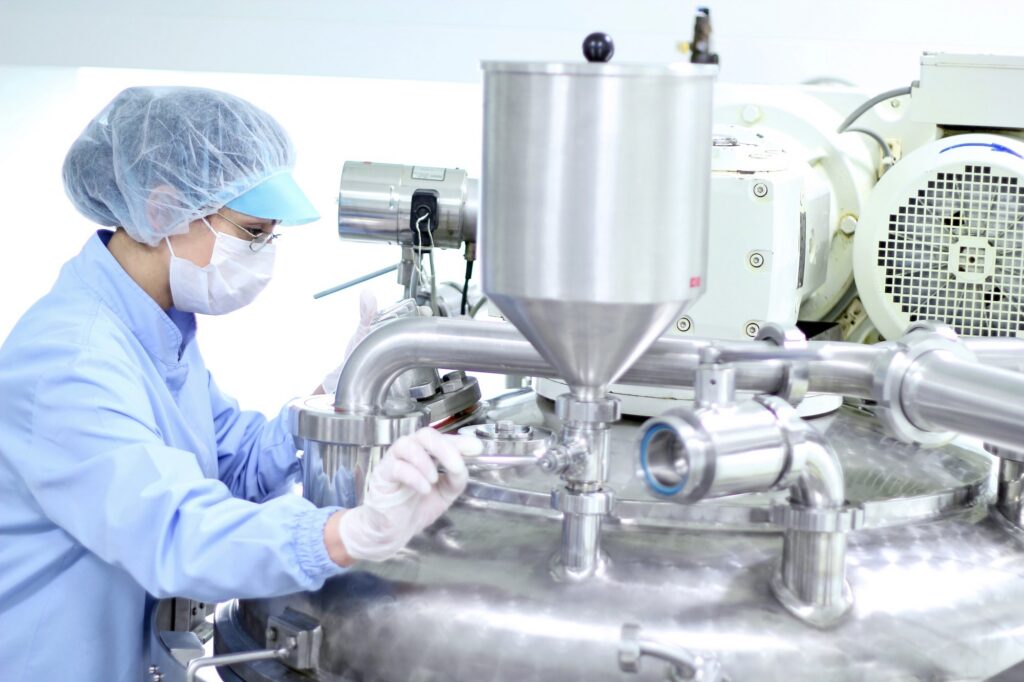
Uzbekistan is considering involving South Africa’s Sasol Limited in the development of its gas-chemical sector following talks held in Tashkent on March 15, according to the Ministry of Investment, Industry and Trade. The meeting brought together Uzbekistan’s Minister of Investment, Industry and Trade, Laziz Kudratov, and Sasol Executive Vice President Dr. Sarushen Pillay. Discussions focused on expanding cooperation in gas-chemical and coal-chemical industries, with both sides expressing interest in joint projects based on the deep processing of natural gas and coal. According to the ministry, particular attention was given to Sasol’s potential participation in a coal-to-olefins (CTO) project aimed at converting coal into higher-value chemical products. The parties also explored opportunities for technological cooperation in further developing Uzbekistan’s existing gas-to-liquids (GTL) complex, including the possible expansion of production capacity and the introduction of advanced processing technologies. Officials noted that the dialogue builds on earlier discussions held in Cape Town in February, indicating continued engagement between the two sides. Founded in 1950, Sasol is an international energy and chemical company operating in more than 20 countries. The company reported revenues of approximately $16.6 billion in 2024 and employs more than 28,000 people worldwide. As previously reported by The Times of Central Asia, Kazakhstan has also been expanding economic ties with African countries. Trade turnover increased by 15% in 2024 to reach $783 million. Regional officials have highlighted the importance of building partnerships based on mutual economic interests, particularly in sectors such as energy, industry, and technology.

Italy’s Eni Expands Energy Projects in Kazakhstan with Hybrid Power Plant

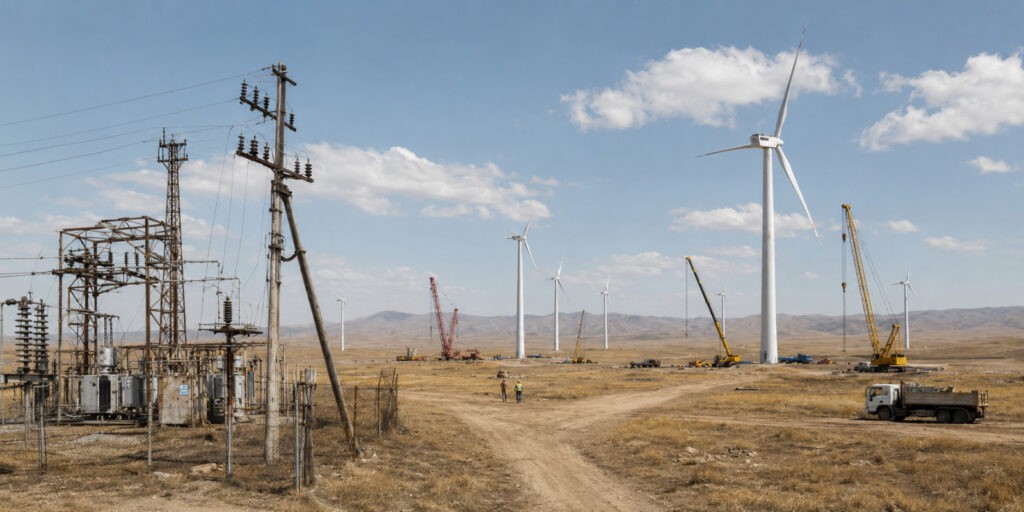
The Italian energy company Eni is accelerating the expansion of its projects in Kazakhstan. By the end of the year, the company plans to complete construction of a hybrid power plant in Zhanaozen, one of the country’s key oil and gas centers. The 247-MW project combines three energy sources: solar, wind, and gas generation. The approach is expected to reduce the carbon footprint while providing a more stable energy supply in a region where strategically important production assets are concentrated Construction is proceeding in stages. The first component is already operational. In September 2025, a solar power plant with 80,000 panels was commissioned. Full completion of the complex is scheduled for the end of 2026, following the launch of gas and wind generation facilities. According to the Ministry of Energy, the project is intended to strengthen energy security for major enterprises in the Mangistau region, including Ozenmunaygaz and the Kazakh Gas Processing Plant. In a region that regularly experiences power shortages, this is a significant development. The project was discussed during a meeting between Kazakhstan’s Minister of Energy Yerlan Akkenzhenov and Italy’s Ambassador to Kazakhstan Antonello De Riu. Italian companies are gradually expanding their presence in Kazakhstan’s energy sector, from upstream production to processing and power generation. Cooperation extends beyond electricity generation. In January 2026, QazaqGaz and Eni moved to the practical phase of exploration at the Kamenkovsky block in the Caspian Basin. Work is also continuing at the Yuzhny Shu-Sarysu and Bereke blocks. Another major initiative is the gas-chemical complex under construction in the Atyrau region. The polyethylene project, with a planned capacity of 1.25 million tons per year and an estimated cost of $7.5 billion, has already entered the construction phase. The project is being implemented by KMG PetroChem, with Italy’s MAIRE group (through its subsidiary Tecnimont) serving as a key contractor. At the same time, conventional power generation projects are advancing. Cooperation with Italian power engineering company Ansaldo Energia has enabled the installation of new gas turbines at Almaty CHPP-3, with equipment deliveries completed in January 2026. However, this expanding cooperation is taking place amid legal uncertainty. Earlier, Eni and Shell, partners in the development of the Karachaganak field, lost a key stage of arbitration proceedings in London and may be required to pay Kazakhstan between $2 billion and $4 billion. While this could affect future investment decisions, it has not so far slowed the growth of Italian companies’ activities in the country.