
• KGS/USD = 0.01144 0%
  • KZT/USD = 0.00207 0%
  • TJS/USD = 0.10417 -0.76%
  • UZS/USD = 0.00008 0%
  • TMT/USD = 0.28571 0%
  • KGS/USD = 0.01144 0%
  • KZT/USD = 0.00207 0%
  • TJS/USD = 0.10417 -0.76%
  • UZS/USD = 0.00008 0%
  • TMT/USD = 0.28571 0%
  • KGS/USD = 0.01144 0%
  • KZT/USD = 0.00207 0%
  • TJS/USD = 0.10417 -0.76%
  • UZS/USD = 0.00008 0%
  • TMT/USD = 0.28571 0%
  • KGS/USD = 0.01144 0%
  • KZT/USD = 0.00207 0%
  • TJS/USD = 0.10417 -0.76%
  • UZS/USD = 0.00008 0%
  • TMT/USD = 0.28571 0%
  • KGS/USD = 0.01144 0%
  • KZT/USD = 0.00207 0%
  • TJS/USD = 0.10417 -0.76%
  • UZS/USD = 0.00008 0%
  • TMT/USD = 0.28571 0%
  • KGS/USD = 0.01144 0%
  • KZT/USD = 0.00207 0%
  • TJS/USD = 0.10417 -0.76%
  • UZS/USD = 0.00008 0%
  • TMT/USD = 0.28571 0%
  • KGS/USD = 0.01144 0%
  • KZT/USD = 0.00207 0%
  • TJS/USD = 0.10417 -0.76%
  • UZS/USD = 0.00008 0%
  • TMT/USD = 0.28571 0%
  • KGS/USD = 0.01144 0%
  • KZT/USD = 0.00207 0%
  • TJS/USD = 0.10417 -0.76%
  • UZS/USD = 0.00008 0%
  • TMT/USD = 0.28571 0%

Viewing results 1 - 6 of 4

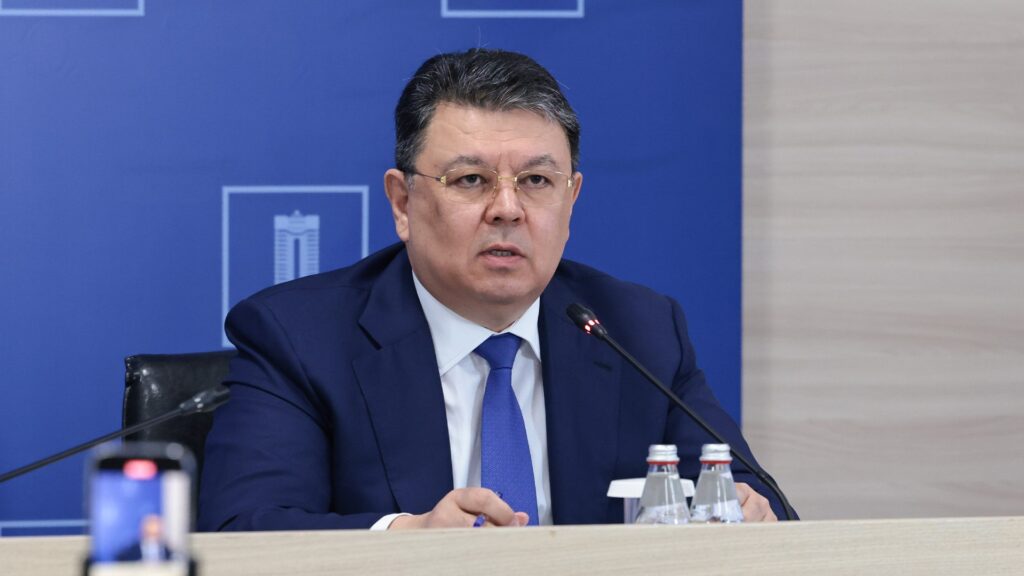
Kazakhstan to Invest $24 Billion in Energy Modernization

Kazakhstan has launched a National Project to modernize its energy and utility sectors for the period 2025-2029, with planned investments of 13 trillion tenge (over $24 billion). The initiative aims to upgrade existing infrastructure and construct new power generation, transmission, and water supply systems. Deputy Prime Minister Kanat Bozumbayev announced the preliminary cost estimate during the “National Project for the Modernization of the Energy and Utility Sectors: Opportunities for Kazakh Business” conference. According to Bozumbayev, the funds will support the repair and construction of 86,000 kilometers of utility networks and add 7.3 GW in new generation capacity. “Today, we have established the necessary regulatory framework to ensure long-term and affordable financing from financial institutions. We have now moved to the practical stage of the National Project. This year, pilot investments of around 144 billion tenge ($266 million) have been raised for 48 natural monopoly entities,” Bozumbayev stated. Financing will be sourced both domestically and internationally. The Kazakhstan Housing Company has already purchased bonds worth 22.5 billion tenge ($41 million) from local administrations in the Karaganda, Pavlodar, West Kazakhstan, and North Kazakhstan regions. The Development Bank of Kazakhstan is also finalizing assessments for selected projects. International partners are also involved. The European Bank for Reconstruction and Development is financing the construction of wastewater treatment facilities in the Aktobe region. Chinese companies are under consideration as potential partners for upgrading and building new coal-fired power plants. “There are certain restrictions on state-backed export financing from this country, but private companies have financial capabilities and experience operating in multiple countries,” Bozumbayev noted. Authorities expect to finalize financing sources for 2026 by year-end, while procurement and design procedures are scheduled to begin. “Funding will be provided through the state budget and market instruments. The National Project will also apply new procurement mechanisms aligned with international practices, including EPC contracts and consortium-based construction,” Bozumbayev added. Vice Minister of National Economy Assan Darbayev emphasized that reducing the wear and tear on heating, electricity, water supply, and wastewater networks to below 50% will require investments of 6.8 trillion tenge ($12.5 billion). The program includes 15 new generation projects worth 4.4 trillion tenge ($8 billion), along with 14 modernization projects for existing facilities valued at 1.8 trillion tenge ($3.3 billion). These measures are expected to reduce overall depreciation by 15%. As previously reported by The Times of Central Asia, Kazakhstan has faced worsening electricity shortages in recent years. In 2024, the shortfall between supply and demand reached 2.4 billion kWh, up from 2.2 billion kWh in 2023.
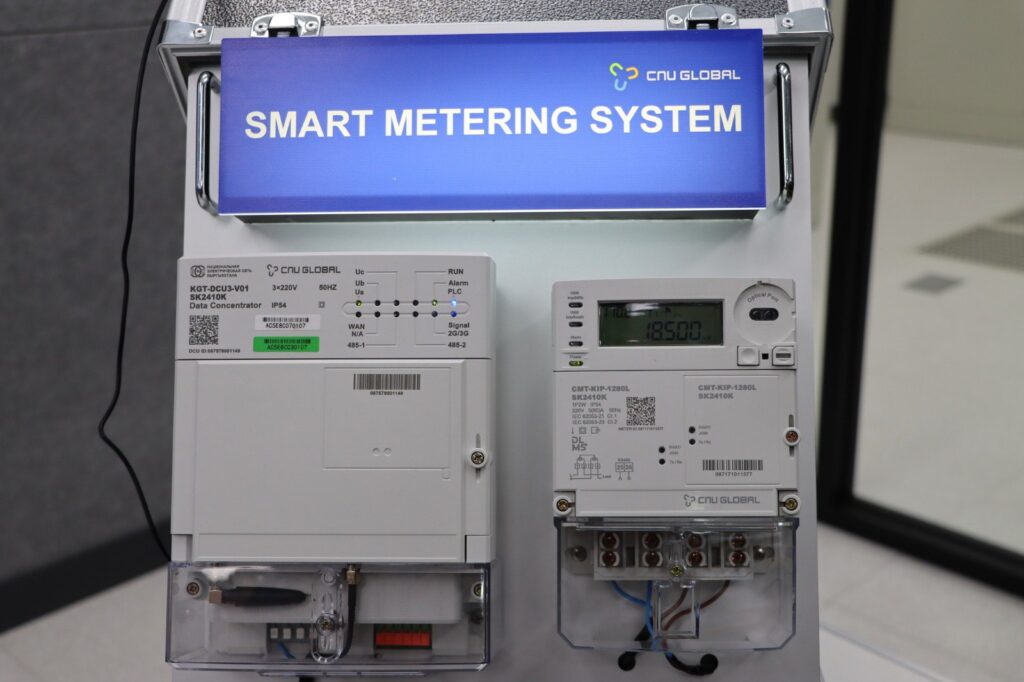

Korea Backs Kyrgyzstan’s Transition to Smart Electricity Metering

Kyrgyzstan’s Ministry of Energy, in partnership with the Korea International Cooperation Agency (KOICA), has completed the construction of a Centralized Advanced Metering Infrastructure (AMI) System Operation Center, a milestone in the country’s energy sector modernization. The completion ceremony, held last week, was attended by Kyrgyz Energy Minister Taalaibek Ibrayev, South Korean Ambassador Kim Kwang-jae, and KOICA Vice President Hong Seok-hwa. According to the Ministry of Energy, the project began in 2023 with KOICA’s support. The agency provided approximately $10.5 million and donated 10,779 smart electricity meters under a grant agreement. The new centralized system is designed to manage up to 1.5 million smart meters nationwide. “This ambitious project is the result of fruitful cooperation between the Kyrgyz Republic and the Republic of Korea,” said Minister Ibrayev. “Completion of the national Operation Center is a milestone in the digitalization of Kyrgyzstan’s energy sector. The Center will serve as a critical hub for managing the smart metering system, improving the reliability of electricity supply, enhancing distribution efficiency, ensuring billing transparency, reducing emergency shutdowns, and cutting power grid losses, an especially pressing need for our country.” Ambassador Kim echoed this sentiment: “Kyrgyzstan has great potential in the energy sector, and Korea is proud to contribute to its energy future with our experience and technology. We hope this project lays a foundation for data-driven energy policies and reduced energy losses.” Efficient electricity metering is vital for Kyrgyzstan, which suffers from recurring power shortages, particularly in winter. Although the country has the potential to produce up to 142 billion kilowatt-hours (kWh) annually, current production is just 14 billion kWh, roughly 10% of its hydropower capacity. Kyrgyzstan currently generates 3,450 megawatts of electricity, while demand has climbed to 3,600 megawatts. In 2024, national consumption reached 18.3 billion kWh, up 1.1 billion kWh from the previous year. To meet the shortfall, Kyrgyzstan imported 3.63 billion kWh of electricity, an increase of 141.7 million kWh compared to 2023.