• KGS/USD = 0.01144 0%
  • KZT/USD = 0.00213 0%
  • TJS/USD = 0.10560 0%
  • UZS/USD = 0.00008 0%
  • TMT/USD = 0.28530 0%
  • KGS/USD = 0.01144 0%
  • KZT/USD = 0.00213 0%
  • TJS/USD = 0.10560 0%
  • UZS/USD = 0.00008 0%
  • TMT/USD = 0.28530 0%
  • KGS/USD = 0.01144 0%
  • KZT/USD = 0.00213 0%
  • TJS/USD = 0.10560 0%
  • UZS/USD = 0.00008 0%
  • TMT/USD = 0.28530 0%
  • KGS/USD = 0.01144 0%
  • KZT/USD = 0.00213 0%
  • TJS/USD = 0.10560 0%
  • UZS/USD = 0.00008 0%
  • TMT/USD = 0.28530 0%
  • KGS/USD = 0.01144 0%
  • KZT/USD = 0.00213 0%
  • TJS/USD = 0.10560 0%
  • UZS/USD = 0.00008 0%
  • TMT/USD = 0.28530 0%
  • KGS/USD = 0.01144 0%
  • KZT/USD = 0.00213 0%
  • TJS/USD = 0.10560 0%
  • UZS/USD = 0.00008 0%
  • TMT/USD = 0.28530 0%
  • KGS/USD = 0.01144 0%
  • KZT/USD = 0.00213 0%
  • TJS/USD = 0.10560 0%
  • UZS/USD = 0.00008 0%
  • TMT/USD = 0.28530 0%
  • KGS/USD = 0.01144 0%
  • KZT/USD = 0.00213 0%
  • TJS/USD = 0.10560 0%
  • UZS/USD = 0.00008 0%
  • TMT/USD = 0.28530 0%

Viewing results 1 - 6 of 6

Turkmenistan Fuel Duties Force Truck Drivers to Dump Diesel

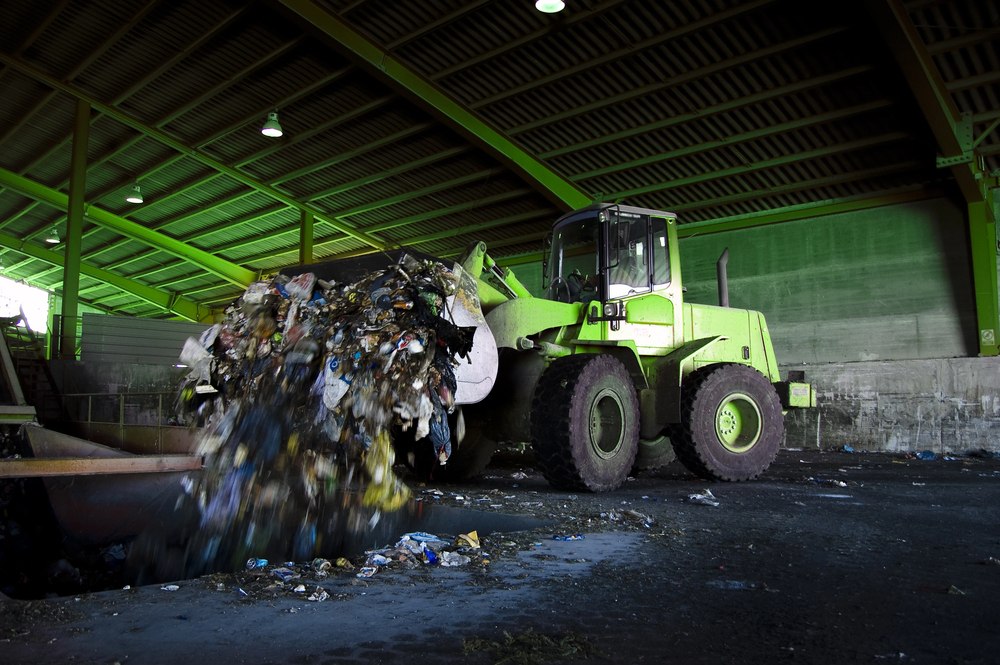
Since early April, Turkmenistan has imposed restrictions limiting the amount of fuel in the tanks of trucks leaving the country to no more than 300 liters. Any excess fuel may be retained only upon payment of a duty of $5.72 per liter, about 20 times higher than the official domestic price. Faced with these costs, many drivers have opted to dispose of surplus diesel instead. On April 5, turkmen.news posted a video on its Telegram channel showing foreign truck drivers dumping large quantities of diesel directly onto the ground. According to the outlet, the practice is a response to the country’s fuel regulations. Foreign truck drivers are required to pay the duty in U.S. dollars at the official exchange rate, rather than in the local currency. As a result, each additional liter effectively costs about $5.70. By comparison, diesel prices in Hong Kong, often cited among the highest globally, are nearly $2 lower per liter. In Kazakhstan, diesel costs approximately $0.70 per liter, while in Uzbekistan it is around $1. Within Turkmenistan, domestic fuel prices remain heavily subsidized at roughly $0.05 per liter. Only citizens of Turkmenistan are permitted to pay the duty in the national currency, the Turkmen manat. All others must pay in dollars, which are then converted into manats at the official exchange rate of 3.5 manats per dollar. Experienced drivers transiting Turkmenistan typically obtain manats in advance for local expenses. In this case, however, the requirement to pay in foreign currency appears to serve an additional fiscal purpose. As a result, rather than preventing fuel shortages, the policy has caused environmental damage, with significant quantities of diesel dumped onto the soil. Turkmenistan drivers are also reported to engage in similar practices, particularly those traveling to or through Kazakhstan, where refueling is cheaper than paying approximately $1 per excess liter at home. The impact is not limited to environmental concerns. Freight carriers operating within Turkmenistan have already begun increasing logistics prices, reflecting the added costs associated with the new regulations.

Environmental Damage Assessed at Ritz-Carlton Tashkent Construction Site

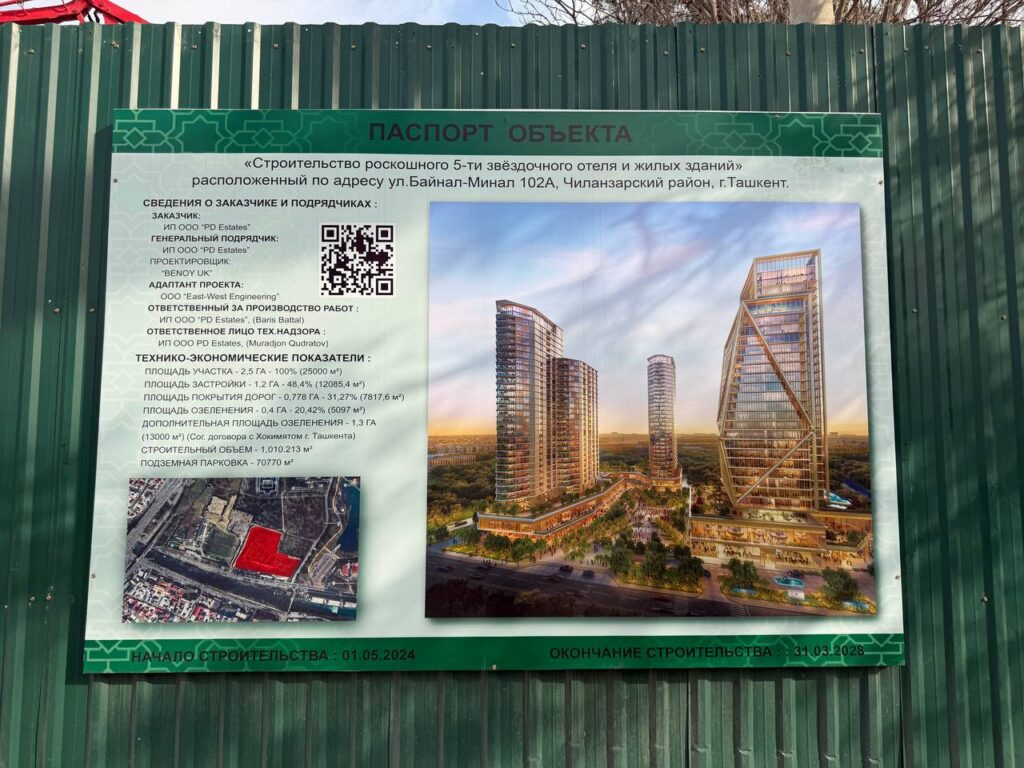
More than a dozen valuable trees have been cut down at the construction site of the Ritz-Carlton Tashkent in central Tashkent, according to Rasul Kusherbayev, adviser to the chairman of Uzbekistan’s Ecology and Climate Change Committee. Kusherbayev stated that the trees were removed from an area adjacent to the National Park in Tashkent. According to preliminary information, the felling was carried out in violation of the existing moratorium on cutting valuable tree species. He added that authorities are still determining whether additional trees were cut at the site. The land plot was reportedly allocated to Azerbaijani investors for the project. Kusherbayev also said that representatives of the construction company opposed attempts to film the tree cutting at the location. The project is being implemented by PD Estates, a joint venture linked to Azerbaijan’s Pasha Holding. The company is constructing a five-star, 150-room hotel under the The Ritz-Carlton Hotel Company brand, with an estimated investment of $200 million. In connection with the case, official documentation has been completed, and environmental damage has been assessed at 351,230,000 Uzbek sum (approximately $29,000). According to Uzbekistan’s Unified State Register of Enterprises and Organizations, PD Estates was registered in November 2023. The company has an authorized capital of 251.3 billion Uzbek sum (approximately $20.6 million) and specializes in construction project development. Its founders are Pasha Development, which holds a 99% stake, and Pasha Holding, which owns the remaining 1%. The company is headed by Baris Battal. The Ritz-Carlton is a luxury hospitality brand and a subsidiary of Marriott International, headquartered in Maryland, United States. It operates more than 90 hotels worldwide. According to the publication Uzdiplomat, in August 2024 Uzbekistan and Azerbaijan agreed to implement seven joint projects worth a total of $520 million. Under that framework, Pasha Development planned to build a $200 million Ritz-Carlton hotel and premium residential complex in Tashkent’s Chilanzar district. On February 29, 2024, President Shavkat Mirziyoyev signed a law strengthening penalties for illegal tree cutting. The amendments significantly increased fines for unlawful felling, introduced a mandatory requirement to plant new saplings in areas where trees have been removed, and extended financial liability to legal entities. Previously, only individuals and officials were subject to penalties. Under the new provisions, companies found guilty of illegally cutting valuable tree and shrub species face fines ranging from 100 to 300 times the base calculation amount, equivalent to approximately 34 million to 102 million Uzbek sum (about $2,800 to $8,400).