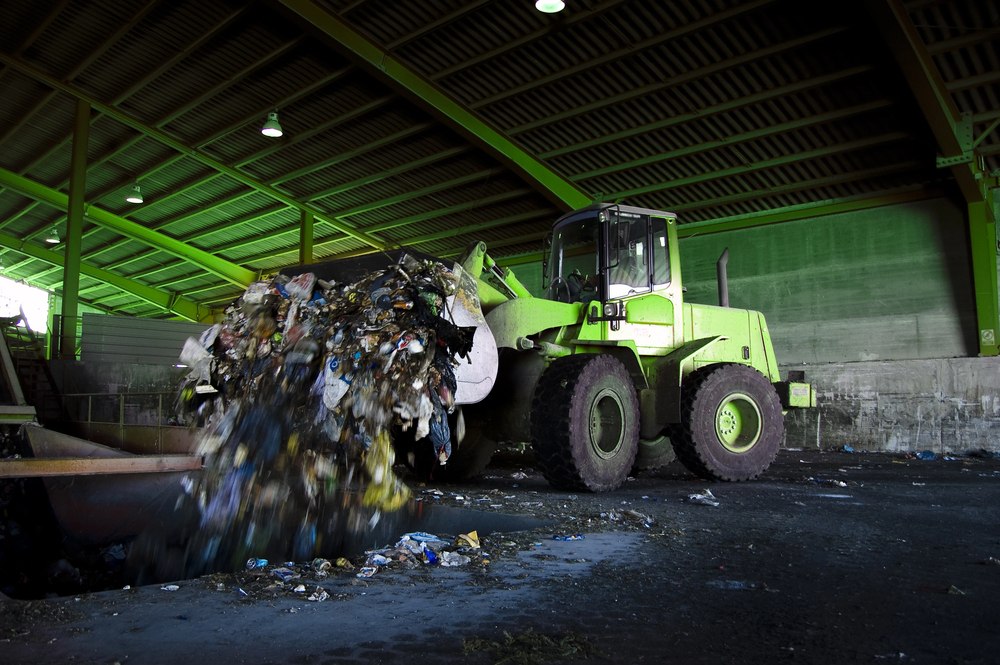
A planned Tajik-Iranian waste recycling plant in Tajikistan’s northern Sughd Region has been put on hold after Iranian investors were unable to travel to the country amid the conflict U.S.-Israeli war with Iran.
The facility was to be built in the Sughd Free Economic Zone in Khujand and had been promoted by local officials as the region’s first large-scale modern waste processing plant.
Muhammad Muhammadzoda, head of the free economic zone, told Asia-Plus that the project was to be jointly financed by Tajikistan and Iran, with the Iranian side covering 40% of the costs and the Tajik side financing the remaining 60%.
The first phase of construction was expected to require $5 million in investment and create between 30 and 50 permanent jobs. The plant was expected to convert waste into petroleum products and lubricants, with projected annual output of around 200 tons.
Muhammadzoda said that Iranian investors had visited Khujand, inspected the proposed site in the city’s third microdistrict, and approved the plan. He said they had delivered one container of equipment and asked municipal authorities to allocate two hectares of land for construction.
The Khujand city administration had reportedly agreed to allocate the land, but the process was interrupted before a formal decree could be issued.
“We were happy that a waste processing enterprise would be built, that new jobs would be created, and that the waste problem would finally begin to be addressed,” Muhammadzoda was quoted as saying. “But the war involving Iran destroyed all of that. Iranian entrepreneurs tried several times to come but never arrived and eventually stopped communicating altogether.”
The delay leaves Sughd without a large-scale modern recycling facility at a time when local officials say household and industrial waste volumes are increasing. In the absence of processing capacity, much of the region’s waste continues to accumulate in landfills, raising environmental and public health concerns.
Local officials had therefore presented the joint Tajik-Iranian project as a potentially significant step toward addressing the region’s waste management problems.
The Sughd Free Economic Zone was established in 2009 as an industrial and innovation zone offering investors tax and customs benefits, simplified registration procedures, and other preferential conditions. It covers approximately 320 hectares and has a special legal status intended to remain in force for 50 years.