• KGS/USD = 0.01144 0%
  • KZT/USD = 0.00204 0%
  • TJS/USD = 0.10605 -0.09%
  • UZS/USD = 0.00008 0%
  • TMT/USD = 0.28571 0%
  • KGS/USD = 0.01144 0%
  • KZT/USD = 0.00204 0%
  • TJS/USD = 0.10605 -0.09%
  • UZS/USD = 0.00008 0%
  • TMT/USD = 0.28571 0%
  • KGS/USD = 0.01144 0%
  • KZT/USD = 0.00204 0%
  • TJS/USD = 0.10605 -0.09%
  • UZS/USD = 0.00008 0%
  • TMT/USD = 0.28571 0%
  • KGS/USD = 0.01144 0%
  • KZT/USD = 0.00204 0%
  • TJS/USD = 0.10605 -0.09%
  • UZS/USD = 0.00008 0%
  • TMT/USD = 0.28571 0%
  • KGS/USD = 0.01144 0%
  • KZT/USD = 0.00204 0%
  • TJS/USD = 0.10605 -0.09%
  • UZS/USD = 0.00008 0%
  • TMT/USD = 0.28571 0%
  • KGS/USD = 0.01144 0%
  • KZT/USD = 0.00204 0%
  • TJS/USD = 0.10605 -0.09%
  • UZS/USD = 0.00008 0%
  • TMT/USD = 0.28571 0%
  • KGS/USD = 0.01144 0%
  • KZT/USD = 0.00204 0%
  • TJS/USD = 0.10605 -0.09%
  • UZS/USD = 0.00008 0%
  • TMT/USD = 0.28571 0%
  • KGS/USD = 0.01144 0%
  • KZT/USD = 0.00204 0%
  • TJS/USD = 0.10605 -0.09%
  • UZS/USD = 0.00008 0%
  • TMT/USD = 0.28571 0%
16 February 2026

Viewing results 1 - 6 of 8

European Investment Bank to Allocate €100 Million for Tajikistan’s Transport Infrastructure Upgrade

The European Investment Bank (EIB) plans to allocate €100 million to finance transport infrastructure projects in Tajikistan, according to an announcement by the country’s Ministry of Transport. The funding will support upgrades to existing infrastructure and improve the accessibility of transport services across the country. The investment is aimed at accelerating economic development, reinforcing the national transport network, and enhancing Tajikistan’s integration into regional logistics corridors. The funding is outlined in a Memorandum of Understanding signed between Tajikistan and the EIB, which serves as a framework for long-term cooperation. The memorandum was initially presented at the Global Gateway Investor Forum on Sustainable Transport Links between Europe and Central Asia, held in Brussels in January 2024, and was formally signed on April 4, 2025. Implementation efforts advanced during a working meeting on January 19 between Tajikistan’s Minister of Transport and Communications, Azim Ibrahim, and an EIB delegation led by Edvardas Bumsteinas, the bank’s Director for Asia and the Pacific Region. The two sides discussed project parameters, financing mechanisms, fund monitoring, and a preliminary list of initiatives eligible for support. The EIB reaffirmed its interest in “close cooperation” with Tajikistan and stressed that it will prioritize projects with regional significance that foster economic growth and transport integration. Officials on both sides believe that implementing the memorandum’s provisions will lay a foundation for the comprehensive development of Tajikistan’s transport sector and bolster its role as a key transit hub in Central Asia. This initiative complements a parallel effort by the European Bank for Reconstruction and Development (EBRD), which recently approved €10 million for the modernization of electric public transport in the city of Bokhtar. The EIB is the European Union’s official investment bank, wholly owned by EU member states. It operates in alignment with EU policy priorities and often partners with other European institutions to promote sustainable development globally.

EU Supports Connectivity Improvements in Kazakhstan, Kyrgyzstan, and Uzbekistan as Part of Trans-Caspian Transport Corridor

On November 27, Tashkent hosted the Trans-Caspian Transport Corridor (TCTC) and Connectivity Investors Forum, where representatives of the European Union, Central Asian and South Caucasus states, Türkiye, and international development banks reaffirmed the strategic importance of the TCTC as a fast and reliable route linking Europe and Asia. The TCTC is the EU’s designation for the Trans-Caspian International Transport Route (TITR), also known as the Middle Corridor. This multimodal route connects China and Southeast Asia to Europe via Central Asia, the Caspian Sea, Azerbaijan, Georgia, and Türkiye in no more than 15 days, offering an alternative to the northern route through Russia. Participants discussed efforts to modernize both hard infrastructure, roads, railways, ports, and logistics hubs and soft connectivity, including digitalization, regulatory alignment, and trade facilitation. According to the EU Delegation in Uzbekistan, the forum, attended by European Commissioner for International Partnerships Jozef Síkela and European Commissioner for Enlargement Marta Kos, produced several new agreements to enhance multimodal connectivity in Central Asia. The EU has committed EUR 10.4 million within an EBRD loan of EUR 35 million to modernize Aktau Port in Kazakhstan, a key logistics hub on the Caspian Sea. The project will expand berths, introduce energy-efficient cranes, and increase container-handling capacity, strengthening the Middle Corridor’s competitiveness. An envisaged EIB loan of EUR 150 million, backed by an EU guarantee of EUR 8.8 million, will support road rehabilitation in Kazakhstan. The financing for national operator KazAvtoZhol aims to improve sustainable transport infrastructure linked to the TCTC. The EU will contribute EUR 15.46 million within an EBRD loan of EUR 35 million for the modernization of the Karabalta-Chaldovar road in Kyrgyzstan. Upgrading the 31.7-kilometer section will enhance connectivity between Kyrgyzstan and Kazakhstan, reduce travel time and costs, and improve road safety. In Uzbekistan, an anticipated EIB loan of up to EUR 100 million, supported by an EU guarantee of EUR 6 million, will finance the Nukus Highway Development Project. The upgrade of 87 kilometers of the A380 highway, one of the country’s main transport arteries, is expected to strengthen regional trade and streamline transport flows with neighboring states. Speaking at the forum, Commissioner Marta Kos stressed the geopolitical and economic value of reliable east-west transport links: “All of us have learnt the hard way that excessive dependencies make us vulnerable," she said. "Investments in transport infrastructure, digital and energy connectivity create more options and less risk of blackmail. We need credible, long-term alternatives to the Northern Corridor. Cargo along the Middle Corridor has grown four-fold between 2022 and today. By 2030 it could again triple, if the right investments are made to increase capacity and close gaps.”

Kyrgyzstan Secures €9 Million in EIB Funding for CASA-1000 Energy Project

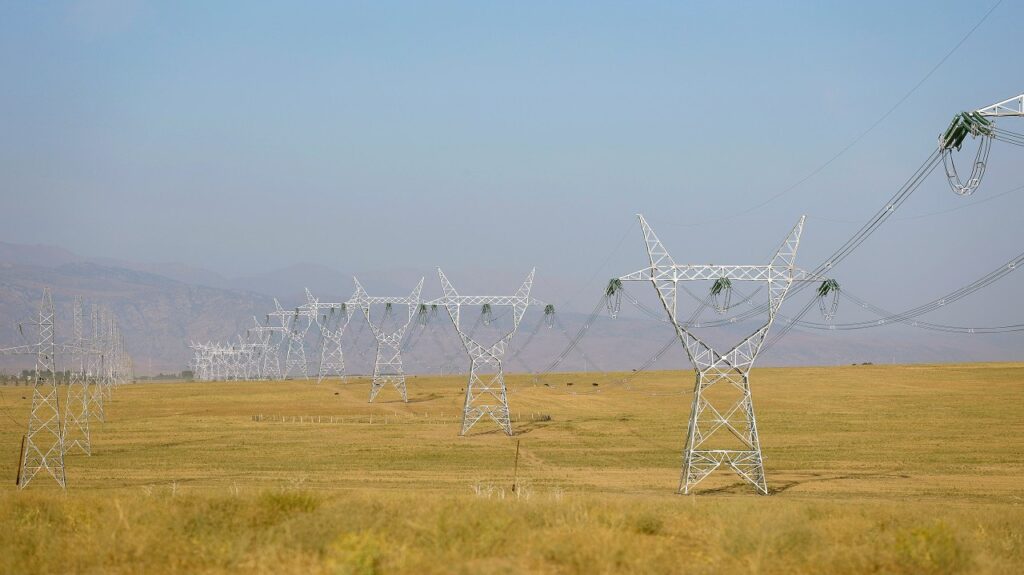
The Kyrgyz Ministry of Finance has approved the signing of a €9 million financing agreement with the European Investment Bank (EIB) to support the ongoing implementation of the CASA-1000 regional energy project. Under the terms of the agreement, the EIB will provide the Kyrgyz government with a 29-year loan, including an eight-year grace period, at an interest rate of 3.6% per annum. The funds will be used to complete infrastructure work under CASA-1000, a cross-border initiative aimed at exporting surplus summer electricity from Kyrgyzstan and Tajikistan to Afghanistan and Pakistan. According to the Ministry of Finance, the funds will be re-lent to the state-owned National Electric Grid of Kyrgyzstan (NEGK), the country's main electricity transmission operator and the contractor responsible for CASA-1000 infrastructure in Kyrgyzstan. Officials stated that the loan will not place additional pressure on the state budget. Repayment will be made through revenue generated by NEGK from electricity exports to South Asia. In line with the Kyrgyz Constitution, the agreement requires parliamentary approval by the Jogorku Kenesh before the funds can be disbursed to a dedicated Ministry of Finance account. The CASA-1000 project is now in an advanced stage of implementation. Kyrgyz President Sadyr Japarov and Tajik President Emomali Rahmon recently attended the inauguration of the 480-kilometer Datka-Sughd high-voltage transmission line, which connects the two countries’ power systems. This event marked the completion of all CASA-1000 infrastructure in Kyrgyzstan. Construction continues in southern Tajikistan, Afghanistan, and Pakistan. The full CASA-1000 corridor spans four countries, with a total transmission line length of 1,400 kilometers and an estimated total cost of $1.1 billion. Initial electricity deliveries to Afghanistan and Pakistan are scheduled for 2027.

European Investment Bank Commits €365 Million to Environmental Projects in Central Asia

At the first EU-Central Asia Summit, held in Samarkand, Uzbekistan, on April 4, European Investment Bank (EIB) Vice-President Kyriacos Kakouris signed four memorandums of understanding with partners in Kyrgyzstan, Tajikistan, and Uzbekistan. The agreements will direct €365 million in funding and are expected to unlock up to €1 billion in investment for sustainable transport, water management, and climate resilience initiatives across the region. The EIB is the long-term lending institution of the European Union. These agreements support the EU’s Global Gateway strategy, which aims to boost private sector development, improve transport and logistics infrastructure, and strengthen water management and environmental sustainability throughout Central Asia. In Kyrgyzstan, the EIB will provide €50 million through the Kyrgyzstan State Development Bank to support infrastructure investments via the National Promotional Bank. Tajikistan will receive €100 million to develop sustainable transport infrastructure along the Trans-Caspian Transport Corridor. In Uzbekistan, €175 million will be allocated to the Uzbekistan Water Implementation Center for water management and environmental sustainability projects, particularly under the Aral Sea Project, in collaboration with the French Development Agency (AFD). Additionally, Uzbekistan’s JSCB Microcredit bank will receive €40 million to bolster private sector development and to enable local financing for projects that contribute to sustainable transport and logistics connectivity. During the summit, Kakouris also signed a Host Country Agreement with Uzbekistan, establishing an EIB Regional Representation in the country to enhance the Bank’s presence in Central Asia. The EIB further announced the launch of negotiations for a framework agreement with Turkmenistan, signaling plans to begin operations there. “These agreements underscore the European Union and Central Asia’s shared commitment to deepening mutually beneficial cooperation,” said Kakouris. “As the EU’s bank, the EIB will continue playing a pivotal role in strengthening economic ties, promoting sustainability and private sector development, and enhancing infrastructure across the region. The memorandums of understanding pave the way for future financing in the transport and water sectors. Moreover, the Host Country Agreement with Uzbekistan and the launch of negotiations with Turkmenistan mark important milestones for the EU’s growing engagement in Central Asia.”