

• KGS/USD = 0.01144 0%
  • KZT/USD = 0.00213 0%
  • TJS/USD = 0.10699 0%
  • UZS/USD = 0.00008 0%
  • TMT/USD = 0.28571 0%
  • KGS/USD = 0.01144 0%
  • KZT/USD = 0.00213 0%
  • TJS/USD = 0.10699 0%
  • UZS/USD = 0.00008 0%
  • TMT/USD = 0.28571 0%
  • KGS/USD = 0.01144 0%
  • KZT/USD = 0.00213 0%
  • TJS/USD = 0.10699 0%
  • UZS/USD = 0.00008 0%
  • TMT/USD = 0.28571 0%
  • KGS/USD = 0.01144 0%
  • KZT/USD = 0.00213 0%
  • TJS/USD = 0.10699 0%
  • UZS/USD = 0.00008 0%
  • TMT/USD = 0.28571 0%
  • KGS/USD = 0.01144 0%
  • KZT/USD = 0.00213 0%
  • TJS/USD = 0.10699 0%
  • UZS/USD = 0.00008 0%
  • TMT/USD = 0.28571 0%
  • KGS/USD = 0.01144 0%
  • KZT/USD = 0.00213 0%
  • TJS/USD = 0.10699 0%
  • UZS/USD = 0.00008 0%
  • TMT/USD = 0.28571 0%
  • KGS/USD = 0.01144 0%
  • KZT/USD = 0.00213 0%
  • TJS/USD = 0.10699 0%
  • UZS/USD = 0.00008 0%
  • TMT/USD = 0.28571 0%
  • KGS/USD = 0.01144 0%
  • KZT/USD = 0.00213 0%
  • TJS/USD = 0.10699 0%
  • UZS/USD = 0.00008 0%
  • TMT/USD = 0.28571 0%

Viewing results 1 - 6 of 6

Kazakhstan’s Demographic Shift Puts Labor Market Under Strain

Kazakhstan’s population surpassed 20.5 million in the spring of 2026, but the country’s rapid demographic growth is increasingly being accompanied by structural economic imbalances. Kazakhstan is simultaneously facing the effects of declining birth rates, population aging, and a widening gap between the education system and labor market needs. Economists warn that the country is entering a phase in which the large generation born during the baby boom of the 2000s is placing growing pressure on the labor market, even as the share of the working-age population gradually declines. According to Kazakhstan’s Bureau of National Statistics, the number of births peaked in 2021, when 446,500 children were born. By 2025, this figure had fallen to 335,000, the lowest level in the past five years. The total fertility rate also declined to 2.57 children per woman, marking the lowest level since 2009. The decline in births has occurred despite a growing number of women of reproductive age. By early 2026, their number had reached a record 4.79 million. Analysts note that the drop in the overall birth rate to 16.43 births per 1,000 people, the lowest level in more than two decades, points to changing household behavioral patterns. In Kazakhstan’s largest cities, including Almaty and Astana, families are increasingly postponing childbirth because of high housing costs and rising debt burdens. The average age of motherhood has approached 30 years, reaching 29.9. High inflation is adding further pressure on households. Annual inflation remained in double digits in early 2026, which, combined with mortgage expenses, has made raising large families significantly less affordable for the urban middle class. Kazakhstan’s demographic dynamics are also becoming increasingly uneven. In the southern and western regions, fertility rates remain above the replacement level of 2.1 children per woman. However, in northern regions, fertility has declined to between 1.63 and 1.75, approaching levels more typical of Eastern European countries. Population growth is still supported by rising life expectancy and relatively low mortality, around 6.64 deaths per 1,000 people over the past four years. Nevertheless, demographers warn that the current increase in population masks a gradual future decline in the labor force. One of the key risks is the shrinking share of the working-age population. Over the past decade, it has fallen from 64% to 57.7%, increasing pressure on employed citizens to finance pension and social welfare systems. Experts warn that a decline in the number of contributors paying mandatory social contributions creates long-term risks for Kazakhstan’s Unified Accumulative Pension Fund and the Social Health Insurance Fund. At the same time, an aging population is increasing state healthcare expenditures. Businesses are already facing labor shortages in some industrial and agricultural regions. In the North Kazakhstan Region, employers have reported shortages in agriculture, manufacturing, and other key sectors. Kazakhstan adds more than 350,000 new labor market entrants each year, thanks to the generation born in the early 2000s. However, instead of entering industry or agriculture, many young people are increasingly choosing jobs in the urban service economy, including taxi services, delivery...

Kazakhstan’s Population Is Aging Rapidly as Demographic Pressures Mount

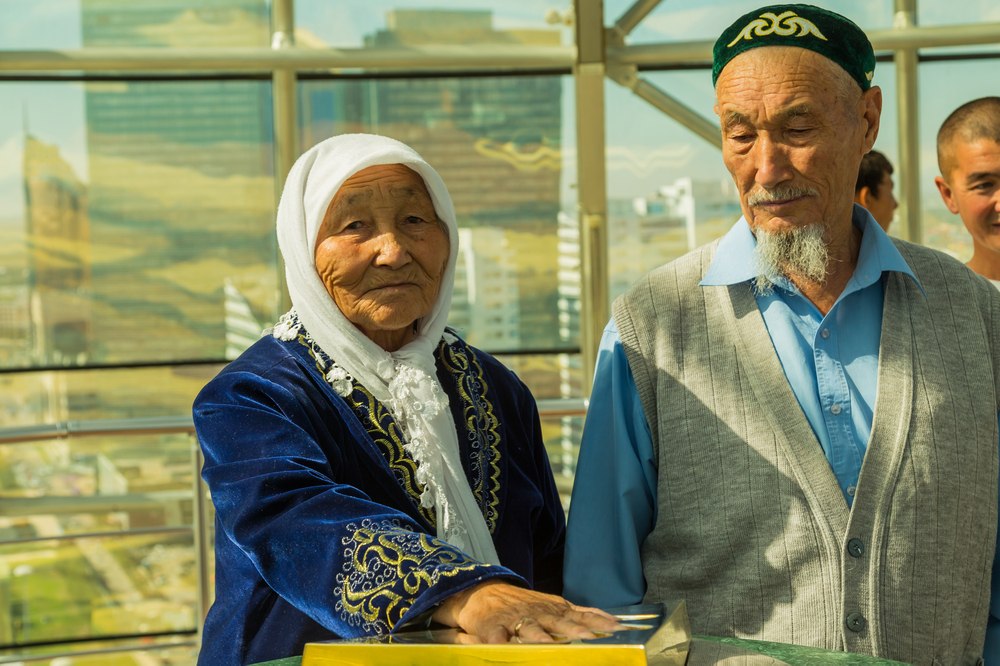
Kazakhstan’s population is aging rapidly, with the number of elderly citizens growing significantly faster than the child population as birth rates continue to decline. According to a study by analysts at Energyprom.kz, the country’s aging index has been steadily rising. In 2021, Kazakhstan had 26.7 elderly people for every 100 children under the age of 15. By 2025, that figure had increased to 32.9. The data suggests Kazakhstan is gradually entering a demographic phase in which the proportion of elderly citizens is growing much faster than the younger population. The trend is particularly pronounced in urban areas, where the aging index rose from 28.8 to 34.9 over four years. Rural areas remain relatively younger, though the index there also increased from 23.9 to 29.6. Researchers say the most difficult demographic situation is emerging in the country’s northern and eastern regions. The highest aging index was recorded in the North Kazakhstan Region at 84.1, followed by the East Kazakhstan Region at 80.7 and the Kostanay Region at 71.3. In practical terms, the number of elderly residents in these areas is approaching the number of children. High aging rates were also recorded in the Pavlodar, Karaganda, and Akmola regions. By contrast, Kazakhstan’s youngest demographic profiles remain concentrated in the southern and oil-producing regions. The lowest aging indexes were recorded in the Mangystau Region at 16.2, the Turkestan Region at 17.2, and the city of Shymkent at 17. Nevertheless, even these regions are showing gradual aging trends. Analysts say the primary driver of the shift is the changing balance between declining birth rates and the growing elderly population. Although Kazakhstan’s total population continues to increase, its demographic structure is becoming noticeably older. The number of children under the age of 14, after years of growth, has begun to decline. At the beginning of 2024 and 2025, the figure stood at around 5.9 million, but by early 2026 it had fallen to 5.8 million. At the same time, the number of Kazakhstanis aged over 65 continues to rise rapidly. Over the past decade, the elderly population increased from 1.2 million to 2 million people, an increase of nearly 60%. Additional pressure comes from falling birth rates. Kazakhstan’s total fertility rate dropped to 16.4 births per 1,000 people in 2025, compared to 23.5 in 2021, a decline of almost one-third in just a few years. The lowest birth rates are being recorded in the North Kazakhstan, Kostanay, and East Kazakhstan regions. However, even traditionally younger regions such as Turkestan and Mangystau are seeing fertility rates gradually decline. Experts warn that overall population growth is no longer compensating for changes in the country’s age structure. While the population is still increasing in absolute terms, the share of elderly citizens is rising much more rapidly. According to analysts, the trend is likely to place increasing pressure on Kazakhstan’s healthcare system, labor market, pension system, and social welfare infrastructure in the coming years.