
• KGS/USD = 0.01144 0%
  • KZT/USD = 0.00200 0%
  • TJS/USD = 0.10470 -0.19%
  • UZS/USD = 0.00008 0%
  • TMT/USD = 0.28490 0%
  • KGS/USD = 0.01144 0%
  • KZT/USD = 0.00200 0%
  • TJS/USD = 0.10470 -0.19%
  • UZS/USD = 0.00008 0%
  • TMT/USD = 0.28490 0%
  • KGS/USD = 0.01144 0%
  • KZT/USD = 0.00200 0%
  • TJS/USD = 0.10470 -0.19%
  • UZS/USD = 0.00008 0%
  • TMT/USD = 0.28490 0%
  • KGS/USD = 0.01144 0%
  • KZT/USD = 0.00200 0%
  • TJS/USD = 0.10470 -0.19%
  • UZS/USD = 0.00008 0%
  • TMT/USD = 0.28490 0%
  • KGS/USD = 0.01144 0%
  • KZT/USD = 0.00200 0%
  • TJS/USD = 0.10470 -0.19%
  • UZS/USD = 0.00008 0%
  • TMT/USD = 0.28490 0%
  • KGS/USD = 0.01144 0%
  • KZT/USD = 0.00200 0%
  • TJS/USD = 0.10470 -0.19%
  • UZS/USD = 0.00008 0%
  • TMT/USD = 0.28490 0%
  • KGS/USD = 0.01144 0%
  • KZT/USD = 0.00200 0%
  • TJS/USD = 0.10470 -0.19%
  • UZS/USD = 0.00008 0%
  • TMT/USD = 0.28490 0%
  • KGS/USD = 0.01144 0%
  • KZT/USD = 0.00200 0%
  • TJS/USD = 0.10470 -0.19%
  • UZS/USD = 0.00008 0%
  • TMT/USD = 0.28490 0%

Viewing results 1 - 6 of 7

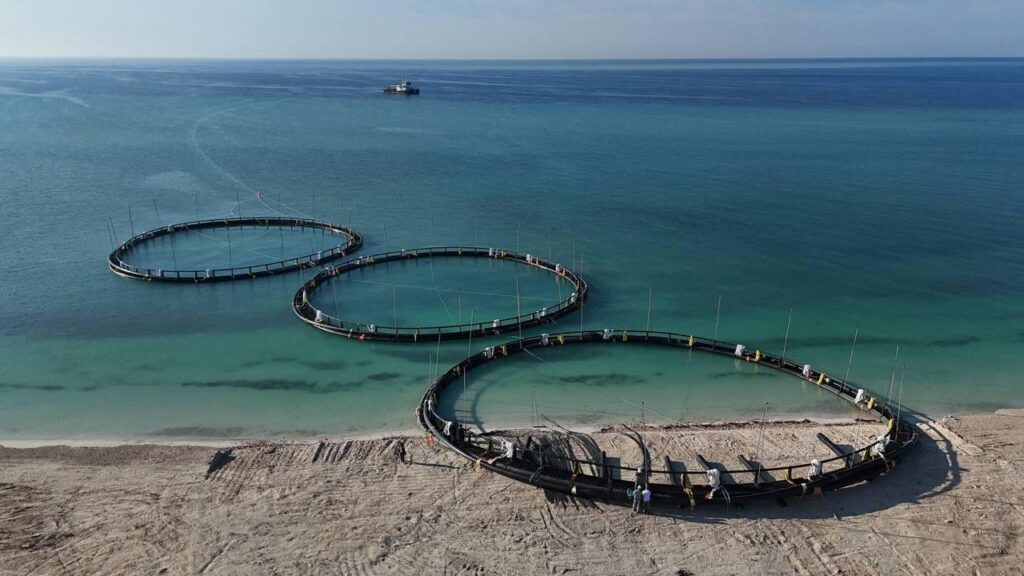
Kazakhstan’s Fish Production Continues Upward Trend

Kazakhstan’s fishing industry continues to show steady growth, reinforcing its role as a key contributor to economic development, job creation, and food security. According to the Ministry of Agriculture, Kazakhstan produced 76,800 tons of fish between January and November 2025, marking a 10% increase compared to the same period in 2024. Of this, 38,500 tons were sourced from natural water bodies, also a 10% rise, while aquaculture accounted for 20,900 tons, reflecting a 22% year-on-year increase. The country currently operates 72 fish processing plants with a combined annual capacity of around 120,000 tons. Of these, 20 facilities are certified to export to the European Union. Kazakhstan exports fish products to 21 countries, including Germany, the Netherlands, Russia, and China. In 2024, Kazakhstan exported 23,400 tons of fish products valued at $74.7 million. Data for 2025 is not yet available. During the first 11 months of 2025, the country produced 59,400 tons of processed fish products. This was supported by state-backed measures, including a 70% reduction in VAT and preferential loans at 5% annual interest, aimed at expanding the fish processing sector. Investment in the industry also continues to grow. Between 2021 and 2024, Kazakhstan implemented 87 aquaculture projects totaling 21.4 billion tenge (USD 41.9 million). An additional 4.6 billion tenge (USD 9 million) was invested in fisheries development during the first 11 months of 2025. One of the key projects under development is the modernization of the Atyrau Sturgeon Farm, which aims to increase the annual production of sturgeon fry from 5 million to 7.5 million. In 2025, 21.92 million juveniles of valuable fish species, including sturgeon, were released into natural and artificial water bodies across the country. With ongoing modernization of state-run hatcheries, total production capacity is expected to rise significantly from 18.4 million to 80.5 million fry per year. Kazakhstan’s fishing sector has entered a stage of sustainable growth. Increased government support, rising investment, and infrastructure modernization are laying a strong foundation for further expansion in fish production and processing, while also contributing to the conservation of aquatic ecosystems and improving access to high-quality fish products for the population.
New Kazakh Fish Processing Plant Exports Aral Fish to Europe

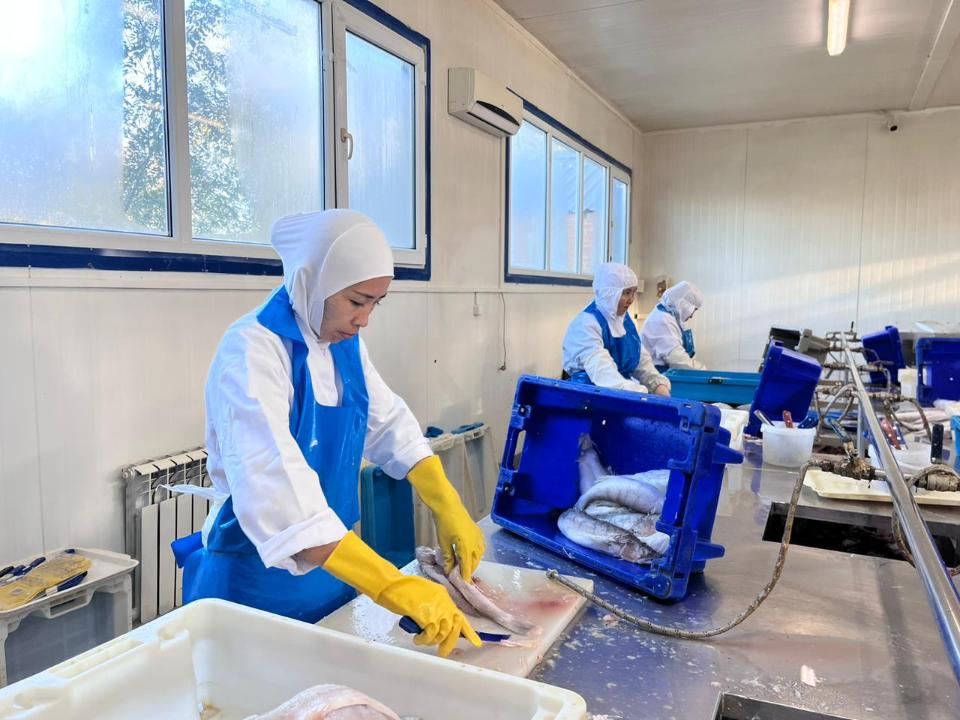
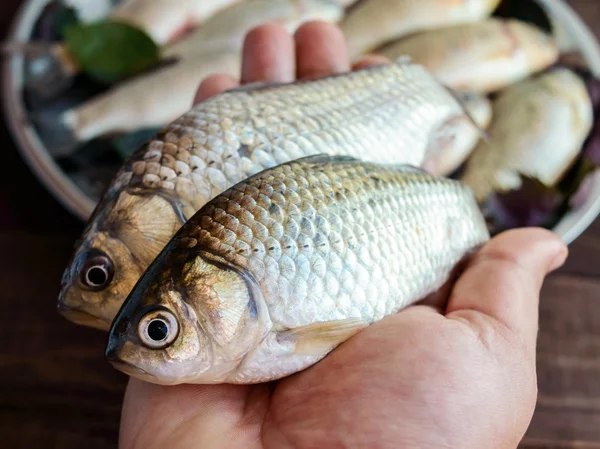
A new fish processing plant has opened in Kazakhstan’s Kyzylorda region, signaling continued progress in efforts to revive the fishing industry in the Aral Sea basin, once the site of one of the world’s most devastating environmental disasters. According to the Ministry of Agriculture, the facility, located in the Aral district, has the capacity to process up to 6,000 tons of fish annually. Outfitted with modern equipment, the plant focuses on producing environmentally sustainable fish products that comply with international quality and safety standards. Its primary export, pike perch fillets, is shipped to markets in Germany, Denmark, and Norway. Kazakhstan currently operates 72 fish processing plants, 20 of which are licensed to export to the European Union. The country’s fishing sector has been buoyed by ongoing efforts to restore the Northern Aral Sea. Formed in 1987 during the large-scale desiccation of the original Aral Sea, the northern section has been preserved and partially replenished following the construction of the Kokaral Dam. Earlier this year, The Times of Central Asia reported a record increase in the sea’s water volume. Rising water levels have expanded the surface area, reduced salinity, and facilitated the return of 22 fish species to the ecosystem. The annual catch in the Northern Aral now reaches approximately 8,000 tons, creating new economic opportunities for local communities. Kazakhstan’s fishing industry continues to show steady growth. In 2024, the country produced 94,600 tons of fish products, a 7% increase compared to 2023. Of this total, 45,200 tons came from natural water bodies, while 18,200 tons were farmed. In the same year, Kazakhstan exported 23,400 tons of fish products worth $74.7 million to 21 countries, reflecting rising global demand for sustainable fish from the Aral region.

Kazakhstan Reduced Fish Exports Last Year

Kazakhstan exported 23,400 tons of fish products in 2024, marking a decline from the previous year despite an overall 7% growth in domestic fish production. The figures point to a significant rise in domestic consumption of fish. According to the Ministry of Agriculture of Kazakhstan, 72 enterprises are currently engaged in fish processing, with 20 of them supplying products to the European Union. Kazakhstani fish products, over 50 types in total, are exported to 21 countries. However, the 2024 export volume fell short of the 25,300 tons reported in 2023, which included 11,800 tons of processed fish, a slight increase over 2022. In contrast, domestic consumption has surged. The domestic market absorbed 94,600 tons of fish products in 2024, up 7% compared to 2023. “The state actively supports the development of aquaculture. Subsidies to the industry have increased ninefold since 2021, reaching KZT 4.5 billion ($8.7 million) in 2024. Kazakhstan provides reimbursement of up to 25% of investment costs, 30% of feed costs, and 50% of the cost of purchasing young fish, broodstock, and veterinary drugs,” the Ministry of Agriculture stated. The number of fish farms in Kazakhstan has doubled in the past three years, reaching 600. In 2024, investments in fixed assets in the fishing industry exceeded KZT 5.2 billion ($10.1 million). Despite this growth, concerns remain about the ecological health of regional fish stocks. As previously reported by The Times of Central Asia, the Caspian sturgeon population has plummeted by 90% amid an ongoing environmental crisis.
