
• KGS/USD = 0.01144 0%
  • KZT/USD = 0.00205 0%
  • TJS/USD = 0.10608 0.19%
  • UZS/USD = 0.00008 0%
  • TMT/USD = 0.28490 0%
  • KGS/USD = 0.01144 0%
  • KZT/USD = 0.00205 0%
  • TJS/USD = 0.10608 0.19%
  • UZS/USD = 0.00008 0%
  • TMT/USD = 0.28490 0%
  • KGS/USD = 0.01144 0%
  • KZT/USD = 0.00205 0%
  • TJS/USD = 0.10608 0.19%
  • UZS/USD = 0.00008 0%
  • TMT/USD = 0.28490 0%
  • KGS/USD = 0.01144 0%
  • KZT/USD = 0.00205 0%
  • TJS/USD = 0.10608 0.19%
  • UZS/USD = 0.00008 0%
  • TMT/USD = 0.28490 0%
  • KGS/USD = 0.01144 0%
  • KZT/USD = 0.00205 0%
  • TJS/USD = 0.10608 0.19%
  • UZS/USD = 0.00008 0%
  • TMT/USD = 0.28490 0%
  • KGS/USD = 0.01144 0%
  • KZT/USD = 0.00205 0%
  • TJS/USD = 0.10608 0.19%
  • UZS/USD = 0.00008 0%
  • TMT/USD = 0.28490 0%
  • KGS/USD = 0.01144 0%
  • KZT/USD = 0.00205 0%
  • TJS/USD = 0.10608 0.19%
  • UZS/USD = 0.00008 0%
  • TMT/USD = 0.28490 0%
  • KGS/USD = 0.01144 0%
  • KZT/USD = 0.00205 0%
  • TJS/USD = 0.10608 0.19%
  • UZS/USD = 0.00008 0%
  • TMT/USD = 0.28490 0%
18 February 2026

Viewing results 1 - 6 of 5

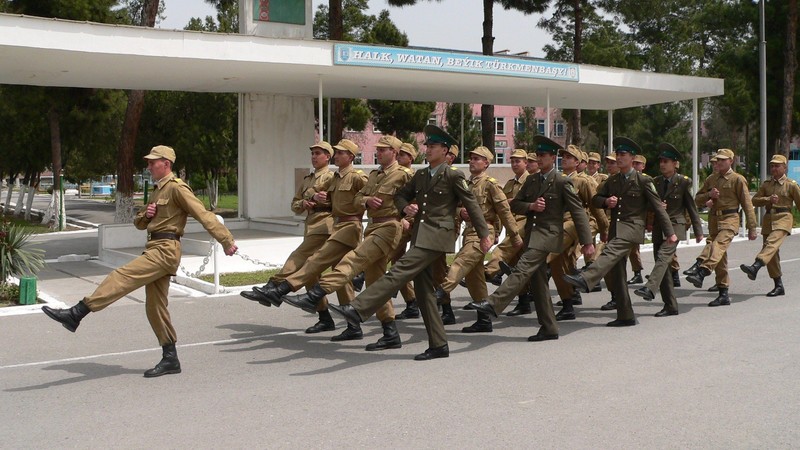
Food Conditions in the Turkmenistan Army Under Scrutiny

Conscripts returning from military service in Turkmenistan have reported severe food shortages, stark inequality between soldiers and officers, and institutional indifference. Against a backdrop of chronic malnutrition, instances of illness, interpersonal conflict, and even fatalities have been documented. According to former soldiers, food rations in the Turkmen armed forces are grossly inadequate and fall far short of nutritional standards. Daily meals typically consist of boiled pumpkin, stewed cabbage, beets, and rice porridge for breakfast and dinner. Lunch includes a thin soup reportedly containing only "pieces of carrot" and little else. Bread quality is a major concern. Flatbread made from locally sourced flour is often undercooked, forcing conscripts to eat it half-raw, leading to widespread gastrointestinal issues. Meanwhile, soldiers from wealthier families reportedly fare much better. Their relatives send money, which conscripts use to pay canteen cooks for preferential treatment. These soldiers are served separately, receiving meat dishes, salads, fruit, soft drinks, and properly baked bread. In some regions, such as the Balkan region, entrepreneurs have been officially allowed to open cafes near military checkpoints. There, soldiers can purchase rice, samsa, and other local dishes, funded either by family support or their own limited savings. One tragic incident occurred this summer at a base in the Balkan region. A fight broke out outside the canteen when a soldier from a well-off family refused to share his meal. The altercation escalated, ending in the death of one private and a lengthy prison sentence for the other. Discontent is also reportedly growing among officers. Despite earning relatively high salaries for the region, between $860 and $1,140 per month, many do not receive housing, forcing their families to pay substantial rents, which significantly reduces their disposable income. Graduates of the Ministry of Defense’s Military Institute are required to serve a minimum of five years before becoming eligible for discharge. However, approval for resignation remains at the discretion of the command, and with ongoing personnel shortages, such requests are frequently denied.
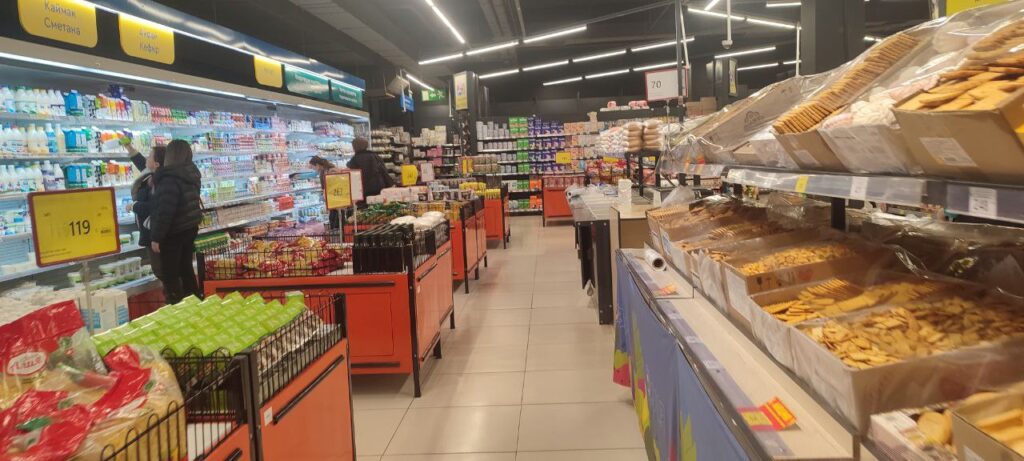
Despite Official Optimism, Southern Kyrgyzstan Struggles with Food Shortages

Kyrgyzstan’s Minister of Water Resources, Agriculture, and Processing Industry, Bakyt Torobaev, has reported steady growth in both agricultural output and the processing industry. Speaking at a briefing in Bishkek, Torobaev stated that agricultural production in the first half of 2025 reached $1.3 billion, $160 million more than in the same period last year, representing an annual growth rate of nearly 4%. The processing sector also showed gains, with output valued at $556 million in the first six months of the year. Torobaev added that the population was “provided with six basic foodstuffs: milk, meat, potatoes, vegetables, sugar, and eggs.” However, figures from the United Nations World Food Programme (WFP) paint a less optimistic picture. The agency’s research indicates that 8% of Kyrgyzstan’s population faces food shortages, while 53% have access only to the minimum required food supply. According to a WFP report, most households (74%) rely on negative coping strategies, such as depleting savings, borrowing money, and cutting expenditures on education and healthcare to meet their food and other basic needs. Additionally, 10% of the population reported a decline in income over the past year, with an average reduction of 37%. The WFP stated that the Jalal-Abad and Osh regions, both in the more densely populated south, account for nearly half of all citizens experiencing food shortages. High poverty levels in these areas, as well as in Batken, reflect the country’s highest rates of economic and food insecurity. The WFP supports vulnerable households through research, targeted material aid, and community programs aimed at building a sustainable food system. Assistance includes fortified wheat flour, vegetable oil, and cash transfers to low-income families participating in community development or human capital projects. The agency also supplies wheat flour to schools to improve nutrition for students in grades 1-4.

Global Report on Food Crises 2025: Tajikistan and Kyrgyzstan Identified as at Risk

For the first time, the 2025 Global Report on Food Crises, produced by the Food Security Information Network, has officially identified parts of Central Asia, particularly Tajikistan and Kyrgyzstan, as areas of concern for food security. Central Asia in the Spotlight The Food Security Information Network (FSIN) is a technical global platform for the exchange of expertise, knowledge and best practises on food security and nutrition analysis. Published on May 16, its food crises report for this year outlines a convergence of economic instability, persistently high food prices, and climate-related stressors that threaten to deepen food insecurity in the region. “In Central Asia, especially in Tajikistan and Kyrgyzstan, the situation is worrying due to economic difficulties, high food prices, and vulnerability to climate shocks,” the report states. The region’s inclusion in the list of at-risk areas marks a significant development, highlighting the urgency for both international attention and national-level action. External Dependence and Structural Fragility The report emphasizes the region’s heavy reliance on remittances and its ongoing struggle with inflation. Climate-related disruptions, such as droughts and temperature extremes, are already impacting agricultural yields, placing additional strain on the food system. Tajikistan is particularly vulnerable due to a combination of weak infrastructure, a small domestic market, and high poverty levels. While it has not yet been categorized among the 59 countries facing acute food crises, its identification as a potential hotspot signals a growing risk. This is not the first warning. In August 2024, the Eurasian Development Bank projected that Tajikistan’s food security could drop from 56.7% to 53% by 2035. The same forecast anticipated a 15% reduction in grain yields and a 9-11% decline in fruit and vegetable production, largely due to climate change. These projections align with observable trends: rising prices for basic goods, falling agricultural output, water shortages, and escalating logistical challenges driven by global conflicts. Acknowledging the Crisis President Emomali Rahmon addressed the issue directly during a May 17 seminar-meeting in the Danghara district, calling food security a national strategic priority. He warned that 2025 could be the hottest year on record and noted the compounding impact of global warming, inflation, and trade disruptions. Among the remedies proposed were the more efficient use of land, adoption of energy-saving technologies and agricultural innovations, investment in scientific research, and expanded replanting initiatives. The president also highlighted systemic issues in the sector, including declining meat and egg production, non-operational irrigation systems, and inadequate planting of vegetables and potatoes. The Road Ahead Tajikistan’s inclusion in the Global Report on Food Crises 2025 underscores the need for swift, coordinated efforts to strengthen food system resilience. Key priorities include addressing structural deficiencies in agriculture, adapting to climate change, and fostering regional and international cooperation.
