Viewing results 1 - 6 of 122
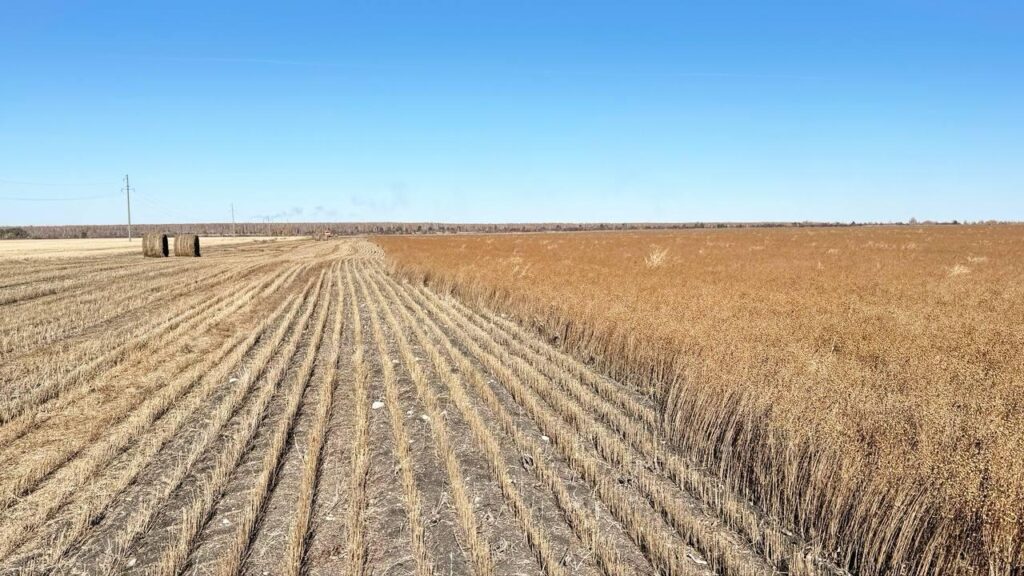
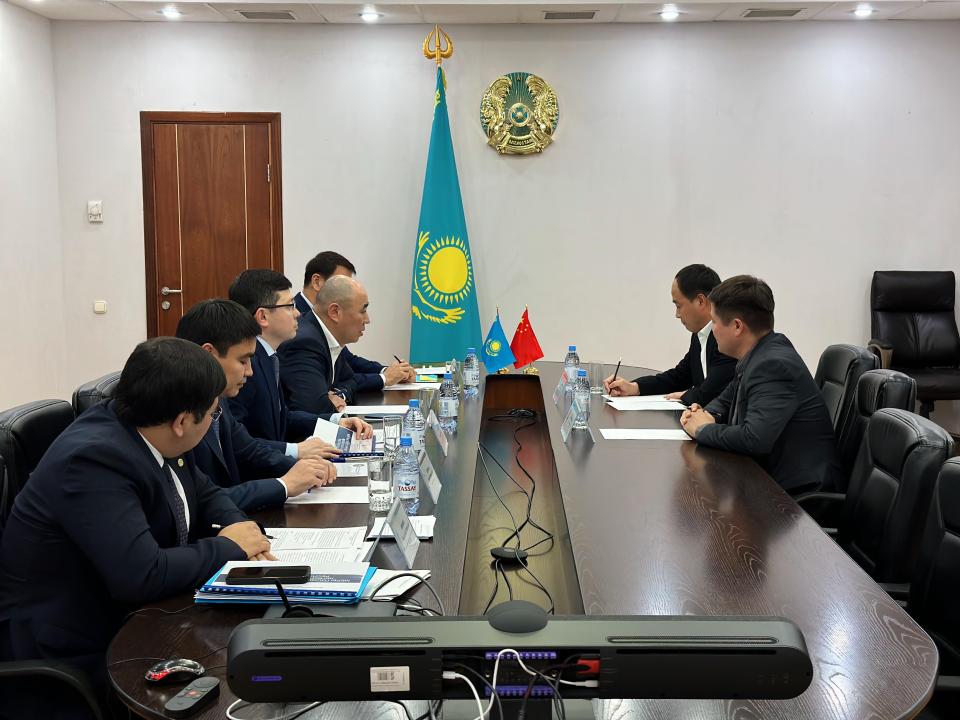
China’s Dalian Hesheng Holdings Group Co., Ltd. plans to establish a vertically integrated industrial park for the deep processing of wheat in Kazakhstan’s Akmola region. The project was discussed on December 18 during a meeting between Kazakhstan’s Prime Minister Olzhas Bektenov and a delegation from the Chinese company. Investments in the project will total $500-$800 million for the initial phase, with an additional $1 billion planned for the second and third phases. The plant will process 1 million tons of wheat annually during the first phase, with capacity increasing to 3 million tons per year in subsequent phases. The initiative is expected to create approximately 2,000 jobs. Construction is set to begin in the second quarter of 2025. The project will also include the construction of a coal-fired thermal power plant and a coal chemical complex capable of producing 150,000–400,000 tons of liquid ammonia annually. Prime Minister Olzhas Bektenov underscored the importance of enhancing wheat processing and expanding the production of high-value-added products. He directed government agencies to expedite the signing of an investment agreement with Dalian Hesheng Holdings. Kazakhstan has significant potential in deep grain processing, harvesting 16-17 million tons of grain annually. More than 260 different high-value-added products, such as bioethanol, gluten, and animal feed, can be derived from processed grain. The Times of Central Asia previously reported that Chinese company Myande Group signed a memorandum of cooperation in July for the construction of a wheat processing plant in Kostanay. That facility will produce amino acids, bioethanol, gluten, animal feed, and wheat bran, further bolstering Kazakhstan’s grain processing sector.
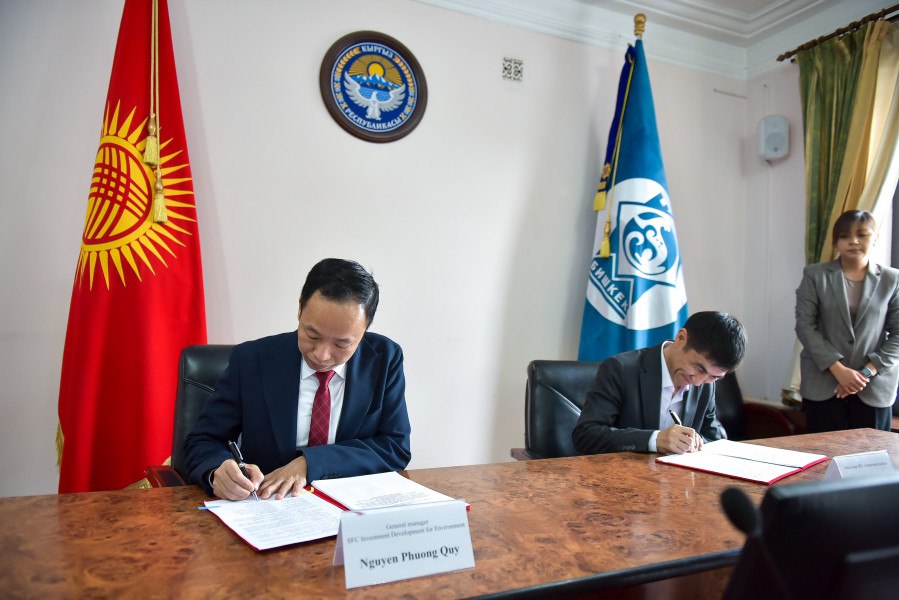
On December 18, the Bishkek City Administration signed a public-private partnership agreement with a consortium of Vietnamese companies - SFC Investment Development for Environment and Phu Dien Investment Construction and Trading. The agreement outlines plans for the reconstruction and modernization of the city’s wastewater treatment facilities. The project aims to comprehensively upgrade Bishkek’s municipal wastewater treatment infrastructure using cutting-edge technologies. Key initiatives include: Equipping the municipal water supply company’s laboratory with advanced water quality analysis tools. Replacing outdated water chlorination systems with ultraviolet disinfection technology. Automating control processes for wastewater treatment. The modernization is designed to ensure that treated wastewater meets both national and European environmental standards. It also aims to reduce environmental impact through the introduction of odor treatment systems. Deputy Chairman of the Cabinet of Ministers and Minister of Water Resources, Agriculture, and Processing Industry, Bakyt Torobayev, highlighted the urgency of such projects during the National Water Forum on November 29. Torobayev noted that only 39.5% of Kyrgyzstan’s 2,014 cities and villages currently have access to clean drinking water. Addressing the country’s water infrastructure needs will require an estimated $2 billion. The modernization of Bishkek’s wastewater treatment facilities represents a significant step forward in improving water management and ensuring sustainable development in Kyrgyzstan’s capital.
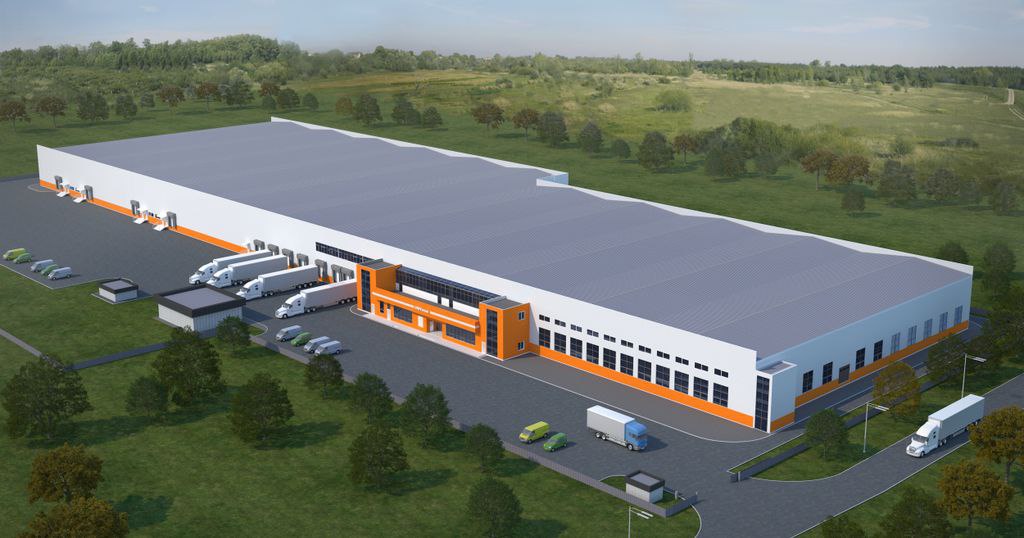
The World Bank has launched a project to establish an agro-logistics center in Tajikistan’s Sughd Special Economic Zone. The initiative, which began in 2021, aims to strengthen Tajikistan’s agricultural sector by increasing farm productivity and adding value to agricultural products. The center will serve as a critical element of efforts to enhance agricultural infrastructure and efficiency. The $5 million project, fully funded by the World Bank, is part of a broader six-year program titled “Enhancing the Sustainability of the Agricultural Sector,” running from June 2021 to June 2027. This program, with a total investment of $108 million, supports sustainable agricultural development through integrated activities. Construction of the Sughd Center is set to begin in 2025, with completion and commissioning expected by the end of 2026. The Sughd facility is one of five agro-logistics centers planned across Tajikistan as part of the World Bank’s initiative. These centers aim to reduce product losses and improve efficiency by introducing international standards for post-harvest handling of fruits and vegetables. Services provided will include sorting, packing, storage, and transportation, enabling Tajik producers to access new export markets and strengthen the national economy.
On November 27, Uzbek President Shavkat Mirziyoyev chaired a meeting to assess the country's foreign investment performance and set priorities for the coming year. In the first ten months of 2024, Uzbekistan secured over $26 billion in foreign investment—an increase of 1.7 times compared to the previous year. Of this amount, direct investment accounted for $24 billion of the total. These funds enabled the launch of 6,300 enterprises, generated an additional 30 trillion Uzbekistani Sums (UZS) in value, and boosted exports by $305 million. Crucially, 163,000 high-income jobs were created. An additional $8.6 billion in investment is anticipated by the end of the year. Regional and Sectoral Challenges During the meeting, a detailed analysis of investment performance across Uzbek regions and industries revealed that eight districts and cities showed low activity. Furthermore, some sectors experienced declines compared to the previous year. Delays in document preparation and tender processes also hindered the progress of 17 projects funded by international financial institutions. Mirziyoyev emphasized the need for enhanced regional investment initiatives and innovative approaches. He pointed out untapped opportunities, such as funding from the European Bank for Reconstruction and Development (EBRD), which is keen to support private-sector projects amid Uzbekistan’s improved business environment and economic growth. Strategic Focus The president also called on regional leaders to leverage financing opportunities effectively and focus on attracting investments that deliver tangible results. Priority areas include accelerating industrial development, creating jobs, and expanding export potential. Mirziyoyev also instructed officials to evaluate the volume and strategies of international financial institution financing and foreign investment. Each region and sector was tasked with identifying specific projects for 2025, emphasizing public-private partnerships and private investment.
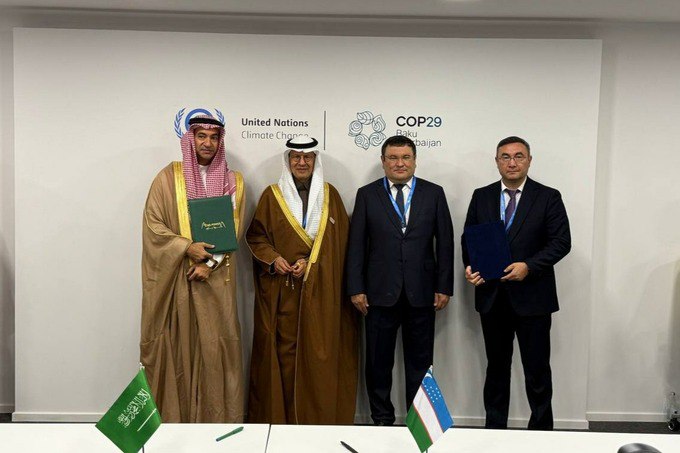
Saudi company ACWA Power has signed an agreement with Uzbekistan to construct electricity storage systems with a total capacity of 2,000 MWh. The agreement was formalized during the COP-29 climate conference in Baku, Azerbaijan. Under the agreement, ACWA Power will collaborate with Uzbekistan’s Ministry of Energy to develop energy storage systems across the country. The implementation will be based on a comprehensive analysis of the national grid’s condition. The project will begin with feasibility studies to determine the most suitable regions for phased deployment. The initiative is estimated to cost $1.1 billion and is expected to create over 1,000 jobs during its lifetime. Uzbekistan has ambitious plans to expand its energy storage capacity to 4.2 GW by 2030. The first energy storage system in the country is slated for launch in early 2025 in the Fergana region. Deputy Energy Minister Umid Mamadaminov recently noted that Uzbekistan needs to build 10 GW of backup capacity by 2030 to support the integration of renewable energy sources. He emphasized that the country’s minimum reserve should equal 50% of its solar and wind power capacity.
Xinjiang Lihua (Group) Co., Ltd., one of China’s largest companies specializing in the cultivation and deep processing of cotton, has commenced work on a cotton-textile cluster in Kazakhstan’s southern Turkestan region. The project’s progress was reviewed on November 14 during a meeting between Kanat Sharlapaev, Kazakhstan’s Minister of Industry and Construction, and representatives of the company. Located in the Turan Special Economic Zone, the joint venture involves the construction of facilities for PVC pipe manufacturing, drip irrigation systems, two cotton processing plants, a spinning mill, a weaving mill, a dyeing and finishing factory, and a garment factory. The project, with a total cost of 180 billion KZT (over $363 million), is expected to generate more than 4,000 jobs. This year, the initiative saw the installation of a drip irrigation system, cotton cultivation on 1,120 hectares, and the start of construction for the spinning mill. Minister Sharlapaev underscored the project’s significance for the development of Kazakhstan’s light industry, pledging comprehensive government support to ensure its success.