Russia Fuel Crisis Pushes Central Asia to Seek Alternatives
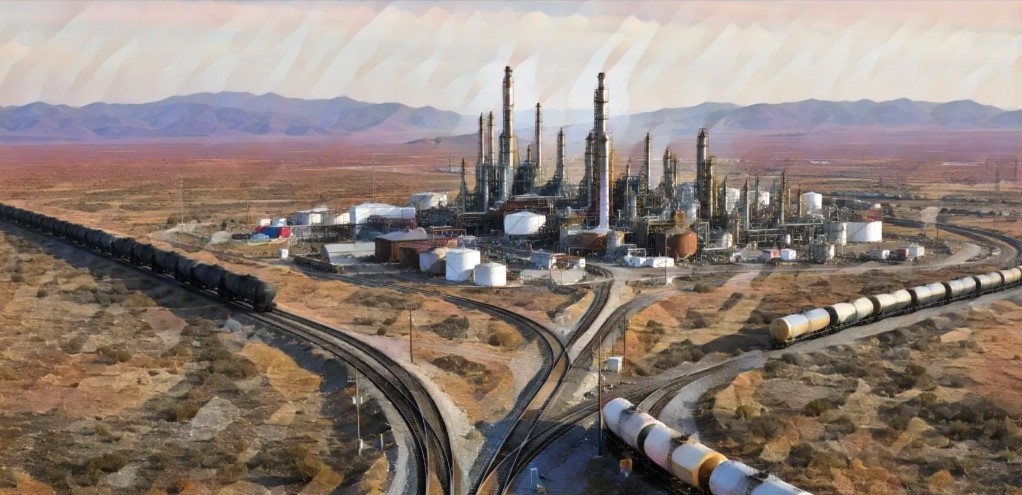
Disruptions at Russian oil refineries are beginning to reshape Central Asia’s established fuel supply routes. Kyrgyzstan is arranging supplies from China; Tajikistan has requested large volumes of crude oil and fuel from Iran, while Kazakhstan plans to more than double its refining capacity and eventually sell more petroleum products to its neighbors. Kyrgyzstan: The China Route Becomes a Real Option Kyrgyzstan and Tajikistan have felt the impact of Russia’s disruptions more acutely than other Central Asian countries. Both have limited domestic oil production and depend heavily on imported fuel. Galiya Ibragimova, a Central Asia expert with Carnegie Politika, told Al Jazeera that the two countries had been hit hardest in the region and said the search for new suppliers would continue, although alternative fuel would most likely be more expensive. For Kyrgyzstan, the Russian supply model had long been the most convenient. As a member of the Eurasian Economic Union (EAEU), Kyrgyzstan can import agreed quantities of Russian fuel duty-free each year. For 2026, Moscow has agreed to supply around 1.5 million tonnes – roughly equivalent to Kyrgyzstan’s total annual demand for petroleum products. More than 90% of Kyrgyzstan's imported fuel comes from Russia. This summer, that system began to falter. On August 12, Kanatbek Eshatov, head of Kyrgyzstan’s Oil Traders Association, said Russian refineries were offering virtually no additional volumes. Fuel was already arriving from Belarus, Azerbaijan, Turkey, one European country, and other markets. Eshatov did not expect the situation with Russian supplies to improve before October. Bishkek has also negotiated directly with China’s largest oil companies. Following talks with Sinopec, a Kyrgyz delegation met CNPC management on August 19. Kyrgyz companies signed contracts with CNPC for petroleum product supplies through Kunlun Logistics, according to Kyrgyz state news agency Kabar. Volumes and prices have not been disclosed. China is unlikely to displace Russia quickly on price. There is no direct rail connection between China and Kyrgyzstan, while road transport across the mountainous border is more expensive. But direct contacts with Sinopec and CNPC are giving Kyrgyz traders a supply channel that until recently was barely used. Another option is to refine more oil domestically. The country’s largest refinery, Junda in Kara-Balta, is moving to the next stage of a modernization project valued at $193.75 million. The plant is expected to increase petroleum product output and move to Euro 5 fuel standards. Kyrgyzstan does not produce enough crude to keep the refinery running at capacity, however, so it would still need to import much of the oil it refines. Bishkek is therefore keeping Russian finished fuel [bit technical] in the mix while purchasing petroleum products from other markets. It is also looking to refine imported crude domestically. Tajikistan: Iranian Crude Rather Than Just Another Gasoline Supplier Dushanbe has chosen a larger-scale option. During talks with Iran, Tajikistan requested 2.55 million tonnes of crude oil and petroleum products: 2 million tonnes of crude, 300,000 tonnes of diesel, 150,000 tonnes of gasoline, and 100,000 tonnes of jet fuel. Tajikistan’s Transport Ministry announced the...