
• KGS/USD = 0.01144 0%
  • KZT/USD = 0.00213 0%
  • TJS/USD = 0.10714 0.09%
  • UZS/USD = 0.00008 0%
  • TMT/USD = 0.28571 0%
  • KGS/USD = 0.01144 0%
  • KZT/USD = 0.00213 0%
  • TJS/USD = 0.10714 0.09%
  • UZS/USD = 0.00008 0%
  • TMT/USD = 0.28571 0%
  • KGS/USD = 0.01144 0%
  • KZT/USD = 0.00213 0%
  • TJS/USD = 0.10714 0.09%
  • UZS/USD = 0.00008 0%
  • TMT/USD = 0.28571 0%
  • KGS/USD = 0.01144 0%
  • KZT/USD = 0.00213 0%
  • TJS/USD = 0.10714 0.09%
  • UZS/USD = 0.00008 0%
  • TMT/USD = 0.28571 0%
  • KGS/USD = 0.01144 0%
  • KZT/USD = 0.00213 0%
  • TJS/USD = 0.10714 0.09%
  • UZS/USD = 0.00008 0%
  • TMT/USD = 0.28571 0%
  • KGS/USD = 0.01144 0%
  • KZT/USD = 0.00213 0%
  • TJS/USD = 0.10714 0.09%
  • UZS/USD = 0.00008 0%
  • TMT/USD = 0.28571 0%
  • KGS/USD = 0.01144 0%
  • KZT/USD = 0.00213 0%
  • TJS/USD = 0.10714 0.09%
  • UZS/USD = 0.00008 0%
  • TMT/USD = 0.28571 0%
  • KGS/USD = 0.01144 0%
  • KZT/USD = 0.00213 0%
  • TJS/USD = 0.10714 0.09%
  • UZS/USD = 0.00008 0%
  • TMT/USD = 0.28571 0%

Viewing results 1 - 6 of 21

EU Pledges Steady Support for Tajikistan Ahead of Historic Central Asia Summit

The European Union will maintain its current level of assistance to Tajikistan despite the recent suspension of U.S. funding through USAID, EU Ambassador to Tajikistan Raimundas Karoblis has confirmed. He emphasized that European and American aid programs operate independently and that EU support will remain unaffected. “Aid from the EU will continue and will not be reduced,” Karoblis stated. He added that the EU's assistance framework for Tajikistan is already set through 2027 and cannot be revised before then. Discussions about increased support may take place after that period.   EU and Central Asia: Toward a Historic Summit On March 27, Ashgabat will host the 20th meeting of foreign ministers from the European Union and Central Asia. The key objective of this gathering is to prepare for the first-ever EU-Central Asia Summit, scheduled for April 3-4 in Samarkand. The summit will bring together the President of the European Council, the head of the European Commission, and the leaders of all five Central Asian states. According to the EU Delegation in Tajikistan, the summit will mark a new milestone in EU-Central Asia relations, reflecting the EU’s deepening political engagement with the region. Financial Assistance and Strategic Priorities Between 2021 and 2027, the EU has committed more than €550 million in aid to Central Asia, with €142 million allocated to Tajikistan. The focus areas include building an inclusive green economy, investing in human capital, and ensuring sustainable management of natural resources. Under its Global Gateway initiative, the EU is working to develop smart and sustainable connectivity across transport, digital infrastructure, energy, and education. A key initiative is the Trans-Caspian Transport Corridor, to which the EU has allocated more than €88 million. Other efforts target enhanced digital and energy integration in the region. In the strategic domain of critical raw materials, the EU has earmarked €16 million to support local value chains and promote sustainable investments. Additionally, through the European Fund for Sustainable Development Plus (EFSD+), €30 million in guarantees have been allocated for renewable energy and raw material extraction projects. Security, Education, and Youth Engagement The EU plays an active role in regional security initiatives. Its BOMCA program supports border management and the fight against transnational crime, while the CADAP program focuses on drug use prevention. In Tajikistan specifically, the EU, in partnership with the OSCE, is implementing a project to strengthen the capacity of border guards along the Tajik-Afghan frontier. The EU also contributes to counter-terrorism efforts and collaborates with the government on related initiatives. Education and youth empowerment are additional EU priorities. From 2013 to 2027, €95 million has been directed toward reforming Tajikistan’s education sector. The Erasmus+ program received €73 million for 2021-2027, enabling students from Central Asia to study at European universities. Youth employment is also being addressed through the €10 million DARYA program, and the recently launched €4.5 million Regional Civil Society Fund (as of September 2024) is aimed at strengthening civic engagement. Karoblis reaffirmed the EU’s long-term commitment to Tajikistan, noting that assistance will remain consistent,...

Kazakhstan Investigates Recipients of USAID Funding

Following the cancellation of USAID funding, the Kazakhstani government and parliament are scrutinizing the recipients of U.S. financial assistance. The issue has sparked significant public debate and online discussions. Deputies Demand Explanations On March 10, the U.S. administration announced the cancellation of 83% of USAID programs. Secretary of State Marco Rubio stated: “After a six-week review, we are officially canceling 83% of USAID programs. The 5,200 contracts now canceled spent tens of billions of dollars in ways that did not serve (and in some cases even harmed) the core national interests of the United States.” Earlier, on March 5, deputies from the People's Party of Kazakhstan (PPK) formally requested that the Minister of National Economy and the Minister of Justice conduct an audit of foreign funding for non-governmental organizations (NGOs). Lawmakers called for transparency regarding project financing, allocated amounts, and fund usage. According to the deputies, some USAID-funded programs contradicted traditional Kazakhstani values, particularly those related to LGBT rights and feminist movements. Reports indicate that members of the parliamentary majority faction, Amanat, also supported the request. Government Investigation Underway The government's position remained unclear until March 12, when Respublika newspaper reported that Deputy Prime Minister and Minister of National Economy Serik Jumangarin had responded to the Mazhilis on behalf of the Cabinet of Ministers. Respublika is associated with Mukhtar Ablyazov, a fugitive oligarch sentenced in absentia to a lengthy prison term in Kazakhstan. According to the report, 28 long-term USAID programs were active in Kazakhstan under bilateral agreements in 2024. In total, USAID allocated $26.5 million for projects implemented in the country between 2023 and 2024. These initiatives covered sectors such as the economy, energy, healthcare, civil society, and media. Some projects extended beyond Kazakhstan, impacting other Central Asian nations. Among the NGOs operating under USAID programs in 2024-2025 were: Public Foundation "Desenta" NGO "Kadyr-Kasiyet" Representative Office of Eurasia Foundation in Kazakhstan Representative Office of Winrock International Representative Office of Internews Network Representative Office of the American Bar Association Additionally, several government agencies collaborated with USAID. Jumangarin noted that, under Kazakhstani law, recipients of foreign funding must publish annual reports on how the funds are used. He assured deputies that the verification of USAID-funded projects would continue under a working group established by the Ministry of Foreign Affairs, led by Murat Nurtleu. Funding Details Emerge Further details surfaced on March 14, with reports indicating that USAID had canceled contracts in Central Asia, including Kazakhstan and Kyrgyzstan. Two contracts in Kazakhstan were reportedly worth $2.35 million and $3.35 million. These funds were designated for the projects “Strengthening Civic Participation in Kazakhstan” and “Strengthening Human Rights and Equality.” The latter aimed to support LGBT organizations in Kazakhstan and Kyrgyzstan in advocating for human rights. This information was cited from an official USAID document. Additional media reports revealed a list of USAID grantees in 2024, including: ArtKoshe PF The YouTube channel "Hyperborey" Oksana Gabitova (Akulova) Vlast Media Group LLP DEPPA podcast Täuelhsız project Tasadagy Omir project Aftertutor IP, an online magazine focused on...

Tajikistan to Modernize Energy, Cotton, and Education Sectors with EU Grants

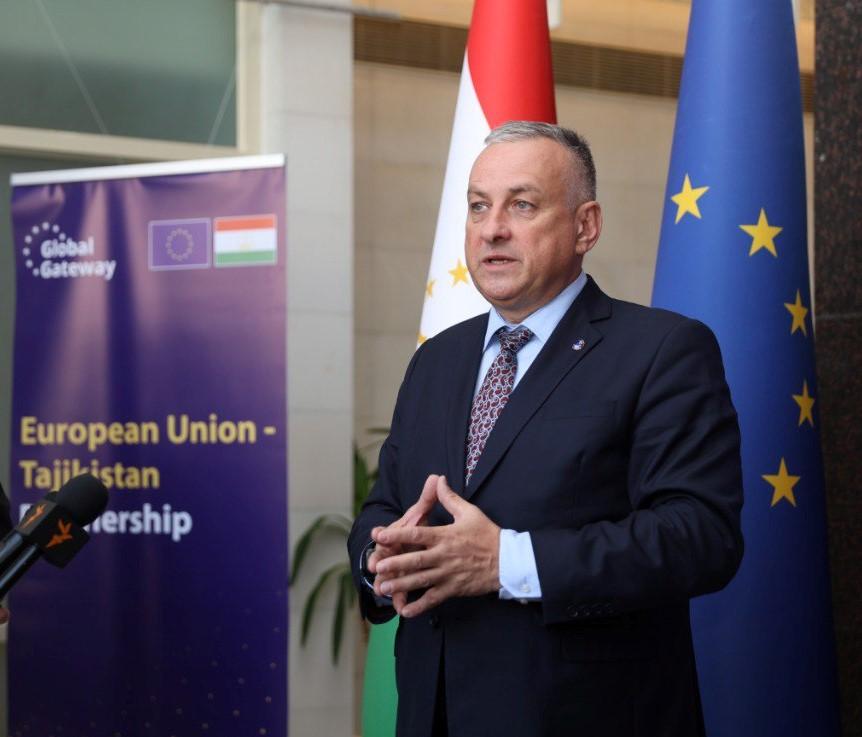
On March 14, European Commissioner for International Partnerships Jozef Síkela arrived in Tajikistan. He met with President Emomali Rahmon to reaffirm the European Union’s commitment to the country through the EU’s Global Gateway initiative​. During their meeting, Síkela and Rahmon discussed the state and future of EU-Tajikistan relations, as well as pressing regional issues. Their talks focused on expanding economic and trade ties, attracting investments in industry and agriculture, and securing funding for hydropower projects. Rahmon emphasized Tajikistan’s commitment to green technologies and its goal of generating 100% of its electricity from renewable sources under the Strategy for the Development of the Green Economy until 2037​. EU’s New Funding for Tajikistan During his visit, Síkela announced several new EU funding initiatives aimed at strengthening Tajikistan’s sustainable development. According to the EU Delegation to Tajikistan, two key agreements were signed with Team Europe partners to drive sustainability efforts in the country: A €20 million investment grant with the European Bank for Reconstruction and Development (EBRD) to modernize Tajikistan’s electricity grid, reduce energy losses, and prepare for future renewable energy investments. This aligns with the EU’s broader goal of enhancing energy security and supporting the green transition in Central Asia. A €20 million grant with Deutsche Gesellschaft für Internationale Zusammenarbeit (GIZ), the German Agency for International Cooperation, to promote sustainability in Tajikistan’s cotton sector. The initiative will support certified sustainable cotton production, improve processing for high-quality exports, and create new opportunities for the domestic private sector. Additionally, the EU announced a €10 million disbursement as part of a larger €30 million budget support program. This funding will help implement the National Strategy for Education Development 2030 and the Programme for Professional Training of Citizens 2021-2025, improving the quality and relevance of both general secondary education and vocational training​. As part of his visit, Síkela toured the Rogun Hydropower Plant, a crucial project for Tajikistan’s energy infrastructure. “With its Global Gateway strategy, the EU is investing in Tajikistan’s future by supporting critical infrastructure upgrades, expanding renewable energy capacity, and modernizing key industries such as cotton production,” Síkela stated. “These investments will reduce energy losses, create jobs, and open new export markets”​.
