Berdimuhamedov’s Beijing Visit and the Reshaping of Central Asia’s Gas System
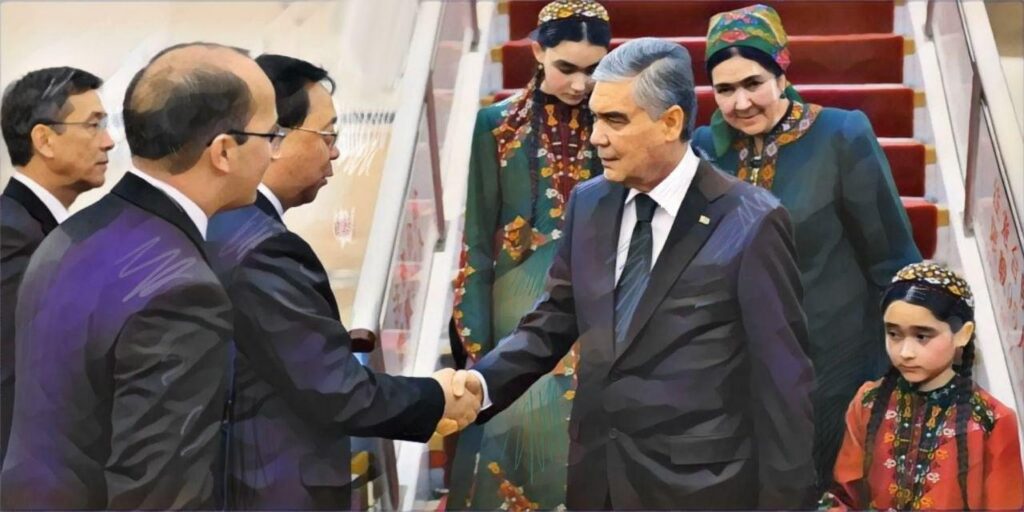
The visit by Turkmenistan’s Gurbanguly Berdimuhamedov, Chairman of the Halk Maslahaty, to Beijing on March 17–19 did more than routinely reaffirm Turkmenistan’s ties with China. It opened onto a wider issue in Central Asian energy, not simply about continuing the cooperation between Ashgabat and Beijing, but about how the renewal of that cooperation would affect the Central Asia–wide gas production and transmission system that increasingly intersects with China’s wider infrastructural and industrial presence in the region. No dramatic announcement of any new export route highlighted that wider significance, which emerged from a narrower sequence of policy initiatives that carried broader implications. Xi Jinping used the visit to restate the importance of cooperation in natural gas while widening the agenda to include connectivity, clean energy, artificial intelligence, and the digital economy. Within days of the meeting, Turkmenistan moved ahead on a new phase of development at Galkynysh with CNPC. These events signal a further deepening Chinese role in the upstream and systemic organization of Central Asian energy. What Beijing Actually Signaled Beijing’s own language about the matter was direct. In the official Xinhua account of Xi’s March 18 meeting with Berdimuhamedov, China called for the two sides to “expand the scale of cooperation in the natural gas sector” and to raise trade and investment levels. Such language confirms that gas remains at the center of the relationship even as the bilateral agenda widens. For all the parallel discussions of digitalization, transport links, and non-resource cooperation, the political weight of Sino-Turkmen ties still rests primarily on energy. The Chinese side, however, did not treat gas as a self-contained file. Gas remains the primary, but it is increasingly embedded within a wider pattern of regional engagement comprising energy, transport, and adjacent economic sectors. The same Beijing readout on the meeting with Berdimuhamedov placed connectivity, artificial intelligence, the digital economy, and clean energy alongside natural gas under a broader heading of expanded cooperation. This framing removes gas from its status as a stand-alone commodity and places it within a larger operational perspective. Neither the main Chinese readout nor the public official Turkmen framing of the visit highlighted Line D of the Central Asia–China gas pipeline system. Line D has long stood as the clearest indicator of a future expansion of Turkmen gas exports through Tajikistan and Kyrgyzstan into China. Had the visit produced a concrete breakthrough on that front, the official language would have been the obvious place to signal it. The practical movement after the trip lay elsewhere. Why It Matters Beyond Turkmenistan The focus lay at Galkynysh. In the immediate wake of the visit, President Serdar Berdimuhamedov authorized Turkmengaz to conclude a turnkey contract with CNPC Amudarya Petroleum Company Ltd. for Phase 4 of the Galkynysh gas field. The official Turkmen account linked the decision to meetings held during Gurbanguly Berdimuhamedov’s visit to China and specified facilities capable of processing 10 billion cubic meters of marketable gas per year. TCA reported the same move as a new phase of CNPC-backed field development....